Trump's Presidency: Navigating Turbulent Waters of Narcissism and Foreign Policy
By Editor • August 30, 2026 • 2 min read
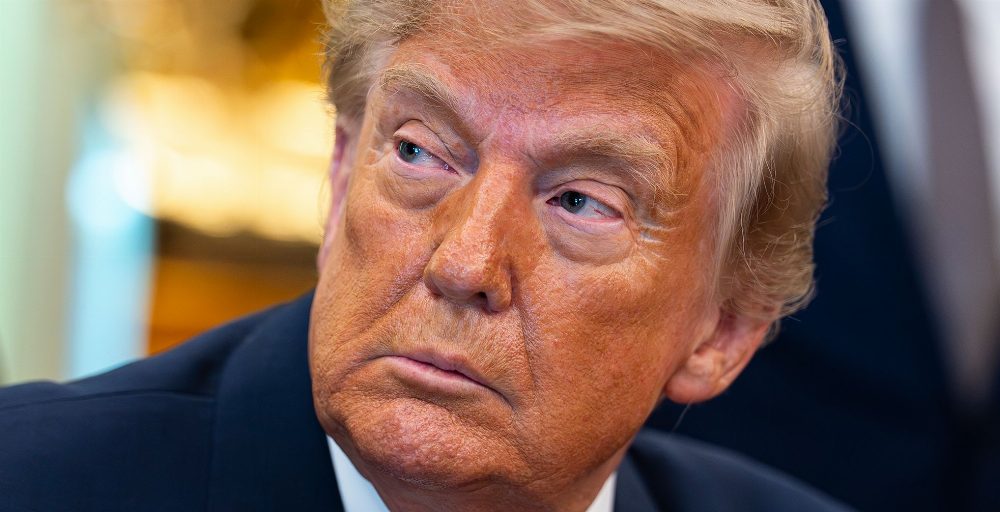
Donald Trump's presidency has been a turbulent journey defined by his distinctive personality traits and a governing style often criticized as erratic. His approach to foreign affairs, characterized by a preference for personal loyalty and an obsession with his own image, has raised significant concerns about the stability of international relationships and the risks of conflict.
From his interactions with foreign leaders to his handling of military affairs, Trump's behavior has been marked by a disregard for traditional diplomatic protocols. His affection for autocratic figures like Vladimir Putin contrasts sharply with his contentious relationships with allies such as Canada and the UK. This pattern reflects a transactional mindset, where the focus is on immediate gains over long-term alliances.
Psychologists have long speculated about Trump's emotional stability, with many suggesting he exhibits traits consistent with Narcissistic Personality Disorder (NPD). This diagnosis implies a fragile ego, leading to aggressive responses to criticism and a one-sided demand for loyalty from his subordinates. As the mid-term elections approach, Trump's strategy of centering the narrative around himself could potentially backfire, given his declining approval ratings.
Trump's foreign policy decisions have often been impulsive, driven by his personal experiences and a simplistic view of international relations as zero-sum games. This has been evident in his withdrawal from significant agreements, such as the Joint Comprehensive Plan of Action (JCPOA) with Iran, which had aimed to curb Tehran's nuclear ambitions through cooperative diplomacy. His administration's decision to abandon the JCPOA, coupled with aggressive posturing, has only heightened tensions in the Middle East.
Throughout his tenure, Trump's foreign policy has increasingly revolved around his self-image as a deal-maker, often prioritizing personal relationships over strategic considerations. His infamous love letters to North Korean leader Kim Jong-un exemplify this focus on personal rapport, which has yielded questionable results in terms of national security and global stability.
As Trump continues to project his personal brand onto U.S. foreign policy, the implications for international relations are profound. His administration's approach has not only alienated traditional allies but also emboldened adversaries, leading to a precarious global landscape fraught with potential conflicts. The future of American diplomacy under Trump's influence remains uncertain, with many observers fearing that his narcissistic tendencies will lead to increasingly dangerous waters both domestically and internationally.
Source: www.dailymaverick.co.za