Trump's Vaccine Rollback Sparks Controversy Amid Autism Research Delays
By Editor • August 17, 2026 • 3 min read
In a controversial move that has raised eyebrows among health experts, President Donald Trump has ordered a review of childhood vaccine recommendations, citing a connection between vaccinations and rising autism rates. This directive, issued on August 10, comes just weeks before the midterm elections, prompting concerns from political analysts and medical professionals alike.
Trump's sweeping demand for a reduction in vaccine recommendations has left many puzzled, especially since it does not explicitly mention autism. Larry Bucshon, a former Republican congressman and physician, highlighted the political risks involved, particularly for Republicans in swing districts who may be affected by anti-vaccine sentiments.
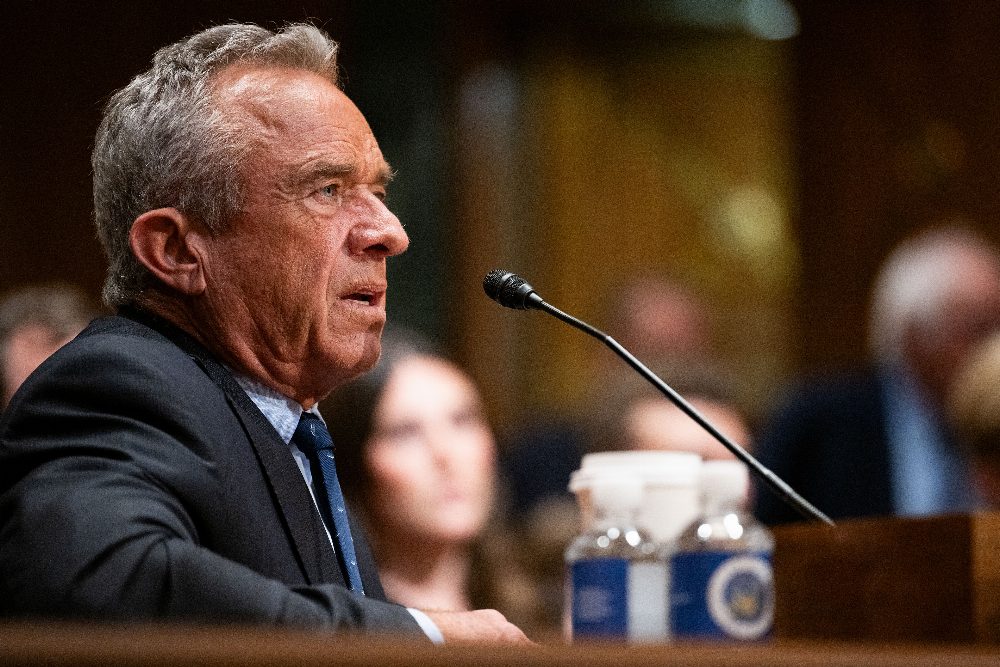
At the heart of this debate is Robert F. Kennedy Jr., the nation's health secretary, whose efforts to uncover the causes of rising autism diagnoses have stalled. Despite a multimillion-dollar research initiative, Kennedy has yet to provide substantial evidence linking vaccines to autism. Critics, including renowned psychologist Helen Tager-Flusberg, have described Kennedy's research as “the most closed project” they have encountered, likening it to a secretive Manhattan Project.
The White House has not clarified which vaccines Trump believes are implicated in autism, nor has it revealed the research informing his opinions. The Department of Health and Human Services (HHS) claims the president's directive builds on earlier reassessments of the vaccine schedule, yet no other countries have adopted the specific changes Trump is proposing.
Trump's fascination with identifying autism's roots has been evident for some time. He expressed optimism in August, stating that a significant breakthrough was on the horizon thanks to Kennedy's assurances. However, decades of research consistently point to genetics and environmental factors as primary contributors to autism, a reality that Kennedy has dismissed in favor of a narrative that frames autism as a “preventable disease.”
Despite the lack of transparent communication about his research, Kennedy continues to allocate substantial taxpayer funds towards investigation without consulting prominent autism advocacy groups or career scientists. Delancy Allred, public policy manager at the Autism Society, noted that Kennedy has largely isolated himself from outside input, preferring to collaborate with allies who share his skepticism towards vaccines.
The recently reconstituted Interagency Autism Coordinating Committee, now filled with Kennedy’s appointees, has only convened once during Trump's administration. Its latest 336-page strategic plan indicates a shift in focus from genetic causes to other hypotheses, echoing Kennedy's views.
Statistics reveal that autism diagnoses have increased significantly, attributed to improved awareness and broader definitions. However, the notion that this rise is exclusively an American phenomenon is misleading, as global trends show similar patterns. In light of this, Trump’s public insistence on a direct vaccine-autism link remains unsubstantiated.
In recent Cabinet meetings, Trump has pressed Kennedy for answers, emphasizing the urgency of the research. Yet, Kennedy has failed to deliver conclusive findings, prompting ongoing frustration from the president. The internal dynamics of the White House have complicated Kennedy’s vaccine agenda, particularly amidst rising measles cases.
Trump's August 10 executive order underscores the administration's commitment to Kennedy's vaccine agenda, coinciding with a strategic political moment as the Senate entered recess. However, many of Kennedy's claims regarding vaccine links to autism have been contradicted by scientific evidence, raising doubts about the viability of his initiatives.
Source: kffhealthnews.org