University of Michigan to Implement Grade Concealment for Freshmen
By Editor • August 27, 2026 • 3 min read
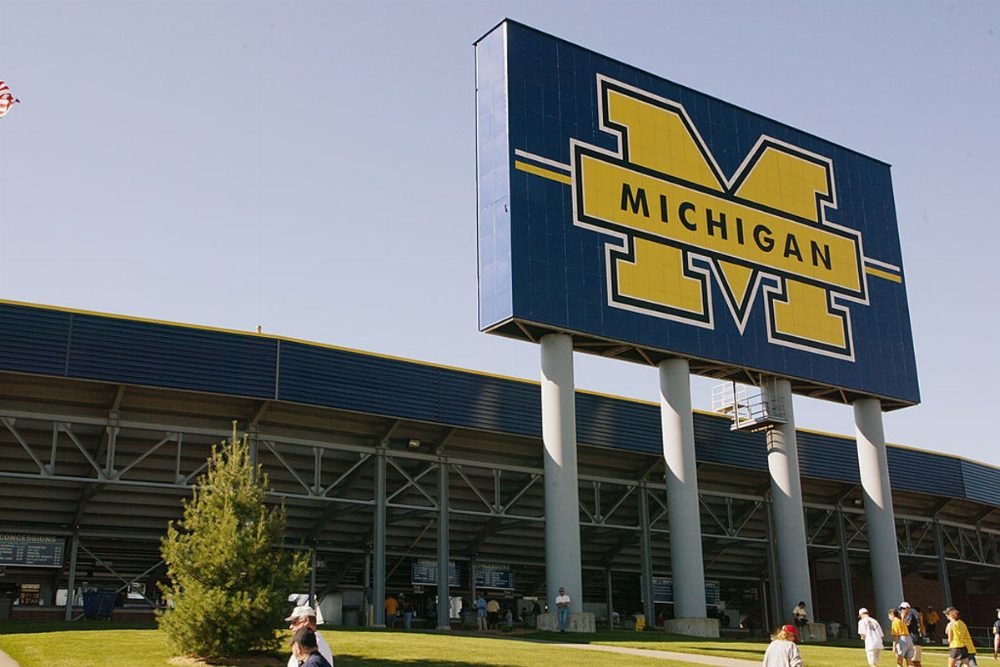
The University of Michigan is stirring discussions with its novel strategy to keep letter grades off the transcripts of incoming freshmen, a pilot program that aims to launch in fall 2027. The initiative, primarily targeting first-year students in the College of Literature, Science and the Arts, seeks to provide a supportive environment as they transition to college life.
Tim McKay, the associate dean for undergraduate education at LSA, emphasized that the program's goals are twofold: to encourage academic exploration and to enhance student mental health. "We need to give them a space to get used to the reality that we’re going to be asking them to do very difficult things," McKay stated, advocating for a gradual acclimatization to the academic rigors of university life.
While students will still be aware of their individual grades, they will be labeled as “pass” or “no credit” instead of receiving traditional letter grades. This has led to mixed reactions among the student body. Many express optimism about the reduced pressure during their first semester but remain uncertain about the implications for future academic and professional pursuits.
Adriana Yost, a sophomore, supports the initiative, noting that it offers a safety net for students to experiment academically without the fear of long-term consequences. However, concerns linger about how this grading system might affect applications for internships or graduate programs. Connor Olsen, a junior, articulated this worry, suggesting that while easing the initial stress is beneficial, students will eventually need to confront the realities of graded assessments.
Critics have emerged nationally, labeling the initiative as a form of coddling, a sentiment echoed in a Wall Street Journal op-ed titled "Coddle U." McKay has dismissed these claims, asserting that the program is designed to help students thrive rather than shield them from reality. He pointed out that the program does not eliminate grades entirely; it simply delays their impact during a critical adjustment period.
As the university refines the specifics of the program, questions remain about whether students will have the option to include their first-semester grades on transcripts. McKay indicated that it is unlikely this will be permitted, emphasizing that the focus should be on the broader educational experience rather than a single semester's performance.
With approximately 5,000 new students expected in the fall of 2026, the program will be assessed based on two main criteria: the diversity of courses students select and their mental health outcomes. The latter aspect is critical as the university seeks to understand how to best support students throughout their college careers.
While some seniors recognize the potential benefits of a pass/fail system, there’s a fear that this might only delay the inevitable challenges students will face in later semesters. Sophia Xu, a microbiology and pre-med senior, expressed skepticism, suggesting that the approach could merely shift stress to the second semester when students will realize they must strive to maintain a good GPA.
Amidst these debates, educators like Thomas Guskey, a professor emeritus, have praised U-M's approach, arguing that it shifts the focus from grades to learning, which is crucial for student development. He highlighted that the university's impressive retention rate of 97% for first-year students indicates that the initiative is primarily driven by educational goals.
As the University of Michigan embarks on this bold experiment, the academic community will be watching closely to see if this innovative grading policy successfully fosters an environment conducive to both learning and mental well-being.
Source: www.independent.co.uk
#education #freshman policy #grades #mental health #University of Michigan