Vaccine Hesitancy Grows Amid Changing Federal Policies
By Editor • August 25, 2026 • 3 min read
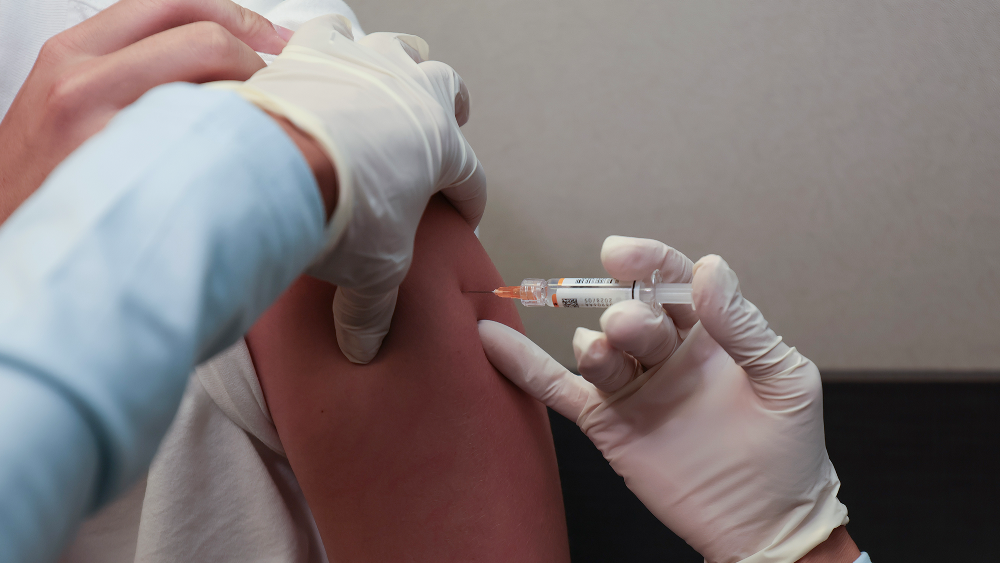
As the school year begins, American children are facing not just new classrooms and teachers, but also an increased risk of infectious diseases. This year, the situation is exacerbated by a significant rise in vaccine exemptions, as families grapple with evolving federal policies regarding vaccinations.
Earlier this month, President Trump signed an executive order aimed at reducing the schedule of recommended vaccines, impacting the protection against 17 diseases that vaccines currently provide. In a controversial move, he proposed separating the MMR vaccine into three individual shots for measles, mumps, and rubella, despite lacking scientific backing for such a change. This directive comes against a backdrop of rising vaccine-exemption rates, which hit an unprecedented 4.2 percent this year among kindergartners, according to new data from the CDC.
While the national exemption rate reflects only a slight increase from 3.6 percent the previous year, it masks alarming disparities across different states. For instance, West Virginia's kindergartners maintain an impressive vaccination rate of nearly 99 percent, while Idaho’s rate has plummeted to around 75 percent. The latter state now leads the nation with a staggering 17.5 percent exemption rate. Local pediatricians in Idaho, like Thomas Patterson, report a growing trend of families delaying or refusing vaccinations, often opting to leave practices that advocate for standard immunization schedules.
Despite this trend, national surveys reveal that a majority of Americans still believe in the efficacy of vaccines, with strong support for mandatory vaccinations in schools, particularly in Democratic areas. Pediatrician Jennifer Shu from Atlanta notes that her practice has seen an influx of concerned parents fearing that vaccines might soon be restricted. In response, a White House spokesperson contended that the administration's actions do not obstruct vaccine accessibility but instead encourage informed decision-making among parents and healthcare professionals.
The divide over vaccine confidence has notably widened, especially among Republicans. Pediatricians across the nation express concern that the current political climate, influenced by misinformation from health officials, has contributed to increased skepticism toward vaccinations. Elizabeth Hawse, a pediatrician in Kentucky, observes that patients frequently inquire about potential new restrictions on vaccines, reflecting a growing hesitation fueled by political discourse rather than scientific evidence.
In the face of this climate, pediatricians are adapting their approaches. Many are dedicating more time to discuss vaccine safety with hesitant families, sometimes spending hours in conversations to alleviate concerns. Some practitioners have even shared their own vaccination experiences to build rapport and trust. However, the challenge remains significant, particularly in rural areas where families may feel compelled to reject care over vaccination debates.
As vaccination rates fall and the U.S. faces its worst measles outbreak in 35 years, the urgency for effective vaccination strategies intensifies. Pennsylvania recently reported two measles-related fatalities among unvaccinated individuals, prompting some previously skeptical families to reconsider their stance on vaccines. Lisa Costello, a pediatrician in West Virginia, notes that many grandparents, having witnessed the devastating effects of diseases like polio, are vocal advocates for vaccinations.
States like West Virginia, which do not permit nonmedical exemptions, continue to demonstrate high vaccination rates, revealing that stringent state policies may be crucial in combating the rising tide of vaccine hesitancy. With the federal stance shifting, state requirements could prove to be a vital safeguard in maintaining public health.
Source: www.theatlantic.com
#exemptions #pediatricians #public health #Trump administration #vaccines