Waymo's Custom Chip: A Game Changer for Robotaxi Expansion
By Editor • August 23, 2026 • 2 min read
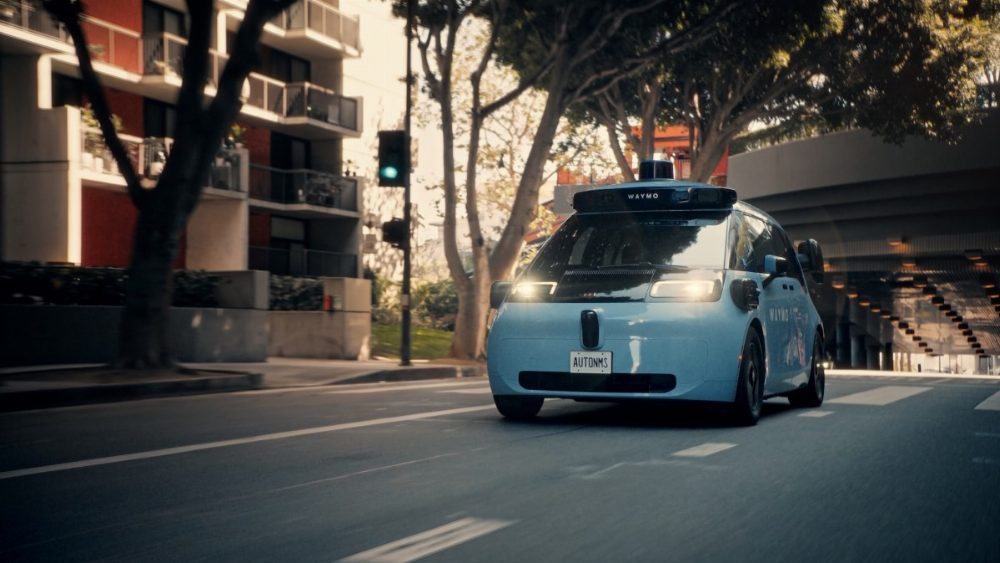
Waymo is making waves in the transportation sector with its rapid expansion of robotaxi services, recently opening its next-generation Ojai robotaxi to riders in key cities like Los Angeles, Phoenix, and San Francisco. This growth is driven by the company’s innovative sixth-generation self-driving system, which promises more efficient construction and operation, crucial for any future profitability.
A significant breakthrough in this area is Waymo’s development of a custom silicon chip, specifically a 5 nm ASIC chip. Designed to manage vast amounts of data from the vehicle's 13 high-fidelity cameras, this chip boasts over 1,000 TOPS (trillions of operations per second) of computing power. This level of performance is comparable to Nvidia's latest automotive processor, indicating a major leap in autonomous driving technology.
Waymo claims the efficiency and performance of this chip are unmatched, positioning the system to navigate complex urban environments safely and swiftly. Notably, Waymo is not alone in this endeavor; it has partnered with industry giants like AMD, Micron, Nvidia, Samsung, and TSMC to enhance its computing capabilities.
Meanwhile, other news in the autonomous vehicle sector includes an investigation by the Idaho National Laboratory, which is assessing potential security risks associated with the widespread use of Chinese lidar sensors in U.S. vehicles. Interestingly, the funding for this research is coming from a consortium of companies in the electric and autonomous vehicle industries, although major players like Rivian, General Motors, and Ford reported they were unaware of this initiative.
On a different note, Also, a startup that originated within Rivian, has successfully raised $150 million in a Series D funding round led by Prysm Capital. Initially focused on micromobility solutions like electric bikes, Also has shifted its focus to developing advanced autonomous small electric vehicles. This evolution was underscored by a previous $200 million funding round and a partnership with DoorDash to create autonomous delivery vehicles.
In the realm of delivery robotics, Serve Robotics has secured partnerships with Grubhub and expanded its collaboration with DoorDash, despite Uber's decision to scale back its involvement with the company. This pivot highlights the necessity for diversification in scaling operations.
In international developments, Einride has entered an agreement with Tesla to purchase 500 electric Semis, with plans to integrate them into its fleet over the next two years. Additionally, Uber has begun a partnership with drone delivery company Zipline, with an ambitious goal of achieving one million daily drone deliveries by 2029.
As for Tesla, it continues to face challenges, recalling millions of vehicles in China due to a safety issue regarding emergency door releases. This recall affects not only Tesla but also other major manufacturers like Xiaomi and Geely.
Lastly, regulators in Nevada have granted permits to Tesla, Uber, and Waymo to operate commercial robotaxi services in Clark County. Together, these companies could deploy up to 8,000 robotaxis in the area, significantly impacting the local transportation landscape.
Source: techcrunch.com
#autonomous vehicles #electric vehicles #robotaxi #technology #Waymo