Zayed National Museum: A Fusion of Emirati Culture and Modern Design
By Editor • August 13, 2026 • 2 min read
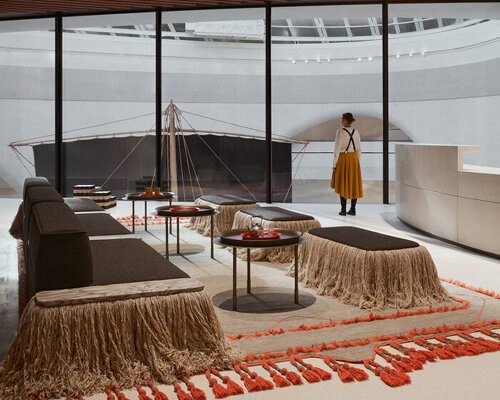
The Zayed National Museum in Abu Dhabi stands as a beacon of Emirati heritage, seamlessly blending tradition with contemporary design. Spearheaded by Agata Kurzela Studio, the interior design transforms various spaces within the museum, including public areas, VIP lounges, and research facilities, into an immersive cultural experience.
Located in the Saadiyat Cultural District, this institution is pivotal in showcasing the UAE’s cultural narrative. The studio's approach is not merely about creating exhibition spaces but about crafting environments that resonate with Emirati identity. By integrating bespoke furniture, artwork, and lighting created by local artisans, the museum's interiors reflect the rich tapestry of regional design.
At the heart of the design philosophy is a focus on cycles of time and material memory. For instance, the Majlis Al Shaheen draws inspiration from traditional Emirati hospitality rituals, using a color palette and textures that evoke the warmth of dates and coffee pots. The interconnected meeting spaces on the first floor are thoughtfully arranged around a central courtyard, embodying the Al Durour calendar’s seasonal rhythms through variations in color and texture.
The museum’s luminous atrium, Al Liwan, serves as a grand orientation space, featuring a modular seating system that enhances its architectural grandeur. The interiors of the majlis areas are distinct, with Majlis Al Hurr 1 reflecting the winter season's muted greens and embroidered motifs, while Majlis Al Hurr 2 captures the vibrancy of summer with brighter tones.
In the Research Library, the design takes on a more graphic approach, inspired by Bedouin tent construction, incorporating materials like burnished bronze and solid timber. This space overlooks the Magan Boat, enhancing the sensory experience of the library with its unique material language.
Collaboration with local artisans is at the core of this project, with each piece carefully crafted to meet specific technical needs while retaining the essence of traditional craftsmanship. Contributions from regional designers have resulted in unique furnishings, including modular benches and stone-embedded sofas, while commissioned artworks add further depth to the museum’s aesthetic.
Source: www.designboom.com
#Agata Kurzela Studio #Cultural Heritage #Emirati Design #interior design #Zayed National Museum