WNBA Draft Controversy: Former NBA Players Challenge Gender Norms
By Editor • August 16, 2026 • 2 min read
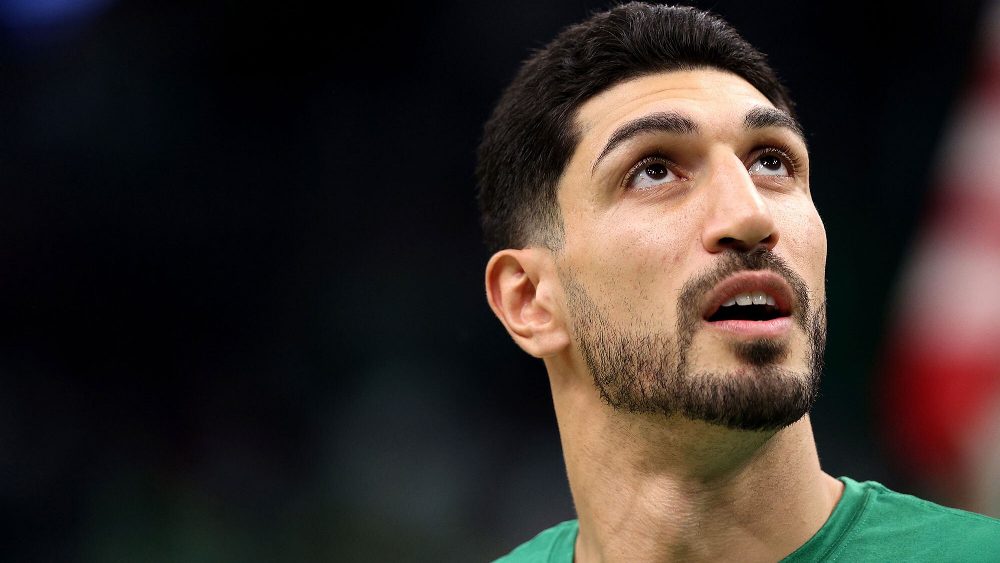
The WNBA is facing a significant controversy as two former NBA players, Enes Kanter Freedom and Royce White, have publicly expressed their desire to enter the women’s basketball draft. Their intentions have sparked a heated debate over gender identity and eligibility in women's sports.
Freedom, 34, known for his towering height of 6 feet 10 inches and weighing 250 pounds, wrote to WNBA Commissioner Cathy Engelbert on August 6, stating his intention to register for the women's draft. He argued on social media that he is merely seeking equal application of rules, asserting that he has adopted a female identity. In a recent interview, he provocatively suggested a scenario where he could dunk alongside Caitlin Clark of the Indiana Fever, questioning the fairness of the current eligibility criteria.
This situation has unfolded against the backdrop of Sophie Cunningham's comments, a WNBA player who expressed concerns about biological males competing in women’s sports, raising issues of safety and fairness for young female athletes. Cunningham's remarks have led to backlash, including the mocking of her as "MAGA Barbie," while the players' union has condemned any hate directed toward transgender individuals.
Currently, the WNBA’s collective-bargaining agreement permits entry only to “players who are women,” but it does not clarify what constitutes a woman. The league has dismissed Freedom and White's applications, asserting that there are no eligibility issues at present and decrying their actions as attempts to undermine the integrity of women's sports.
Despite the trolling nature of their applications, the broader implications of their bids cannot be ignored. White, following Freedom, declared his intention to enter the draft as well, claiming a female identity for basketball purposes. Previously an NBA player, White has since become a conservative activist with a controversial history, including recent allegations of threats against his ex-wife.
The WNBA's handling of this situation reflects a growing tension in sports regarding the participation of transgender athletes. The league's past support for transgender athletes, such as Andraya Yearwood and Terry Miller, contrasts sharply with its current stance on Freedom and White. This contradiction highlights the complexities of navigating identity and competition in a rapidly evolving societal landscape.
Prominent commentators have weighed in on the issue, with some suggesting that Freedom and White should undergo medical transitions to substantiate their claims of female identity. This has sparked further dialogue about the criteria for gender identity in sports, with many advocating that self-identification should suffice without the need for medical intervention.
As the WNBA continues to grow in visibility and profile, the league faces the challenge of addressing these complex gender issues while maintaining its commitment to inclusivity. The broader question remains: how can sports fairly accommodate the increasing number of trans and nonbinary athletes without compromising the integrity of women's categories?
Source: www.theatlantic.com
#Enes Kanter Freedom #gender identity #Royce White #WNBA #women's sports