Treasury's New Rule: A Windfall for Financial Miscreants
By Editor • August 16, 2026 • 2 min read
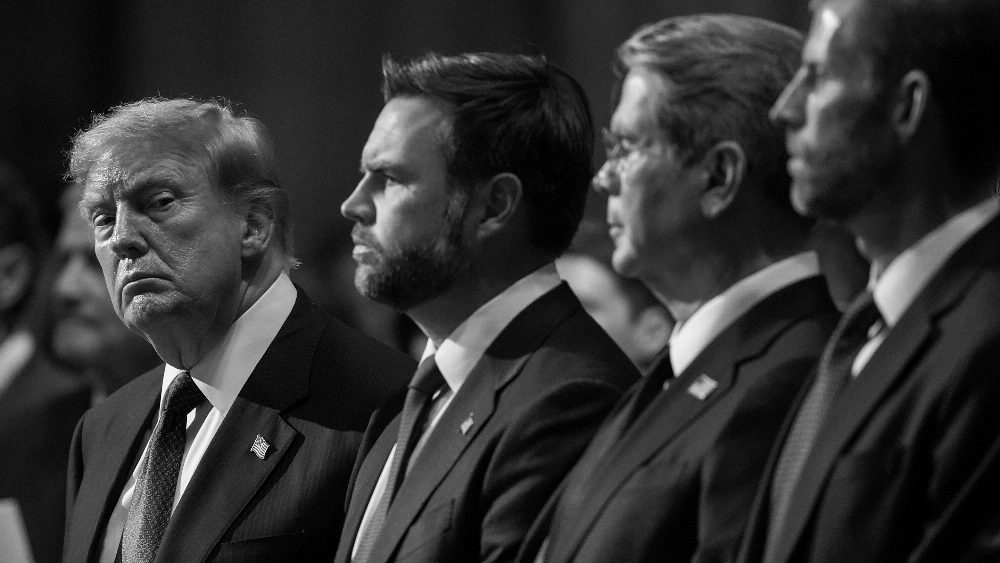
The recent decision by the Department of the Treasury to eliminate ownership-reporting requirements for U.S. businesses has raised serious concerns about the implications for financial crime. While the administration frames this move as a step towards deregulation aimed at easing burdens for business owners, the reality is that it significantly aids those looking to exploit the financial system for illicit purposes.
This change allows financial wrongdoers to operate with increased anonymity and less oversight, making it easier to launder money within U.S. banks. In contrast, legitimate financial institutions are now tasked with greater responsibilities to verify customer identities themselves, a burden that may put them at risk of non-compliance.
Historically, after the 9/11 attacks, Congress enacted measures to prevent criminals from using U.S. financial systems undetected. These included stringent “know your customer” laws that mandated basic information from all businesses. However, with the Treasury’s recent deregulation, the number of businesses required to disclose their ownership information has plummeted from approximately 32.6 million to just 11,667.
Experts like Aaron Klein from the Brookings Institution argue that this decision effectively eliminates a crucial tool for tracing financial crimes. Previously, financial institutions could access a government database to help identify suspicious activities. Now, that resource has been stripped away, leaving banks to rely on potentially flawed customer information.
While the Treasury claims that this deregulation is a victory for small businesses, the actual relief provided is minimal. Honest business owners still face the same reporting obligations when they engage with financial institutions. The supposed easing of paperwork required for reporting ownership to the government is a negligible benefit when weighed against the increased risks posed by this new regulation.
Furthermore, the move appears to be a direct response to previous financial scrutiny faced by Trump-associated entities. In 2021, for instance, Capital One closed numerous accounts connected to the Trump Organization over concerns of anti-money-laundering violations. This new regulation might be seen as retaliation against those enforcing legal standards.
As the Trump administration continues to prioritize the interests of wealthy individuals and their criminal associates, the enforcement of laws against white-collar crime has severely declined. With reductions in the resources allocated to combat economic crimes, and a dismantling of relevant investigative teams within the Department of Justice, the landscape for financial accountability has never looked bleaker.
In a landscape where financial criminals find new avenues to evade detection, this latest move by the Treasury could be seen as yet another gift to those willing to exploit the system for personal gain, further underscoring the administration's controversial stance on crime and regulation.
Source: www.theatlantic.com
#deregulation #financial crime #money laundering #Treasury #Trump administration