WNBA Faces Tumultuous Waters Amidst Unprecedented Growth
By Editor • August 21, 2026 • 3 min read
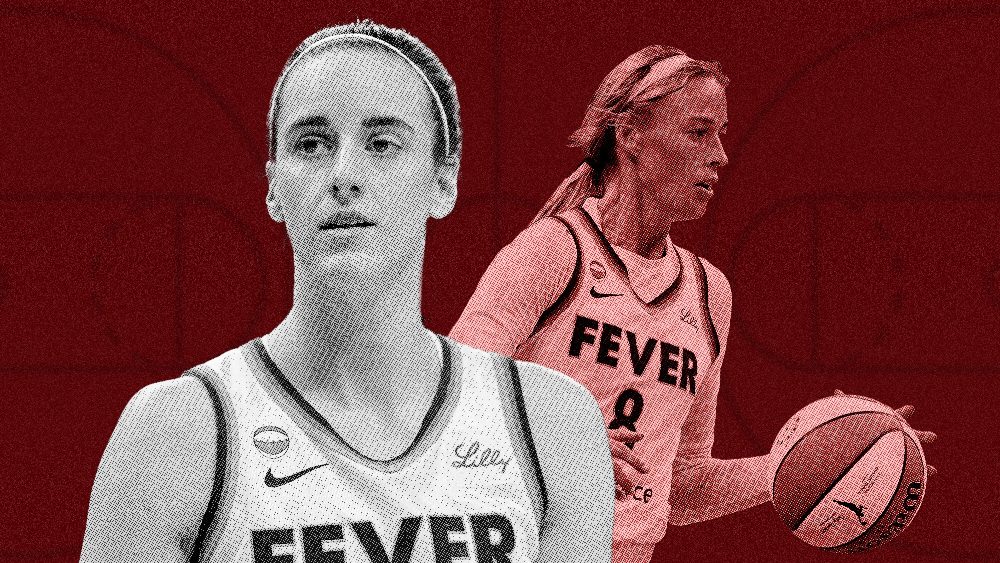
The WNBA is experiencing a remarkable surge in popularity, marked by a significant collective-bargaining agreement that has raised player salaries by an astonishing 400 percent. Franchise valuations have soared, highlighted by the Golden State Valkyries, valued at a staggering $850 million, while the league is set to expand with three new teams in Cleveland, Detroit, and Philadelphia by 2030. This season also saw a historic 44 percent increase in viewership for the All-Star Game, outpacing the NBA in fan attendance for the first time. However, this success is shadowed by a series of controversies that threaten to overshadow these achievements.
In early July, a group of 11 Republican lawmakers directed a pointed letter to WNBA Commissioner Cathy Engelbert, calling for an investigation into what they described as repeated incidents of violence on the court, particularly targeting Indiana Fever guard Caitlin Clark. The lawmakers hinted at possible racial motivations behind these acts, given Clark's status as one of the league's rising stars. These tensions were further exacerbated when Clark's teammate, Sophie Cunningham, sparked a nationwide conversation about gender and sports, after expressing her desire to protect female athletes from competing against biological males. This comment ignited rallies supporting Cunningham and led to the suspension of Seattle Storm co-owner Celeste Keaton for confronting fans who supported Cunningham during a game.
This tumultuous atmosphere has emerged as the league grapples with its newfound prominence and the accompanying scrutiny. While Cathy Engelbert has successfully steered the WNBA into a financially robust era, the current cultural climate presents a complex challenge. The league stands at a crossroads, balancing its responsibilities to protect players while navigating a growing wave of criticism. The WNBA's thriving success, which has drawn numerous critics, complicates efforts to maintain focus on the sport itself.
Media coverage has intensified, with Fox News dedicating over 200 segments to the WNBA since late June, primarily focusing on racial issues and the participation of transgender athletes. The league's upward trajectory began with Clark's entry in 2024, propelling it into the spotlight. However, her meteoric rise has made her a focal point for various political agendas, often utilized by conservatives seeking to amplify their narratives. Clark's reluctance to publicly express her political views has left her open to interpretation, and perceptions of her being unfairly targeted have led to significant backlash, including death threats against players like Alyssa Thomas, who faced suspension after a contentious play against Clark.
The WNBA's player demographics, with approximately 70 percent Black and 25 to 35 percent queer individuals, illustrate its progressive roots. Historically, players have voiced their support for social justice causes, making the league a target for political figures seeking to score points with their base. The current climate reveals a struggle for players to navigate their beliefs while under constant scrutiny. Rookie Olivia Miles highlighted this challenge, expressing that using the league as a platform for advocacy is increasingly fraught with complications.
Amidst this charged environment, Cunningham's political stance has garnered polarized attention. While she claims to hold moderate views, her alignment with conservative figures like Riley Gaines, who advocates against transgender athletes in women's sports, has drawn scrutiny. Cunningham defended her supporters, framing their activism as an exercise of free speech, but she faces backlash for not aligning with her teammate Clark's stance on the issue.
The WNBA's current landscape is characterized by unprecedented growth juxtaposed with cultural battles that echo broader societal conflicts. Recent events, such as the announcement from former NBA players Royce White and Enes Kanter Freedom seeking to identify as transgender to join the WNBA, highlight the ongoing discourse around gender identity in sports. With players and coaches increasingly questioned on their positions regarding these contentious topics, the league must tread carefully to maintain its hard-won progress while navigating these turbulent waters.
Source: www.theatlantic.com
#Caitlin Clark #Cathy Engelbert #gender issues #Sophie Cunningham #WNBA