Zuckerberg's Vision for AI Draws Skepticism from Global Experts
By Editor • August 20, 2026 • 2 min read
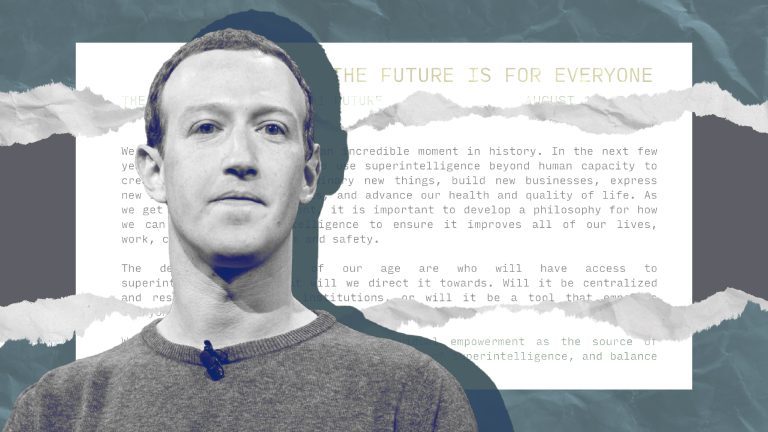
Mark Zuckerberg's recent manifesto, "The Future for Everyone," envisions a world where artificial intelligence (AI) serves as a tool for empowerment and equity. Published on August 10, the letter outlines his belief that broader access to AI across nations and industries is crucial for a positive future. However, experts in the AI field have raised significant doubts about the practicality and inclusivity of his vision.
Critics argue that Zuckerberg’s notion of "everyone" is fundamentally flawed. They point out that many marginalized communities, particularly in regions like Africa, are often left out of the digital conversation. For instance, Chinasa T. Okolo, founder of Technecultura, emphasized that while Meta promotes its data centers as economic boons, the reality is that their benefits are overstated. The majority of job opportunities arise during construction, with minimal long-term employment once the facilities are operational.
Furthermore, Okolo highlights troubling trends in countries such as Kenya, where infrastructure challenges have stalled projects like the Microsoft-backed geothermal data center. These setbacks underscore a broader issue: simply providing access to AI does not guarantee empowerment or economic upliftment for underserved populations.
Experts stress that without a concerted effort to address foundational issues—like reliable electricity, high-speed internet, and affordable devices—Zuckerberg's AI aspirations might exacerbate existing inequalities. They call for investments in local languages and systems, emphasizing that true inclusivity requires more than just technological advancements. As one commentator noted, "The promise of 'AI for everyone' risks overlooking a fundamental reality: Not everyone is online or digitally proficient."
Juan Ortiz-Freuler, co-founder of the Non-Aligned Technologies Movement, points out that Meta operates in a complex landscape where its motivations can conflict with the needs of diverse global communities. While Zuckerberg's letter aims to project transparency and cooperation, critics argue it also serves to reinforce U.S. influence through the tech giant's operations abroad.
The long-term success of AI depends on building trust, which extends beyond mere access to technology. Trust involves accountability, independent oversight, and a commitment to addressing the unique needs of various communities. As experts explain, participation in AI development must be meaningful, ensuring that people have agency and choice in how these technologies are utilized.
While Zuckerberg's vision speaks to an ideal of widespread AI benefits, skeptics highlight a persistent gap between rhetoric and reality. Many feel that Meta has historically failed to deliver on its promises, citing a pattern of exploitation and misinformation that runs contrary to the brand's stated mission of inclusivity. As one expert quipped, it’s laughable to expect genuine equity from a corporation that has often prioritized profit over the welfare of its users.
Source: restofworld.org