A Dark Quest for Gold in 'Wild Wild East'
By Editor • September 15, 2026 • 1 min read
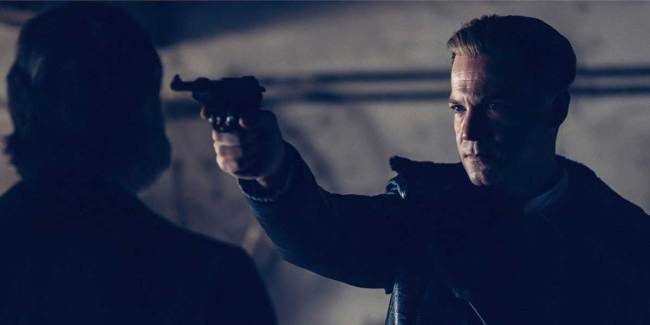
In Jan Holoubek’s unsettling film, "Wild Wild East," the grim realities of Nazi-occupied Poland are starkly portrayed against a backdrop of greed and despair. Set in early 1943, the narrative unfolds in the devastated village of Zalesie Małe, where Nazi clerk Martin Wolff, played by Itay Tiran, is tasked with uncovering the whereabouts of a lawyer rumored to possess a hidden stash of gold belonging to a Jewish family.
Wolff’s arrival in the village reveals a haunting landscape, stripped of its Jewish residents and left in the grip of despair. The cinematography by Bartek Kaczmarek captures the bleakness of the surroundings, with ashen buildings and overcast skies, intensifying the film's atmosphere of dread. Wolff embodies the chilling bureaucracy of evil, his interactions with the remaining villagers marked by an unnerving calm that belies the oppressive power he wields.
Conflict and Complicity
The villagers grapple not only with the presence of Wolff but also with the local SS officers, who view him as an unwelcome distraction. As tensions rise, the film delves into the complex dynamics of resistance. Various factions, including Polish, Jewish, and Ukrainian groups, emerge, each vying for the elusive gold, leading to a fragmented struggle against their common oppressor.
A Shift in Tone
As the plot unfolds, the film evolves into a more conventional thriller, culminating in a high-stakes confrontation reminiscent of classic westerns. This tonal shift, however, does not completely erase the film's initial moral ambiguity. In its closing moments, "Wild Wild East" returns to the sobering reality of its premise, reminding viewers of the tragic history that underpins the characters’ avarice and the futility of their actions against the larger backdrop of war.
Source: www.indiewire.com
#film review #Jan Holoubek #Nazi-era #Poland #Wild Wild East