Ancient Teeth Reveal 25,000-Year-Old Evidence of Betel Nut Use
By Editor • September 9, 2026 • 1 min read
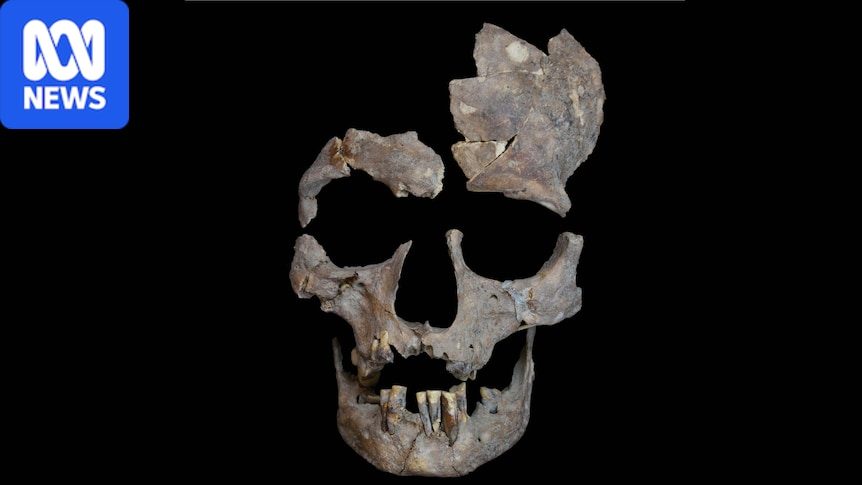
Archaeologists have made a groundbreaking discovery in Sulawesi, Indonesia, unearthing fossilized teeth that provide the oldest known evidence of human drug use, dating back up to 25,000 years. The findings suggest that ancient hunter-gatherers may have used betel nut, a psychoactive substance, potentially as a painkiller.
The analysis of two fossilized remains revealed distinctive grooves on the teeth, indicating a habitual practice of sucking on betel nuts. Adam Brumm, the lead researcher from Griffith University, noted that these marks were likely created by the repeated action of sucking on the nut, similar to using a gobstopper. This ancient practice predates the arrival of agriculture in the region, showcasing a long history of psychoactive substance use.
Insights from Fossil Analysis
The fossils belonged to individuals over 35 years of age, with one specimen estimated to be between 16,000 and 25,000 years old, making it a significant find in the study of human behavior. The researchers utilized a combination of archaeological evidence and modern experiments to support their hypothesis about the use of betel nut. They found traces of arecoline, the primary psychoactive compound in betel nut, on the fossilized teeth, confirming its use.
The Vicious Cycle of Pain Relief
Brumm theorized that the numbing effect of betel nut might have created a vicious cycle for users: the more they sought pain relief, the more they damaged their teeth, leading to further dependence on the nut. This cycle echoes in modern-day betel nut use, which is known to have various negative health effects, including an increased risk of oral cancer. The research not only sheds light on the practices of ancient humans but also highlights a longstanding relationship between humans and psychoactive substances.
Source: www.abc.net.au
#ancient history #archaeology #betel nut #drug use #Sulawesi