Controversial Tribute at Belgrade Match Raises Concerns Over Nationalism and Hate Speech
By Editor • September 7, 2026 • 2 min read
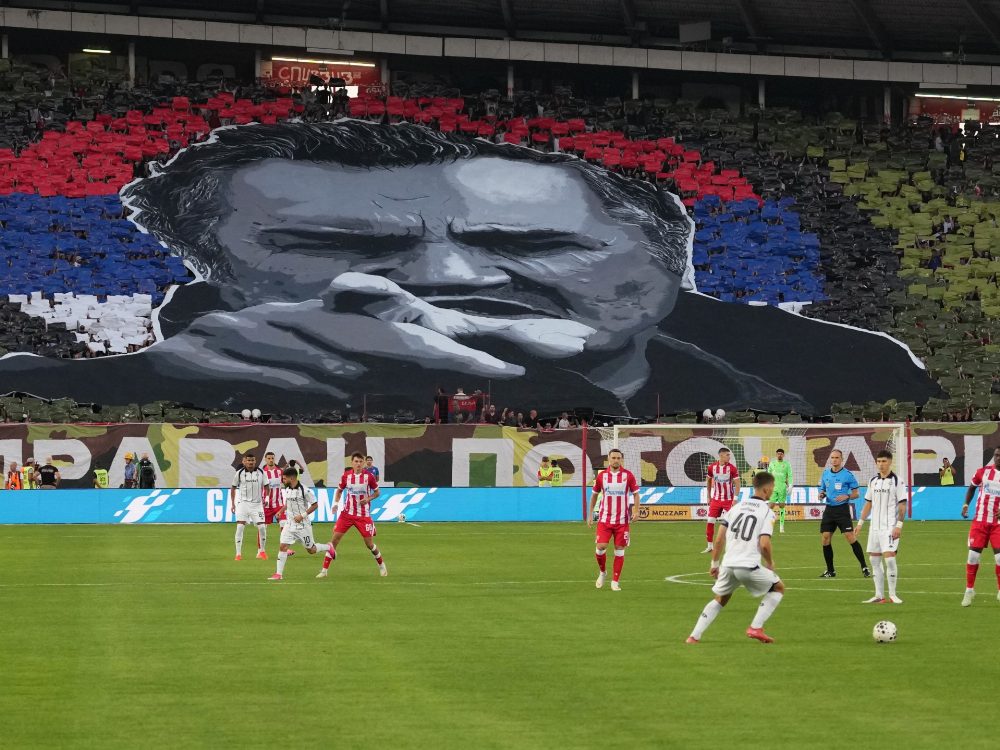
The recent football match between Red Star Belgrade and city rivals Partizan has ignited a firestorm of controversy, following the supporters' open homage to Ratko Mladic, the former Bosnian Serb general convicted of genocide. During the game, fans displayed banners and observed a minute of silence in memory of Mladic, who passed away while serving a life sentence for his war crimes.
The slogan 'Pravac Potocari'—translated as 'Direction Potocari'—echoed Mladic's infamous orders during the Srebrenica massacre in July 1995. This brazen tribute comes on the heels of UEFA imposing fines of €98,250 ($114,100) on Red Star for previous displays honoring Mladic, including a provocative banner that read 'General, eternal glory and thanks' during a Europa League playoff earlier this season.
Fan Culture and Political Connections
Critics, including Slobodan Georgiev, a Serbian news director, see this growing adoration for Mladic as a troubling trend that goes beyond mere football fandom. He argues that glorifying a convicted war criminal through formal tributes signals a disturbing shift in societal norms. “The worst messages have always traveled through the terraces,” he stated, emphasizing the historical role of sports venues in political expression.
On the other side, Partizan fans were also seen paying tribute to Mladic just days prior, further blurring the lines between sports and nationalistic fervor. Analysts like Sasa Djordevic warn that such displays could become normalized, eroding public sensitivity to hate speech and violence. “When such behavior starts to feel normal, it may be the clearest indication that the issue has become deeply ingrained,” he cautioned.
The Broader Implications
Stadiums have evolved into platforms for expressing sentiments that may be deemed unacceptable in public discourse, according to Ivana Jeremic, an editor at Balkan Insight. The intertwining of football, nationalism, and politics, particularly in Serbia, has historical roots dating back to the Yugoslav wars. Jeremic argues that the political connections between fan groups and authorities are widely recognized and often tolerated.
As the Serbian government prepared to transport Mladic's body back to Belgrade for burial with military honors, it became clear that the legacy of his actions still resonates within certain sectors of society. The recent events at the Marakana stadium serve as a stark reminder of the complex relationship between sports, nationalism, and historical memory in the region.
Source: www.aljazeera.com
#hate speech #nationalism #Partizan #Ratko Mladic #Red Star Belgrade #UEFA