Daisy Chain Festival: A Celebration of Girlish Revolution
By Editor • September 1, 2026 • 3 min read
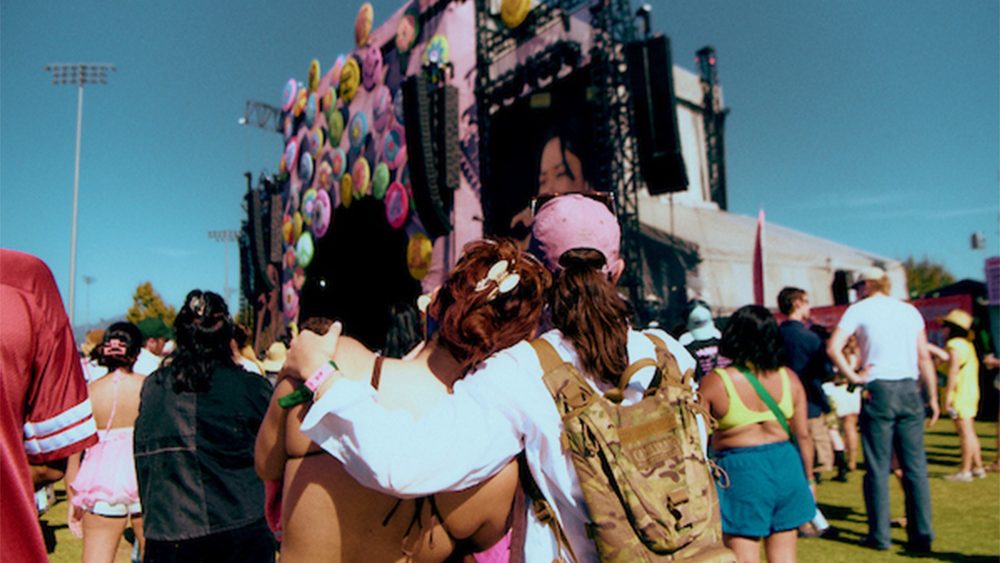
On a sweltering Saturday afternoon in Irvine, California, the inaugural Daisy Chain festival emerged as a vibrant celebration of female artistry, blending playful aesthetics with political activism. Organized by pop sensation Olivia Rodrigo, this event featured a lineup exclusively comprised of women, echoing the spirit of the historic Lilith Fair while carving out its own unique identity.
Among the performers, 25-year-old Eli captivated the audience in a whimsical tank top adorned with a cartoon guitar. As she sang catchy tunes reminiscent of early 2000s Disney hits, Eli articulated a bold message about social justice, urging her followers to 'redistribute wealth' and foster unity among diverse communities. Her campy flair and earnest rallying cry set the tone for a festival that embraced girlishness while advocating for revolution.
With a staggering $20 million raised—half of which came from Melinda French Gates—Daisy Chain supported numerous women’s rights organizations, including Planned Parenthood and the National Domestic Workers Alliance. Despite the oppressive heat, the festival felt like a jubilant declaration of a new generation of artists who are increasingly unafraid to intertwine personal narratives with collective action.
Rodrigo took inspiration from Lilith Fair, which ran from 1997 to 1999, but where Lilith focused on showcasing the viability of female musicians in a male-dominated industry, Daisy Chain embodies a celebration of a new musical archetype: the 'girlie.' This term, which implies a playful embrace of femininity, has become emblematic of contemporary artists who oscillate between self-empowerment and kitsch. Unlike the earnest singer-songwriters of the past, today’s female artists, including Rodrigo and her contemporaries, navigate a landscape where they can confidently embrace both their playful and serious sides.
The festival site at Irvine’s Great Park transformed into a whimsical wonderland, dotted with floral decorations and colorful displays. Young festival-goers dressed in tiaras and vibrant outfits blended elements of frilly styles and alternative fashion, creating an atmosphere that felt like a fairy-tale dreamscape. Yet, the lack of shade amidst the summer heat raised questions about how the aesthetics of daintiness matched the practical needs of attendees.
As the festival unfolded, it invoked a broader conversation about the evolution of female artistry over the decades. While Lilith Fair's co-founder Sarah McLachlan aimed to prove the worth of serious female musicians at a time when they were often sidelined, the current music scene has embraced a more playful approach. The 'girlies' of today are unafraid to explore themes of sexuality and empowerment while still embodying a sense of fun.
Despite their cultural prominence, today’s young stars have often opted for personal storytelling over overt political commentary in their music. While Rodrigo and her peers are vocal about social issues on social media, their songs frequently explore themes of relationships and personal experiences. This shift may reflect their upbringing in a digital age, where personal expression often takes precedence over collective activism.
Daisy Chain also posed questions about the true impact of cultural visibility in addressing social issues. With lines snaking through art installations and brand activations, the festival felt like a reimagined version of larger commercial festivals like Coachella, raising concerns about the commodification of activism. Although Rodrigo aims to merge fun with purpose, the festival's corporate ties suggest a complex relationship between consumerism and genuine social change.
In an effort to bridge the gap between celebration and activism, Daisy Chain featured nonprofit organizations advocating for women's rights, with representatives addressing the audience before performances. The festival’s playful design elements, like the whimsical buttons promoting causes, served as a reminder of the ongoing fight for reproductive rights in a post-Dobbs America.
Rodrigo is also venturing into more explicit protest music, releasing her post-punk single 'Serena Joy,' which hints at societal issues without directly naming them. As she challenges fans to awaken and take action, the potential for Daisy Chain to inspire meaningful change remains to be seen. Amidst the festival's playful energy, the undercurrents of political commitment and the desire for change resonate, leaving a lasting impact on all who attended.
Source: www.theatlantic.com
#Daisy Chain #female artists #music festival #Olivia Rodrigo #women's rights