Decoding AI: Essential Terms for Navigating a Rapidly Evolving Landscape
By Editor • September 7, 2026 • 2 min read
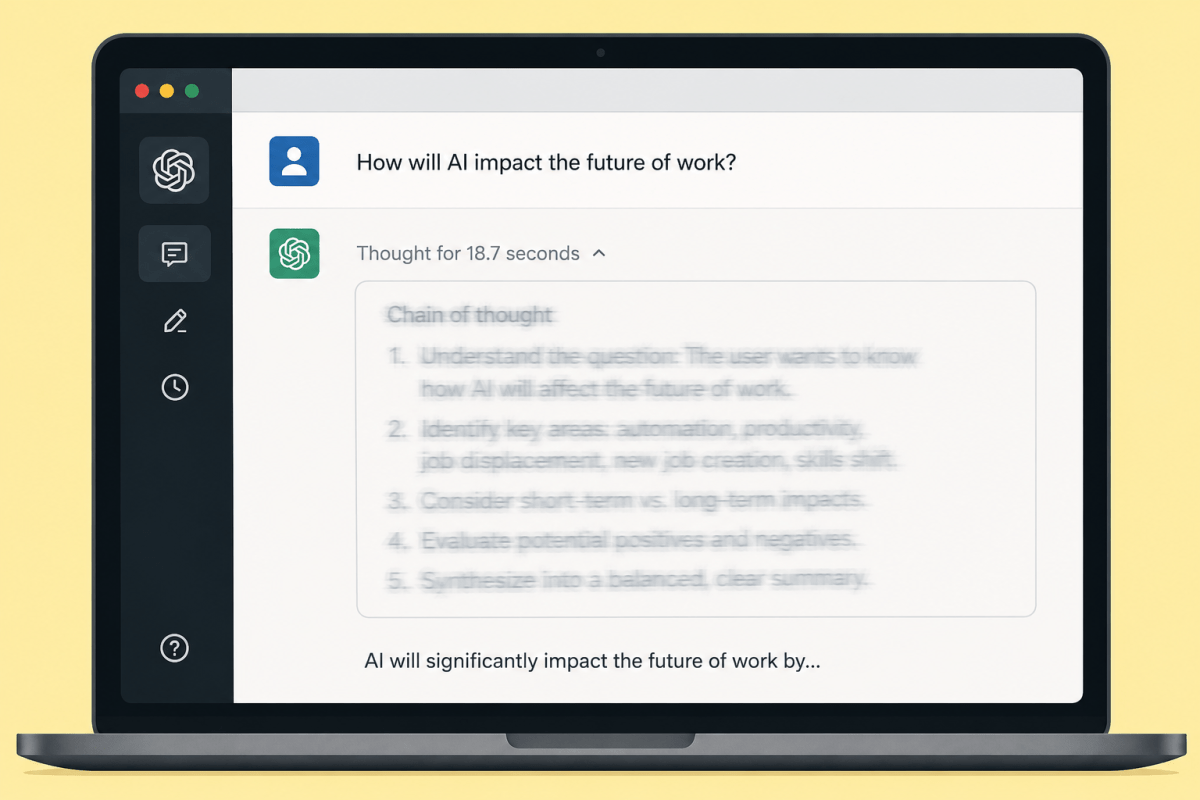
The artificial intelligence landscape is rapidly evolving, introducing a slew of new terminologies that can leave even seasoned professionals feeling bewildered. As companies like OpenAI and Anthropic continue to innovate, they are not only reshaping technology but are also creating a distinct vocabulary to describe their advancements. This article aims to demystify some of the most relevant AI terms that are becoming commonplace in industry discussions.
Understanding Key AI Concepts
One of the most discussed concepts is Artificial General Intelligence (AGI), which generally refers to AI systems that can perform a wide range of tasks at or above human capability. OpenAI’s Sam Altman describes AGI as akin to a median human co-worker, while Google DeepMind views it as an AI on par with humans in cognitive abilities. The definition of AGI, however, remains a topic of debate among experts.
Another critical term is the AI agent, which encompasses tools that leverage AI for executing complex tasks autonomously, such as managing expenses or writing code. Unlike basic chatbots, AI agents can perform multi-step functions, representing a significant leap in AI capabilities.
The Mechanics of AI Operations
To facilitate these advanced functions, developers rely on API endpoints, which act as hidden “buttons” that allow applications to communicate and perform tasks effortlessly. As AI agents become more sophisticated, they can autonomously utilize these endpoints, unlocking new avenues for automation.
Deep learning, a subset of machine learning, plays a crucial role in this evolving landscape, allowing AI models to learn complex correlations in data without needing explicit feature definitions from humans. However, these models require extensive data and time to train, often resulting in higher development costs.
Emerging Techniques in AI
Techniques like distillation and diffusion are also essential to understanding current AI advancements. Distillation involves training smaller models based on larger, more complex ones, optimizing performance while minimizing loss. On the other hand, diffusion refers to a process where data is gradually corrupted and then restored, a concept central to generative AI models.
As the AI field continues to grow, so does its terminology. Keeping abreast of these terms is vital for anyone involved in technology, whether as a developer, investor, or simply as a curious observer.
Source: techcrunch.com