Decoding Half-and-Half: The Creamy Dairy Delight
By Editor • September 9, 2026 • 1 min read
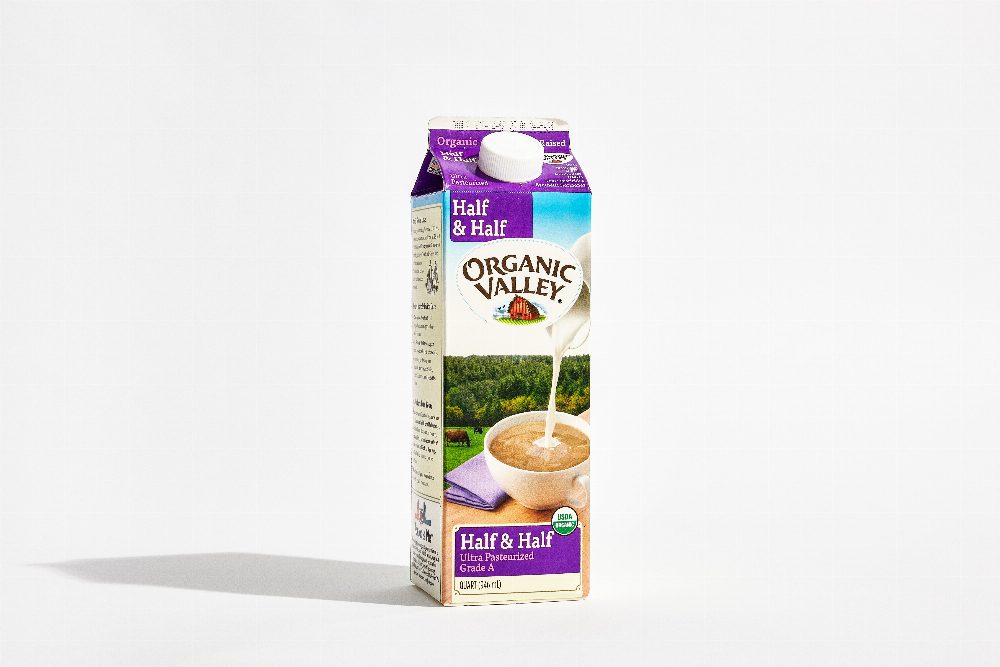
Half-and-half is a beloved staple in many kitchens, often found gracing coffee cups and elevating recipes. However, the creamy concoction isn't as straightforward as its name suggests.
The Composition of Half-and-Half
Despite its moniker, half-and-half is not simply a 50/50 blend of heavy cream and whole milk. By regulation, this dairy product must contain between 10.5% and 18% milkfat, with most store varieties hovering around 11.5%. In comparison, whole milk has a fat content of about 3.25%, while cream contains at least 36%. If you're looking for a closer homemade version, mixing two parts milk with one part cream achieves a fat content of roughly 14%, while three parts milk to one part cream yields about 11%.
Uses and Substitutions
Half-and-half is a versatile ingredient, enhancing everything from soups to desserts. When cooking, it can curdle if exposed to high heat or acidity, so it's advisable to temper it before adding to hot dishes. This dairy delight shines in creamy cauliflower soup, quiches, and even in custardy desserts like panna cotta.
If you find yourself without half-and-half, you can whip up a substitute by combining ¾ cup of whole milk with ¼ cup of heavy cream. While half-and-half can gracefully replace whole milk in savory dishes, it cannot be whipped like heavy cream. For those avoiding dairy, plant-based milk or canned evaporated milk can serve as suitable alternatives.
Storage Tips
To ensure freshness, half-and-half must be kept refrigerated. Generally, unopened cartons of ultra-pasteurized half-and-half boast a longer shelf life than their conventionally pasteurized counterparts. Once opened, some brands can last up to 10 days, and unused portions can even be frozen for up to two months. However, be prepared for a bit of separation upon thawing, and simply shake well before using.
Source: www.bonappetit.com