Escalation in West Asia: Iran Strikes Back After U.S. Attacks on Wedding Party
By Editor • September 2, 2026 • 2 min read
The ongoing conflict in West Asia has intensified as Iran retaliated against U.S. military actions that resulted in civilian casualties, including a tragic strike on a wedding party in southern Iran. Following these events, Iran's Revolutionary Guards launched drone attacks targeting U.S. allies in the Gulf region, including Kuwait and Bahrain.
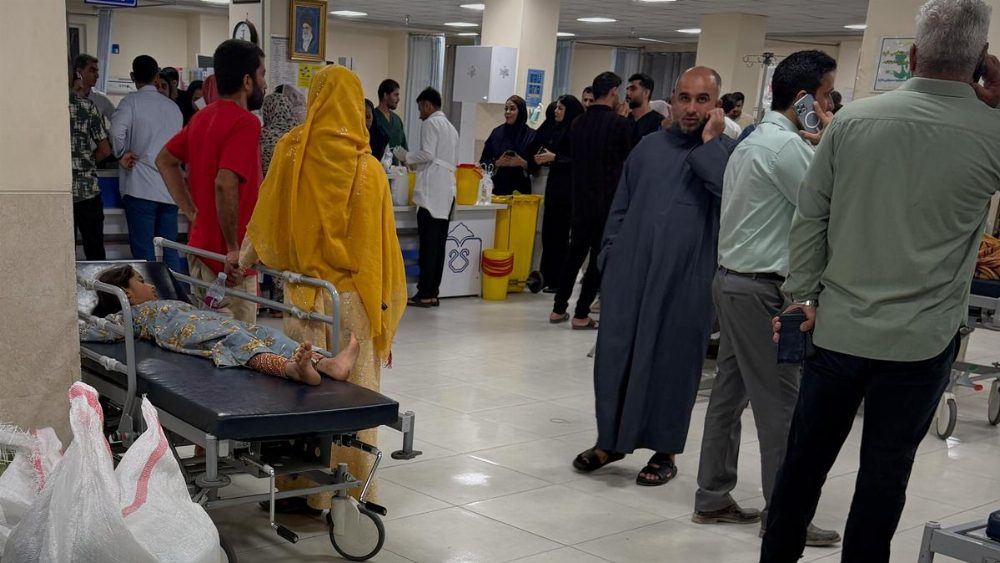
On September 2, 2026, Iranian officials asserted that U.S. airstrikes had killed at least 18 individuals, with the most devastating incident occurring at a wedding ceremony in Kuhestak, where five people lost their lives and many others were injured. Iran's government spokesperson, Fatemeh Mohajerani, condemned the U.S. for what she described as a crime against civilians.
In a show of defiance, Iran's Foreign Ministry labeled the attack on the wedding as a "war crime," with spokesperson Esmaeil Baqaei stating that it exemplified the brutality of the U.S. actions. Meanwhile, U.S. President Donald Trump had previously warned of "much harder and higher" responses should Iran retaliate against American forces.
Amid escalating hostilities, tensions have spread beyond Iran, affecting U.S. military bases in Jordan, the United Arab Emirates, and Iraq's Kurdistan, marking a significant uptick in violence across the region. Reports indicate that Iranian forces targeted U.S. troops following a series of American strikes that began on August 30, which were the first in weeks.
As the situation unfolds, Chinese President Xi Jinping has expressed willingness to collaborate with West Asian nations to ensure the safety of shipping routes, as the conflict disrupts maritime logistics in the strategically vital Strait of Hormuz. His comments came during discussions with Egyptian President Abdel Fattah al-Sisi, where he urged for development cooperation to mitigate conflict in the region.
The recent violence has also taken a toll on commercial shipping, with reports of attacks on vessels in the Strait of Hormuz, a critical maritime passage for oil and gas shipments. The Saudi national shipping company confirmed that two Filipino sailors were killed when a Saudi oil tanker was targeted earlier this week, further highlighting the risks faced by commercial vessels amid heightened tensions.
In the aftermath of the strikes, the Kuwaiti government reported a fire caused by an Iranian drone attack on a residential complex in its capital, though there were no casualties reported. This incident underscores the escalating threat to regional stability and security.
Market reactions have been swift, with stock indices in India experiencing significant declines as fears over oil supply disruptions grow. The BSE Sensex dropped over 788 points in early trading, while Brent crude oil prices surged by 0.8% to $95.40 per barrel due to concerns regarding the conflict's impact on oil supplies.
In conclusion, the cycle of retaliation between the U.S. and Iran continues to evolve, with both sides engaging in military actions that threaten not only their interests but also the safety of civilians and stability across the region. The international community watches closely as the situation develops, hoping for a resolution to the escalating conflict.
Source: www.thehindu.com
#Gulf allies #Iran #Strait of Hormuz #Trump #U.S. military #Wedding Attack