Exploring Gerda Taro's Legacy in 'The Girl With the Leica' at Venice
By Editor • September 2, 2026 • 2 min read
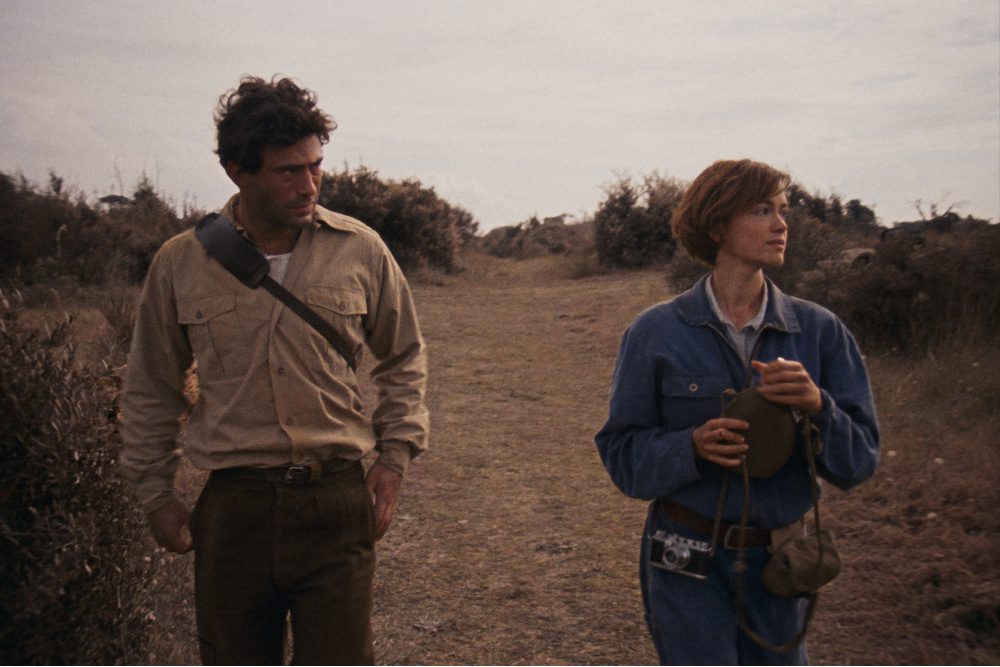
At just 26, Gerda Taro made history as the first female photojournalist to lose her life on the battlefield, and her remarkable story now takes center stage in Alina Marazzi's film, "The Girl With the Leica." Opening in the Horizons section of the Venice Film Festival, the film seeks to reclaim Taro’s legacy and vibrant spirit, which has often been overshadowed.
Marazzi's journey began with Helena Janeczek’s 2018 novel about Taro, which piqued her interest and led to discussions on adapting the narrative for the screen. Collaborating with Valia Santella on the screenplay, Marazzi made a significant shift by narrating Taro's story from her own perspective, contrasting with the book's approach of recounting her life through the eyes of friends reflecting in the 1960s.
The film unfolds on July 14, 1937—Bastille Day—depicting Taro in Paris as she prepares to cover the Spanish Civil War alongside her partner, fellow photojournalist Endrè Friedmann. Through a series of flashbacks, audiences witness Taro's journey from Gerta Pohorylle, a leftist activist fleeing the Nazis, to a passionate photographer deeply integrated into the cultural scene of 1930s Paris, surrounded by fellow émigrés.
In Paris, Taro and Friedmann create the persona of Robert Capa to promote their work in the U.S. market, yet much of her photography was later attributed solely to him, obscuring her influence. The film sheds light on her contributions while showcasing her vibrant social life, friendships, and romantic entanglements.
Marazzi emphasizes the duality of Taro's life; she was not just a fierce advocate for political change but also a young woman enjoying life’s pleasures. "She was a young, lively, pretty, seductive woman," Marazzi reflects. The film captures this spirit, presenting scenes of youthful exuberance amid the backdrop of hardship and war.
Drawing on the first biography of Taro by Irme Schaber, Marazzi intertwines elements of Taro's political activism against the rise of nationalism in Germany. The filmmaker hopes to reflect Taro's motivations for engaging in journalism during turbulent times, highlighting both her political commitment and her enjoyment of life.
To avoid the trappings of a traditional period piece, Marazzi opts for contemporary dialogue, allowing Taro's character to resonate with modern audiences. The film's visual storytelling, including celebratory fireworks and vibrant blooms, captures Taro’s essence, influenced by avant-garde cinema.
Marazzi sees echoes of Taro's time in today’s world, where journalists continue to face peril in conflicts reminiscent of the Spanish Civil War. "If Gerda was alive now, she would probably be traveling to one of those two places," she notes, underscoring the ongoing fight for democratic values.
Source: variety.com
#Alina Marazzi #Gerda Taro #photojournalism #Spanish Civil War #Venice Film Festival