Exploring the Northern Lights: Your Guide to Aurora Hunting After Solar Maximum
By Editor • September 9, 2026 • 2 min read
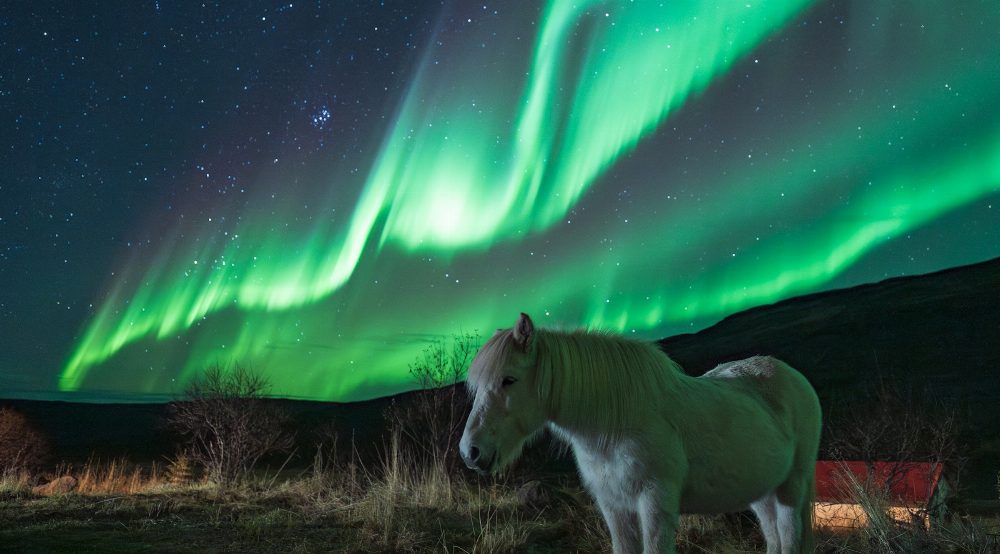
The thrill of chasing the northern lights is far from over, even as we enter a quieter phase in solar activity known as solar minimum. While the breathtaking displays may not be seen as frequently in lower latitudes, there are still ample opportunities for aurora enthusiasts to witness this natural spectacle.
As we transition from the spectacular solar maximum that brought vibrant auroras to regions as far south as Florida and Texas, experts assure that the auroras remain alive and well at higher latitudes. Vince Ledvina, an aurora chaser and doctoral student at the University of Alaska Fairbanks, emphasizes that the northern lights will still be visible, albeit less frequently in more southern locations. He notes that the solar wind, a crucial element for auroras, may actually become more reliable during this solar minimum phase.
Best Spots for Aurora Sightings
For dedicated aurora hunters, planning a trip to locations within the auroral oval is essential. The northern lights typically span a donut-shaped region around the geomagnetic poles. While southern Canada and parts of the U.S. may experience occasional visibility, the best chances lie in places like Fairbanks, Alaska, where visitors can observe the lights from urban areas or through specialized accommodations such as Borealis Basecamp.
Other notable destinations include Ilulissat, Greenland, where travelers can enjoy the lights from cozy igloos, and Yellowknife, Canada, known for its clear skies and local guides who provide valuable insights about the aurora's cultural significance. The Westfjords of Iceland also offer stunning views and unique experiences, particularly from spots like Heydalur guest house.
Timing Your Aurora Adventure
When planning your aurora trip, timing is crucial. The best months for visibility in high-latitude regions typically span from mid-August to April, avoiding the midnight sun of summer. Additionally, scheduling your trip around the equinoxes may increase your chances of witnessing geomagnetic activity, although this is not guaranteed.
For optimal exposure to the northern lights, experts recommend planning for multiple nights—ideally five or more. This approach maximizes the likelihood of clear skies and active geomagnetic conditions, ensuring that your quest for the aurora is met with success. As Ledvina suggests, the more nights you dedicate to this adventure, the greater your chances of experiencing the vivid, dynamic displays that the auroras are known for.
Source: www.outsideonline.com
#Aurora Borealis #Aurora Hunting #Northern Lights #Solar Minimum #travel