Flock Safety Faces Growing Backlash Amid Privacy Concerns
By Editor • September 1, 2026 • 2 min read
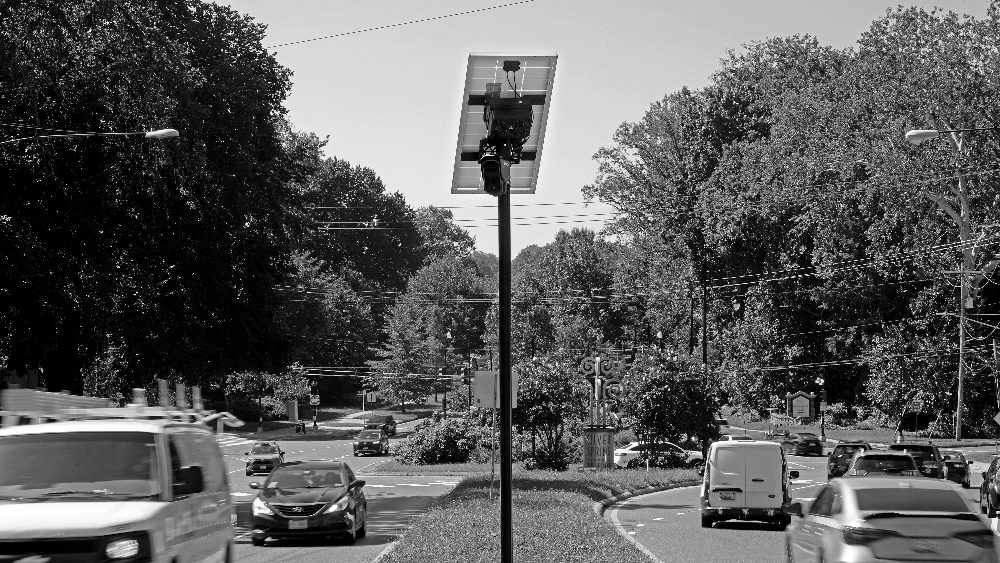
Flock Safety, a company known for its automated license-plate readers (ALPRs), is experiencing a significant backlash as communities grapple with privacy issues surrounding surveillance technology. Originally designed to aid law enforcement in tracking vehicles, the company’s systems have become a lightning rod for criticism.
For nearly a decade, Flock’s network of cameras has expanded, partnering with various police departments and government entities. However, recent months have seen an escalation in public outcry, prompting citizens to take action against the devices. Reports indicate that some individuals have resorted to extreme measures, such as vandalizing camera poles or obscuring lenses with paint and cardboard signs as protests against perceived overreach in surveillance.
The backlash is not confined to a single political ideology; critics span the spectrum, including well-known figures from both conservative and liberal media. This bipartisan discontent indicates a shared concern over the implications of data collection and monitoring on personal privacy.
The Florida Department of Transportation announced it would revoke permits for ALPRs on state roads, signaling an official response to the growing unease. Meanwhile, Texas Governor Greg Abbott has halted state funding for Flock, which has led to a staggering 169 contracts being canceled across the country this year, with 90 of those cancellations occurring last month alone.
The sudden surge in opposition raises questions about the timing of this backlash, especially as Flock has been operational for years. Critics highlight concerns about misuse of surveillance data, particularly instances where police officers have allegedly abused their access to stalk individuals. Flock has acknowledged such abuses as “unacceptable” and has implemented measures to tighten data access.
Despite these measures, many argue that the core issue remains—how to balance crime-fighting capabilities with privacy rights. Some commentators propose that better regulation could enhance the benefits of such technology without infringing on civil liberties. Yet, as noted by National Review’s Charles C. W. Cooke, while Flock’s effectiveness in crime reduction is acknowledged, the ethical implications of such surveillance in a free society are contentious.
The backdrop to this debate is the broader societal sentiment against corporate and technological encroachment into private lives. Economic anxieties, coupled with a growing distrust of large corporations, have fueled a national conversation about surveillance and artificial intelligence. Polls indicate that many Americans are wary of AI, reflecting a broader unease with the rapid advancement of technology without adequate oversight.
As the public expresses its frustrations through protests against Flock, it serves as a tangible focal point for broader concerns about privacy, surveillance, and corporate responsibility. This backlash is emblematic of a growing desire for accountability in an age where technology increasingly intersects with daily life.
Source: www.theatlantic.com