G20 Summit Ends in Disarray as China Rejects Key Economic Language
By Editor • September 2, 2026 • 1 min read
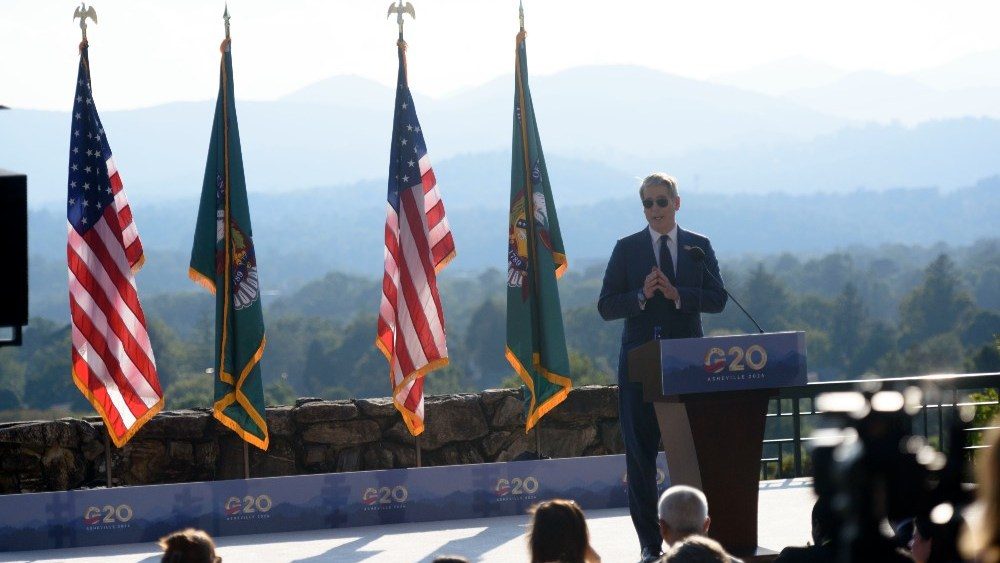
The G20 finance ministers' summit in Asheville, North Carolina, concluded without a collective statement, underscoring significant tensions, particularly with China. The lack of consensus arose from China's dismissal of claims regarding its export practices, which other nations argue contribute to global trade imbalances.
U.S. Treasury Secretary Scott Bessent highlighted the friction, stating, "It is clear that the country with the world’s largest and unsustainable current account surplus, People’s Republic of China, was the dissenter." He emphasized the unsustainability of non-market economies flooding markets with low-cost goods, a point that China vehemently contested.
Despite the absence of a unified communiqué, the Treasury released a high-level chair statement outlining shared goals among the ministers. China rejected specific language criticizing its industrial practices, which the U.S. Treasury claims lead to persistent external surpluses.
Amidst these discussions, China's global export volume surged to $1.2 trillion last year, marking a 20 percent increase from 2024, even as U.S.-China trade relations continue to plummet due to ongoing tariffs. China's Foreign Ministry spokesperson Guo Jiakun defended the nation’s approach, stating that China does not purposely seek a trade surplus and opposes unilateral tariffs.
The tensions could foreshadow a complicated meeting between President Donald Trump and Chinese President Xi Jinping, scheduled for late September. Trade and tariffs will be central to their discussions, which both leaders hope will reset their strained relationship. However, an imminent report from the U.S. Trade Representative investigating multiple nations, including China, for excess industrial capacity could complicate matters further.
Despite the week’s challenges, Trump remained optimistic about the upcoming discussions with Xi, suggesting that they have productive topics to address regarding the future of U.S.-China relations.
Source: wwd.com