Keffe D Convicted in Tupac Shakur Murder Case After Decades of Mystery
By Editor • September 1, 2026 • 2 min read
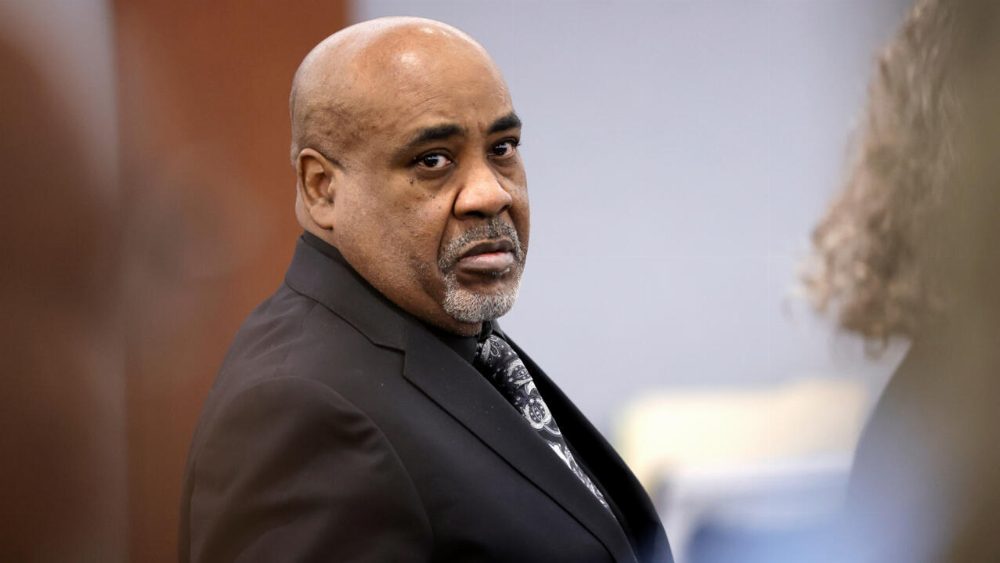
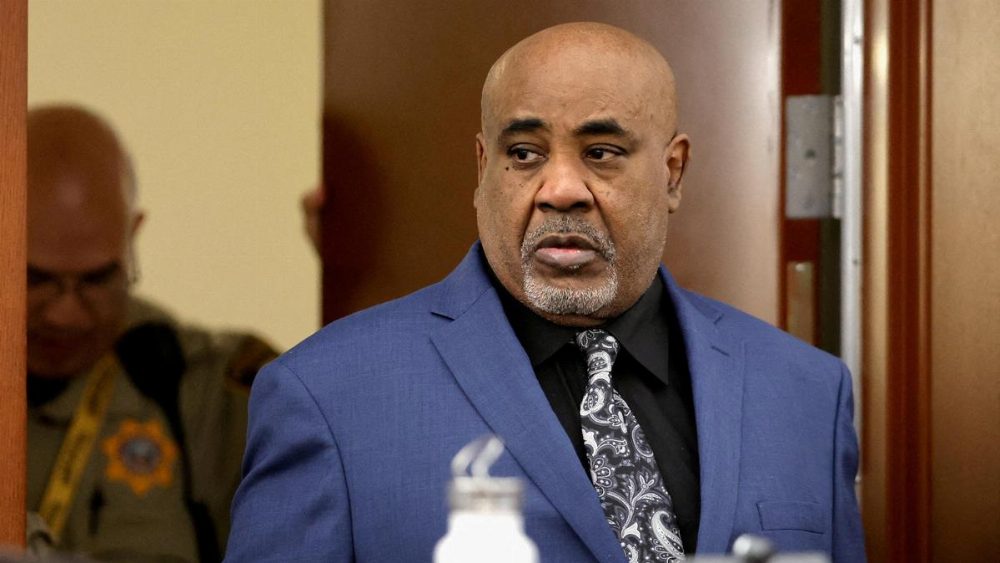
In a landmark ruling, Duane “Keffe D” Davis was convicted on Monday for his role in the 1996 murder of hip-hop legend Tupac Shakur, marking the first conviction in this longstanding mystery that has captivated fans and investigators alike. The 63-year-old Davis faces the possibility of a life sentence following a swift verdict delivered by a Las Vegas jury after less than three hours of deliberation.
Davis was found guilty of murder with a deadly weapon, a charge stemming from his involvement in the shooting that took place on September 7, 1996, as Shakur sat in his car at a red light. The jury heard testimony from 24 witnesses over nine days, culminating in a trial that underscored the enduring impact of the case within the hip-hop community.
During the trial, Chief Deputy District Attorney Binu Palal detailed how Davis allegedly sought revenge after Shakur and Death Row Records co-founder Marion “Suge” Knight allegedly assaulted his nephew earlier that evening. The prosecution argued that while Davis' statements about the incident changed over time, one thing remained clear: he was in the white Cadillac from which the shots were fired. Palal emphasized that the evidence did not require corroboration beyond Davis' own admissions.
Following the verdict, Shakur’s sister, Sekyiwa “Set” Shakur, expressed her relief and emotion in the courtroom, embracing prosecutors as Davis’ son sat in silence, covering his face. The trial concluded with the state deciding to drop gang enhancement charges due to logistical issues with witnesses.
Over the years, the case had remained unsolved until Davis began making public statements about his involvement, claiming he provided the gun used in the shooting. Prosecutors argued that Davis’ actions were premeditated, pointing to testimony that indicated a search for Shakur before the attack. Palal noted, “It’s a plan, not an impulse,” reinforcing the idea that this was a calculated act of violence.
In closing arguments, the prosecution also highlighted Davis’ own memoir, “Compton Street Legend,” which contains inconsistencies regarding the events of that night. Attorney Marc DiGiacomo provocatively remarked on Davis’ habit of collecting articles about Shakur, framing it as a disturbing fixation on the murder. The trial ultimately brought a pivotal chapter to a close in a case that has haunted law enforcement and intrigued fans of the genre for nearly three decades.
Source: www.france24.com