Metropolitan Museum Cancels John Galliano Exhibition Amid Controversy
By Editor • September 2, 2026 • 3 min read
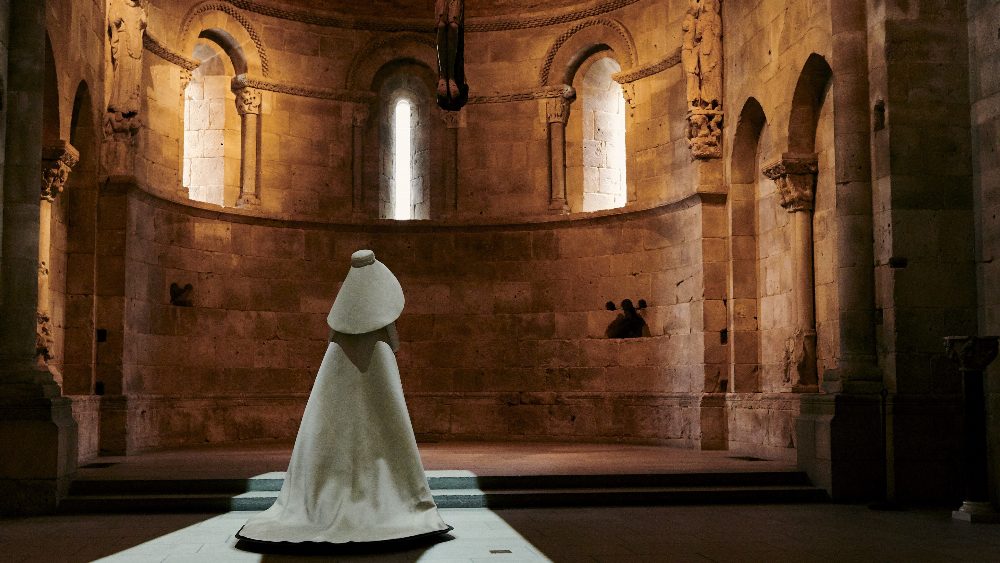
The Metropolitan Museum of Art (Met) has canceled its planned exhibition focused on designer John Galliano, a decision that underscores the ongoing debate surrounding the intersection of fashion, ethics, and public sentiment. The museum's Costume Institute had aimed to explore the complexities of Galliano's career, but rising public backlash led to the cancellation.
Galliano, known for his striking designs and tumultuous history, became a polarizing figure after a 2011 incident where he was filmed making anti-Semitic remarks while intoxicated. Following this, he was dismissed from his role as creative director at Dior and subsequently faced legal repercussions for his behavior. Although Galliano has since sought redemption through rehabilitation and a successful return to the fashion scene, his past continues to haunt him.
Despite efforts to address Galliano's controversial past, including consultations with Jewish leaders, public opinion remained critical. Prominent figures, including New York City Council's speaker, condemned the decision to spotlight Galliano, labeling it a serious misstep. Anna Wintour, Vogue's global editorial director and a close ally of Galliano, expressed that canceling the exhibition was ultimately the right choice.
This decision highlights a longstanding, unofficial guideline within the Costume Institute: avoiding solo exhibitions of living designers due to concerns over the potential blurring of art and commercialism. Historically, the Met has only dedicated shows to living designers sparingly, with notable exceptions such as Yves Saint Laurent in 1983 and Rei Kawakubo in 2017. These instances sparked debates about the appropriateness of celebrating designers who are still active in the industry.
The Met's attempt to curate a retrospective on Galliano was fraught with ethical dilemmas. Critics argue that such exhibitions can inadvertently serve as endorsements, providing the designer with publicity that may enhance their market value. As the fashion industry grapples with its past and present, it raises questions about the responsibilities of museums in balancing artistic integrity with commercial interests.
While fashion exhibitions have evolved significantly since the 19th century, where they primarily showcased historical dress, contemporary fashion has increasingly entered the museum space. The Met opened its Costume Institute in 1946 but only began featuring living designers in the 1980s, a choice that provoked mixed reactions. Despite the success of the Yves Saint Laurent exhibition, which attracted over 125,000 visitors in its first month, the Met reverted to its unofficial policy of avoiding solo shows for living individuals.
As fashion studies gained traction in academia, the lines between cultural analysis and commercialism grew increasingly blurred. Designers recognized the potential for their legacies to inform contemporary work, leading many to establish archives and museums to curate their histories. However, this has sparked concerns regarding the ethics of borrowing pieces from fashion houses, as it can compromise the objectivity of museum curators.
The recent cancellation of the Galliano exhibition serves as a reminder of the complexities involved in curating fashion. As the industry continues to evolve and grapple with its past, museums may need to reassess their approaches to exhibitions featuring living designers. In light of the ethical concerns raised, a reevaluation of the necessity and implications of such retrospectives may be warranted.
Source: www.theatlantic.com
#Anna Wintour #Costume Institute #Fashion Exhibition #John Galliano #Metropolitan Museum of Art