Nepal's Floods Highlight Climate Crisis Disparities
By Editor • September 3, 2026 • 1 min read
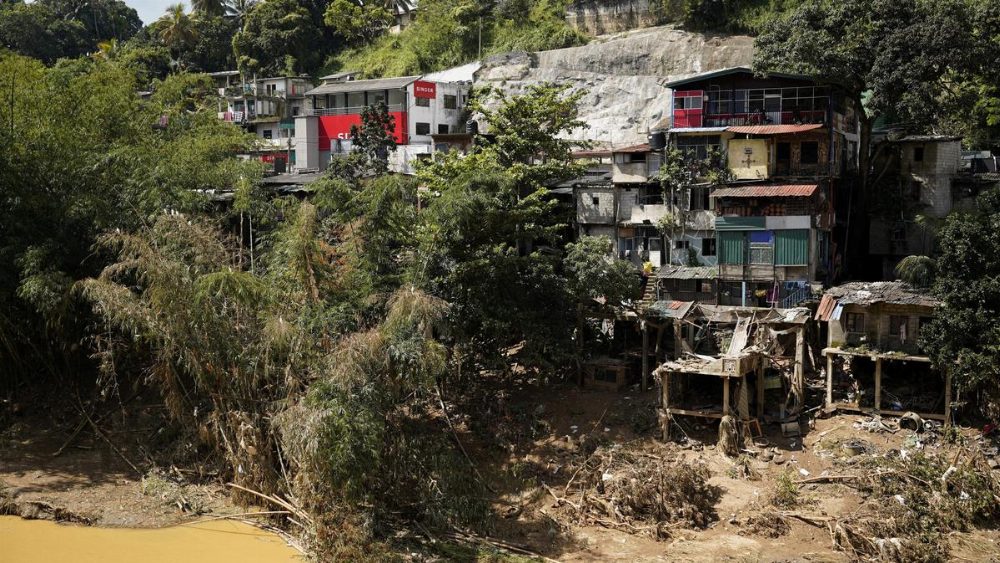
The recent catastrophic floods in Nepal, triggered by Cyclone Ditwah, have led to a staggering loss of life and have underscored the urgent need to address the unequal impacts of climate change across regions.
With reports indicating over 1,250 fatalities and more than 4,000 individuals still unaccounted for, the situation in Nepal is dire. As journalists on the ground report the harrowing experiences of locals and tourists alike, a chilling picture of the devastation emerges. The Nepali government's efforts to provide aid and rescue operations offer a glimpse of hope, yet the road to recovery will be long and arduous.
Disproportionate Vulnerabilities
Amidst the chaos, it becomes evident that the marginalized communities, particularly the Malaiyaha Tamil population in Sri Lanka, are often the hardest hit by such climate shocks. These communities face dual challenges: they are not only historically marginalized but also bear the brunt of climate-induced disasters. The aftermath of Cyclone Ditwah in Sri Lanka serves as a stark reminder of this vulnerability, as many families continue to live in temporary shelters, struggling to secure their livelihoods.
A Call for Global Solidarity
The United Nations has appealed for $35 million in humanitarian aid to assist those affected by the floods in Sri Lanka, which is still grappling with the repercussions of the cyclone. As the region braces for possible El Niño effects, the stories of resilience and resistance against the backdrop of relentless climate shocks highlight the pressing need for a collaborative response to the climate crisis. Despite the recurring nature of these disasters, the focus remains on survival rather than sustainable solutions, revealing a critical gap in addressing climate resilience.
Source: www.thehindu.com
#climate crisis #Cyclone Ditwah #floods #humanitarian aid #Nepal