New Airline Regulation Lowers Compensation Standards for Delayed Flights
By Editor • September 10, 2026 • 1 min read
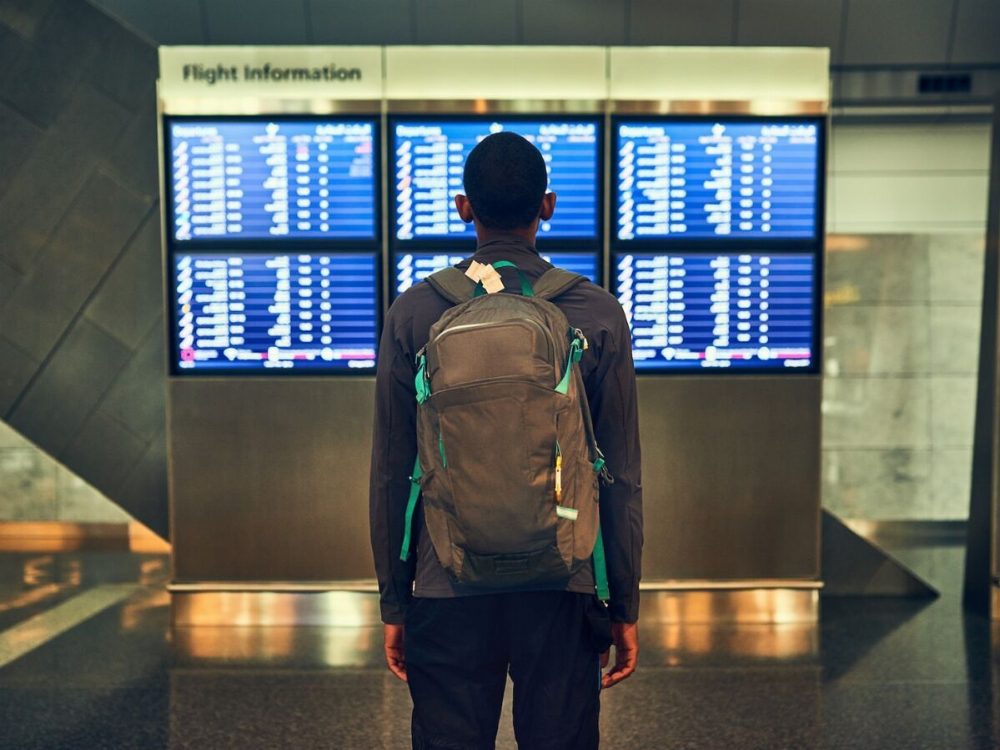
Starting October 19, a new regulation from the U.S. Department of Transportation (DOT) is set to alter the landscape for airline passengers experiencing delays and cancellations. The law narrows the definition of what constitutes an airline's responsibility, potentially leaving travelers with fewer rights to compensation.
Shift in Airline Accountability
This regulation, part of the FAA Reauthorization Act of 2024, reclassifies ten specific reasons for flight delays and cancellations as "outside of the airline's control." This means that if a flight is delayed for any of these reasons, airlines are not obligated to provide compensation in the form of meals, hotels, or rebooking. The DOT anticipates that this change will reduce the overall support offered to passengers affected by delays.
Reasons No Longer Considered Airline Fault
The newly defined reasons include a range of events such as aircraft cleaning after a passenger death, damage from extreme weather, and even cybersecurity attacks, provided the airline adhered to security protocols. As a result, airlines can now attribute delays to these causes, diminishing their accountability. Notably, unscheduled maintenance, a common reason for delays, will also fall under this new classification.
Implications for Travelers
For travelers, this shift means airlines can more easily deny compensation, making it crucial for passengers to understand their rights. Although refund rights for canceled or significantly delayed flights remain intact under a separate 2024 rule, the level of assistance available during delays is likely to decline. As airlines have broad discretion to classify delays, passengers may find themselves stranded without adequate support.
Source: matadornetwork.com