Ocean Shipping Routes Shift Amid Panama Canal Congestion
By Editor • September 4, 2026 • 2 min read
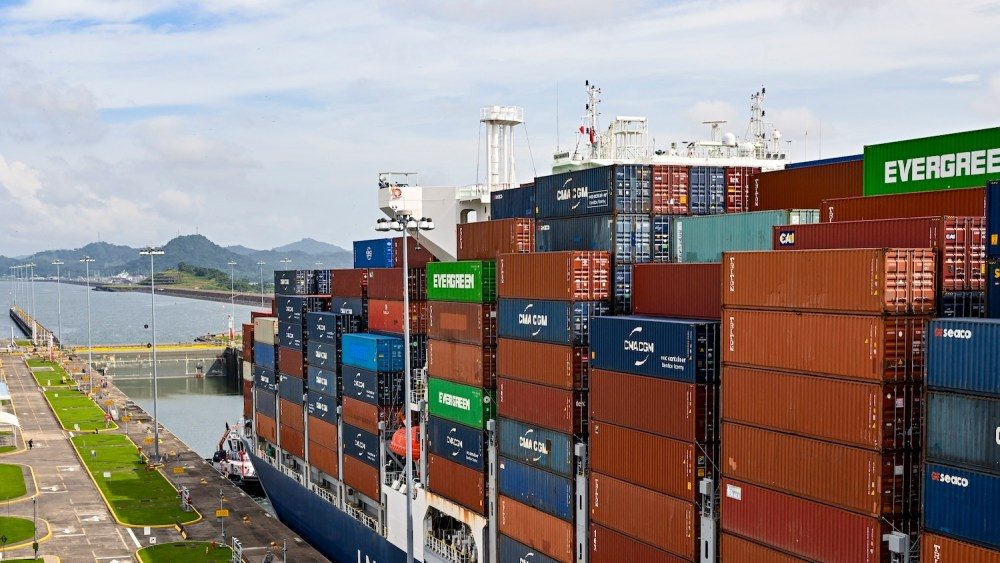
As congestion mounts at the Panama Canal and Asian ports face severe delays, ocean carriers are altering their vessel routes and schedules to adapt to the unfolding crisis. Major shipping lines like Orient Overseas Container Line (OOCL) and CMA CGM are among those making significant changes as they navigate through these logistical challenges.
Rerouting Strategies in Response to Restrictions
The OOCL Lilac recently departed the Port of Xiamen, opting for a westward journey through the Indian Ocean instead of the traditional Panama Canal route destined for the Port of New York and New Jersey. This decision reflects a broader trend as carriers seek alternatives amidst tightened draft restrictions and limited transit availability at the canal. Similarly, the CMA CGM Leo is bypassing Panama after leaving Shanghai, choosing to take the Suez Canal on its route to Norfolk, Virginia.
Impact of Typhoons and Schedule Reliability
These adjustments come as Asian ports grapple with congestion exacerbated by a series of typhoons that have disrupted operations at key locations, including Shanghai and Ningbo. According to maritime research firm Sea-Intelligence, global container vessel schedule reliability plummeted to 56.4% in July, marking a notable decline and causing average delays of over six days for late vessels. Shanghai recorded only 21% of container vessels arriving on time, reflecting the lowest reliability in 14 years.
Future Challenges and Pricing Pressure
The situation is expected to remain fluid, particularly with the Panama Canal Authority reducing daily vessel transit slots and implementing draft restrictions that affect cargo capacity. As shipping lines adjust their strategies, the cost of securing passage through the canal is also on the rise, exemplified by a record auction fee of $5.3 million paid by SK Gas for a transit slot. The uncertainty surrounding the canal, combined with El Niño's anticipated impact, leaves the outlook for ocean freight operations precarious well into 2027.
Source: wwd.com