Reviving the Outback: A Decade-Long Conservation Triumph in NSW
By Editor • September 7, 2026 • 2 min read
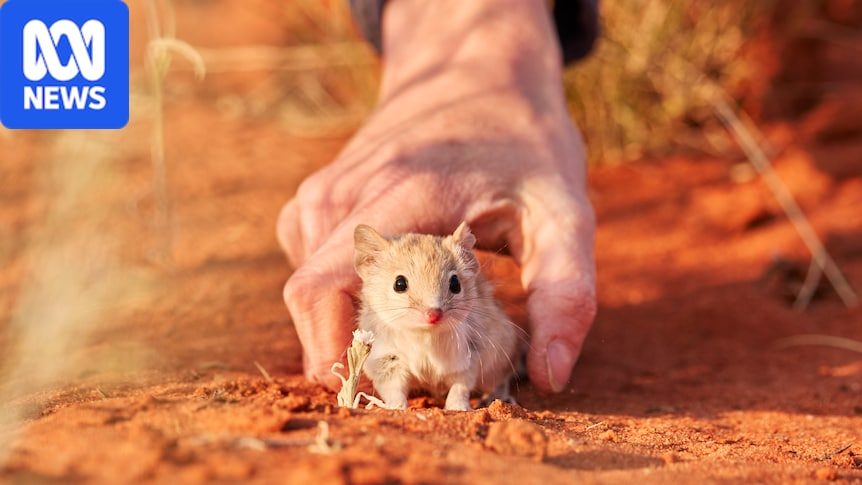
A groundbreaking conservation effort in the outback of New South Wales is breathing new life into the region’s once-abundant wildlife. The Wild Deserts project, initiated in 2016, has successfully reintroduced several native species that had vanished due to predation by feral cats, foxes, and rabbits. This ambitious initiative marks a significant step towards ecological restoration in an area where bilbies, bandicoots, and burrowing bettongs once thrived.
Restoring Extinct Species
At the heart of the Wild Deserts project is the reintroduction of seven indigenous species to the north-west corner of NSW, including crest-tailed mulgaras, stick-nest rats, and western quolls. The project began under the leadership of Richard Kingsford, who sought a dedicated team to manage the initiative. Enter Reece and Bec, a couple with backgrounds in conservation and ecology who were eager to make a difference. Their first task was to construct two massive fenced areas—2,000 hectares each—designed to protect these vulnerable species from predators.
Training for Survival
The exclosures were declared feral-free in early 2019, paving the way for the release of the first crest-tailed mulgaras and bilbies. The team strategically introduced other species, including Shark Bay bandicoots and golden bandicoots, to create a balanced ecosystem. The western quoll, as the top native predator, plays a crucial role in managing herbivore populations. The project's unique approach involves exposing these animals to feral predators in a controlled environment, allowing them to develop survival instincts against threats like feral cats, which are responsible for the decline of numerous native species in Australia.
Community Engagement and Future Prospects
Beyond wildlife restoration, the Wild Deserts team emphasizes the importance of engaging the local community. Their efforts have fostered involvement from families and children in the region, making conservation a shared priority. As the project continues to thrive, the recent commitment of funding for the next decade offers hope for sustained progress. With favorable climatic conditions and evidence of increased flora and fauna, the project has surpassed initial expectations, showcasing a remarkable transformation in the desert landscape.
Source: www.abc.net.au
#conservation #ecological restoration #native species #NSW #Wild Deserts