Reviving Your Garden: Expert Tips for Recovery After a Scorching Summer
By Editor • September 10, 2026 • 2 min read
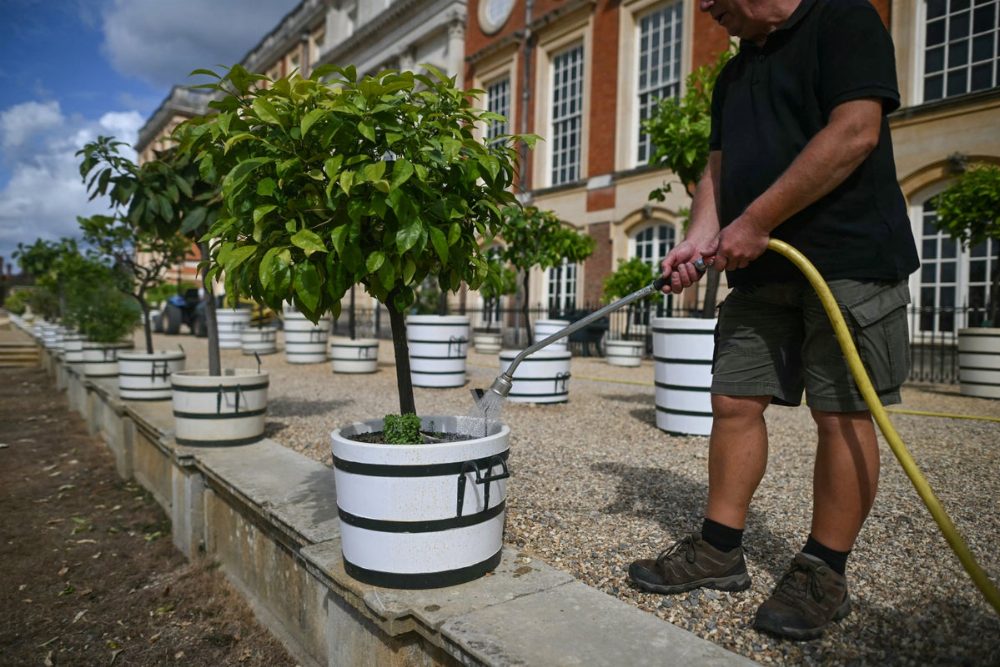
This summer, UK gardens faced unprecedented challenges as a heatwave turned lush landscapes into dry, dusty patches. With many regions experiencing nearly two months without rain, gardeners were left to scramble in the evenings, hauling buckets of water to sustain their beleaguered plants. As the rains return, the question arises: how can gardeners restore their outdoor sanctuaries back to health?
Assessing Plant Health
Fortunately, nature has its ways of bouncing back. Many plants, though they may appear wilted or defoliated, could still be clinging to life, having adopted survival strategies during the drought. Gardeners can confirm the health of woody plants by gently scraping the young bark; if the underlying phloem is green, the plant is still alive. While some plants might re-leaf this autumn or send up new shoots in spring, others will need time to recover.
Patience and Pruning
It's crucial for gardeners to exercise patience at this recovery stage. While immediate pruning of dead stems is advisable, it’s best to hold off on removing entire perennial plants, as they may regenerate from their root systems. Additionally, brown lawns are expected to green up with time, but for those with bare patches, sowing grass seed mixed with sand this September can encourage new growth.
Choosing Resilient Plants
Different plants have varying degrees of drought resilience, influenced by their native climates. Species from wetter regions, like certain varieties of hydrangeas, may have struggled more this summer compared to drought-adapted plants such as cotinus. Despite the harsh conditions, some gardeners noted that plants like salvia, verbena, and roses thrived, showcasing the importance of selecting resilient species for future planting. With climate change shifting UK weather patterns, gardeners might need to adapt by incorporating more Mediterranean flora and selecting plant species that can withstand climate extremes.
Source: www.independent.co.uk