South Australia Investigates Buffel Grass Management Amid Fire Concerns
By Editor • September 2, 2026 • 1 min read
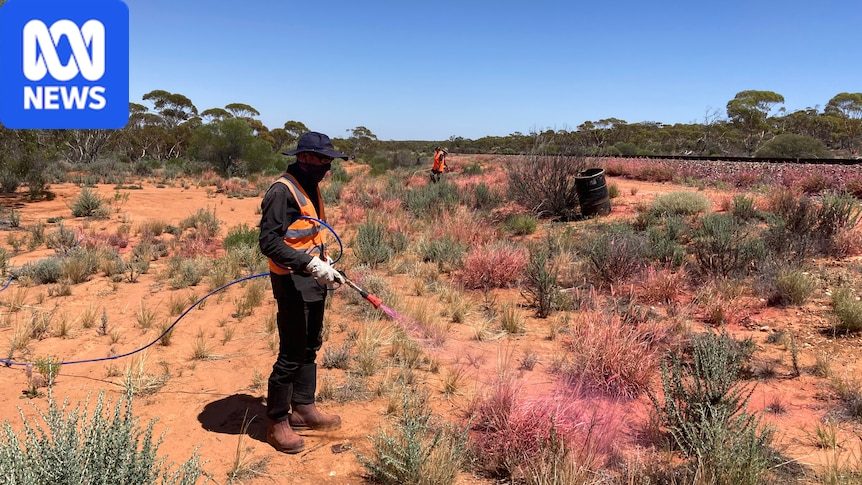
South Australia is taking a closer look at buffel grass management as the invasive species poses a significant fire risk this spring. Following a period of abundant rainfall, the growth of buffel grass has surged, raising alarms among fire response agencies.
The Country Fire Service (CFS) has expressed concern over high fuel loads due to the proliferation of buffel grass, which burns at temperatures significantly higher than native vegetation. CFS director Alison May noted that while vegetation continues to grow, it is already beginning to dry out, further exacerbating fire risks.
In response to these challenges, a parliamentary inquiry, led by MP Erin Thompson, has been initiated to assess the current and future management strategies for buffel grass within the state. Thompson emphasized the need to explore how to enhance management practices to reduce the spread of this highly flammable grass.
Buffel grass, originally imported from Africa and Asia in the 19th century, was intended to improve pasture quality. However, its aggressive growth has led to competition with native species, significantly impacting rural ecosystems. Invasive Species Council senior advocate James Johnston stressed the urgency of halting the further spread of buffel grass, particularly in more southern regions of the state.
While pastoralists like Livestock SA chair Gillian Fennell acknowledge the grass's benefits as a reliable feed source in arid areas, they also recognize the environmental concerns associated with its spread. Fennell pointed out that buffel grass stabilizes soil and creek beds but noted the importance of managing it wisely to prevent negative consequences.
As discussions continue around the appropriate classification and management of buffel grass, stakeholders agree on the necessity of a balanced approach that considers both its benefits and risks.
Source: www.abc.net.au
#buffel grass #bushfire risk #fire management #invasive species #South Australia