Surveillance on Swalwell: A Flight of Federal Intrigue
By Editor • September 2, 2026 • 3 min read
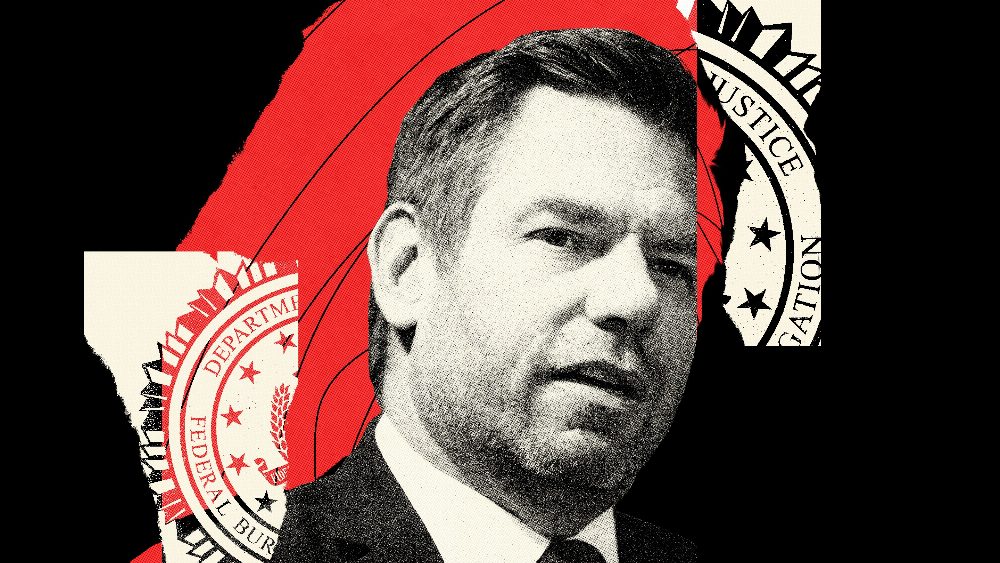
On August 8, former Representative Eric Swalwell found himself under the watchful gaze of federal agents during a United Airlines flight from Frankfurt to Washington, D.C. Unbeknownst to him, the Federal Air Marshal Service had been instructed to monitor his activities, particularly his use of electronic devices, as part of an FBI investigation.
Swalwell, a Democrat and vocal critic of the Trump administration, has faced serious allegations in recent months, including accusations of sexual assault from multiple women. A former staff member has claimed that Swalwell raped her while she was intoxicated, while another woman accused him of drugging and assaulting her. The mounting allegations led him to suspend his gubernatorial campaign and resign from Congress in April. The FBI's surveillance directive described Swalwell as the "focus" of an ongoing investigation, although specific details were not disclosed.
Upon arriving at San Francisco International Airport a week later, Swalwell was met by FBI agents armed with a search warrant. They seized his mobile phone and personal computer, although it remains unclear if they had already deciphered his passcodes. The FBI's interest in Swalwell appears to connect to the various sexual assault allegations against him, with investigations being conducted in both Los Angeles and New York.
Former law enforcement officials have expressed concern over the unusual nature of the FBI's request for air marshal surveillance. Traditionally, the FBI does not engage in investigations concerning sexual assault, and asking air marshals to ascertain passcodes is considered highly irregular. The request was classified as "Special Mission Coverage," typically reserved for urgent law enforcement needs.
Critics of the FBI's approach have pointed out the political context surrounding Swalwell, noting that the Trump administration has long viewed him as a target. Stephen Miller, a deputy chief of staff under Trump, once publicly denigrated Swalwell, and FBI Director Kash Patel labeled him a “corrupt actor” in a recent publication. This backdrop raises questions about the motivations behind such extensive surveillance.
Swalwell's attorney, Sara Azari, condemned the air marshal operation as an unprecedented escalation and asserted that they had been cooperative with the Department of Justice throughout the investigation. She stated that they were never asked for Swalwell’s devices, and had they been, compliance would have been ensured.
The FBI has not commented on the matter, and the Transportation Security Administration, which oversees the air marshal service, did not respond to inquiries. The warrant that enabled the seizure of Swalwell’s devices cited a civil rights statute typically associated with police misconduct, raising further questions about its applicability in this case. Legal experts speculate that prosecutors might be investigating whether Swalwell used his office to intimidate his alleged victims.
In a twist, the details of the search warrant and the items seized from Swalwell became public—an unusual circumstance, as such information is typically sealed. This transparency follows a pattern under Patel, who has previously shared investigative details concerning high-profile individuals before charges were brought.
Swalwell's troubles may extend beyond the sexual assault allegations. His employment of a Brazilian nanny is being scrutinized by the Department of Homeland Security, and he has also been implicated in alleged mortgage fraud, although no charges have been filed. Furthermore, Swalwell was previously investigated for potential ties to Chinese intelligence but was cleared in 2017.
Source: www.theatlantic.com
#Air Marshals #Eric Swalwell #FBI #sexual assault #Surveillance