Syria's New Leadership Navigates Risks Amid Israeli Aggression
By Editor • September 2, 2026 • 2 min read
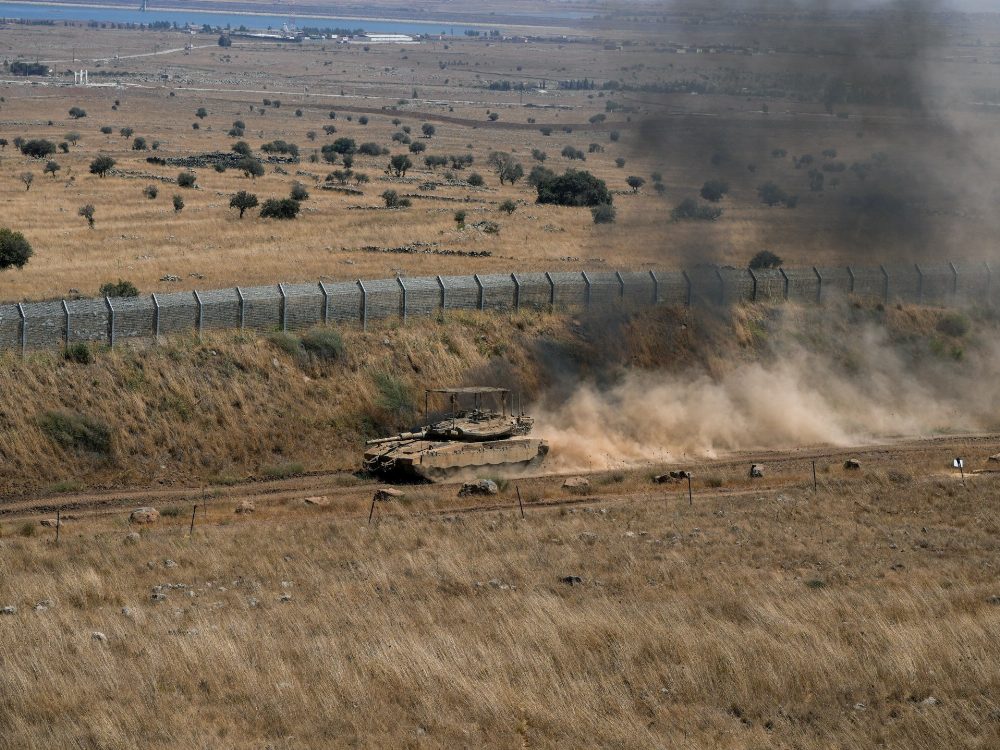
Recent Israeli military actions in Syria have intensified scrutiny on the new government led by Ahmed al-Sharaa. Just last week, Israeli forces targeted a hill near Beit Jinn and conducted a raid in Quneitra, following a significant airstrike at the Abu al-Duhur military base in northern Syria. While Israel claims these strikes are defensive measures against potential Turkish military movements, both Syria and Turkey have disputed this narrative.
Despite ongoing Israeli aggression, the Syrian government is attempting to navigate a delicate path of restraint. Al-Sharaa’s administration is prioritizing economic recovery and international legitimacy over immediate military responses. This strategy reflects a belief that by strengthening state institutions and rebuilding its military capacity, Syria can reclaim its sovereignty.
However, the risks of this approach are substantial. Israel’s continued encroachment may exploit Syrian restraint, potentially eroding confidence among the Syrian populace and the Arab world, where Israel is largely viewed as a direct threat. The Syrian military's recent history underscores its weakened state, especially following the collapse of former President Bashar al-Assad's army in late 2024, which left the nation scrambling to establish a coherent national security framework.
The daunting cost of recovery is estimated at $216 billion, a figure that highlights the challenges facing the Syrian government. Al-Sharaa's focus has been on essential areas such as restoring energy supplies and improving foreign relations. Notably, recent shifts in U.S. policy, including the removal of Syria from the State Sponsors of Terrorism list and the easing of sanctions by the European Union, have opened pathways for greater economic engagement.
Yet, these diplomatic gains come with conditions. Any military escalation could jeopardize investor confidence and complicate Syria’s reintegration into the international economy. With the stakes high, the Syrian leadership finds itself in a precarious position: while restraint may foster the international environment necessary for rebuilding, it also allows Israel to maintain pressure on Syria's military capabilities.
Israeli Prime Minister Benjamin Netanyahu’s demands extend beyond immediate security concerns. He has called for the demilitarization of several Syrian provinces and seeks to limit military cooperation between Syria and Turkey, illustrating Israel’s broader strategy to curtail Syria's military resurgence.
Public opinion also plays a critical role in this landscape. A 2025 survey indicated that a significant majority of Syrians view Israel as a threat and oppose any normalization efforts without the return of the Golan Heights. This sentiment could pose risks for al-Sharaa’s government, which must balance international engagement with the expectations of its citizens.
Syria's approach under al-Sharaa marks a departure from the previous regime's strategy, aiming to consolidate state power through economic and institutional recovery rather than direct confrontation. However, unless this strategy translates into tangible control over its territory and security policy, the government's legitimacy could be at stake, both domestically and in the broader Arab context.
Source: www.aljazeera.com
#Ahmed al-Sharaa #Israel #Middle East #military conflict #Syria