Tech Giants Tackle Wearable Device Accuracy for Darker Skin Tones
By Editor • September 10, 2026 • 2 min read
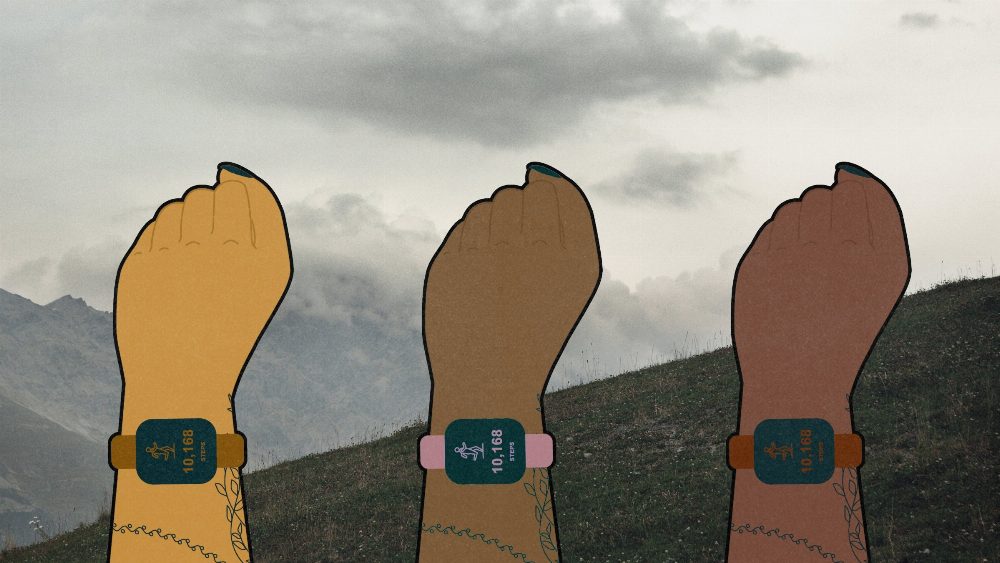
As wearable technology becomes an integral part of daily life for millions of Americans, an important concern has emerged regarding the accuracy of these devices, especially for users with darker skin tones. Recent studies have shown that skin pigmentation can significantly affect the reliability of health metrics provided by devices like smartwatches and fitness rings.
According to a 2025 review of smartwatch accuracy, research indicates that devices often underestimate heart rates in individuals with darker skin by as much as 15 beats per minute during exercise. This discrepancy raises significant health concerns, as accurate heart rate readings are crucial for monitoring fitness levels and detecting potential cardiovascular issues.
Understanding the Technology Behind Wearable Devices
Most wearable devices utilize photoplethysmography (PPG), which measures blood flow through light sensors that emit green light. While this technology can provide valuable data, melanin in darker skin absorbs and scatters some of this light, leading to inaccuracies. A 2026 study noted that the Fitzpatrick Scale, commonly used to categorize skin tones, presents challenges in accurately reflecting skin variations due to its reliance on subjective self-assessments.
Industry Responses to Improve Accuracy
In response to these concerns, major wearable tech companies like Apple, Oura, WHOOP, and Polar are actively working to enhance the accuracy of their devices for users across all skin tones. WHOOP, for instance, has developed algorithms designed to adjust for light absorption by melanin, continuously validating its data through diverse user studies. Similarly, Apple has implemented changes at both the hardware and software levels to ensure consistent performance for users with darker skin.
Oura’s smart ring capitalizes on more consistent pigmentation on the palm side of fingers, providing a stronger signal for heart rate monitoring. Meanwhile, Polar emphasizes the importance of electrocardiogram (ECG) technology for precise heart rate tracking, particularly in scenarios where accuracy is critical, as it is less affected by skin pigmentation.
As the demand for wearable technology continues to grow, ensuring equitable data accuracy across diverse skin tones remains a priority for the industry, reflecting a commitment to inclusivity in health monitoring.
Source: www.outsideonline.com
#Apple #health metrics #photoplethysmography #skin tone #wearable technology #Whoop