The Cabin: A Symbol of Escape and Reflection in Modern Living
By Editor • September 7, 2026 • 2 min read
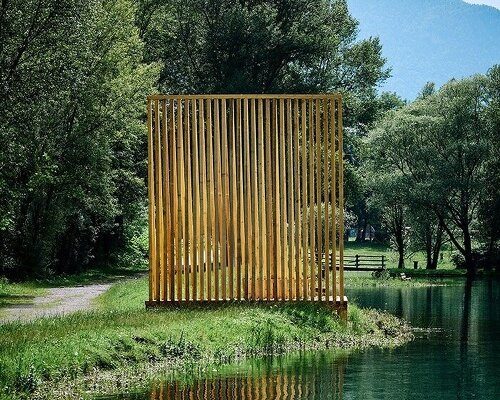
The concept of the cabin transcends its physical form, evolving into a cultural phenomenon that captures our yearning for a simpler existence amidst the chaos of modern life. Spanish journalist and curator Eva Morell delves into this complex relationship in her forthcoming book, Refugio, una historia de cabañas, set to be released in 2025. Through her exploration of cabins from prehistoric times to contemporary structures, Morell argues that these small shelters serve not only as architecture but as a reflection of our collective desire for comfort, safety, and connection to nature.
A Digital Escape
In today's hyper-connected world, the allure of the cabin has found new life on social media. Platforms like Instagram and Pinterest are flooded with images of idyllic cabins nestled in serene landscapes, offering a virtual escape from our fast-paced lives. Morell notes that this digital fascination is paradoxical; while we seek to disconnect from screens, we use them to dream of a life away from technology. 'Looking at cabins on a screen is a way of disconnecting without leaving the sofa,' she observes, emphasizing the dissonance between our desires and the realities of our digitally driven lives.
The Architectural Experiment
Cabins challenge us to reconsider what we truly need in our living spaces. By distilling the domestic experience into a smaller footprint, these structures invite critical questions about space, comfort, and our relationship with the surrounding environment. Morell's analysis juxtaposes modernist examples like Le Corbusier’s Cabanon with ancient shelters, suggesting a long-standing human impulse to create spaces that foster community and belonging. This architectural scrutiny transforms the cabin from a nostalgic retreat into a testing ground for sustainability and self-sufficiency.
From Refuge to Commodity
However, the cabin's transformation from a simple refuge to a marketable commodity complicates its original promise of simplicity. The rise of nature tourism and remote accommodations during the pandemic has turned the quest for solitude into an expensive luxury. Morell critiques this trend, coining the term 'cabañificación' to describe the gentrification of natural experiences, where the act of seeking tranquility becomes a privilege. This raises an essential question about our motivations for retreating to cabins: are we genuinely seeking disconnection, or merely replacing urban stress with a curated version of rural life?
Source: www.designboom.com