The Hidden Dangers of Our Food Supply: A Closer Look at Recent Outbreaks
By Editor • September 3, 2026 • 3 min read
The recent cyclosporiasis outbreak has raised alarms across the nation, affecting individuals in at least 48 states and leading to around 17,000 confirmed cases. However, experts caution that while this outbreak is concerning, cyclospora infections are generally mild and rarely fatal. The two reported deaths in this instance involved individuals with severe pre-existing conditions, highlighting that other foodborne pathogens pose a more significant risk.
For instance, Salmonella affects over a million Americans annually, with serious complications arising in about 8% of cases, including meningitis and sepsis. Meanwhile, botulism, a rare but dangerous illness, can lead to paralysis and death. Recent botulism outbreaks linked to powdered infant formula have gone largely unnoticed, with infants hospitalized due to severe complications from tainted products.
In November 2025, an outbreak traced back to ByHeart powdered formula impacted at least 48 infants across 17 states, resulting in multiple strokes in one case. Earlier this year, another incident involved four infants in three states affected by formula from Nara Organics. Both products contained milk powder sourced from a common supplier, potentially spreading botulism spores.
The modern food supply chain is considerably complex and heavily industrialized. Today's powdered baby formula can include ingredients from numerous sources, with a can potentially mixing milk from thousands of cows. This shift from local food sources to massive production facilities has led to larger-scale outbreaks and poses unique challenges for food safety.
Government regulation is also lagging behind these changes. The U.S. food safety system, burdened by outdated policies and underfunding, struggles to keep pace with the realities of industrial food production. The FDA, responsible for the safety of about 80% of the food supply, has faced significant staffing cuts and leadership changes, undermining its effectiveness. The resignation of James Jones, the former head of the FDA’s human-foods division, and the appointment of Kyle Diamantas, who lacks relevant scientific training, raise further concerns about the agency's capability to safeguard public health.
The USDA, in charge of monitoring meat and poultry, has similarly faced workforce reductions under recent administrations, leaving public health experts alarmed. The CDC's food safety efforts have also been weakened, with significant cuts to vital surveillance programs. The fallout from these workforce reductions has made it increasingly challenging to track and respond to foodborne illness outbreaks.
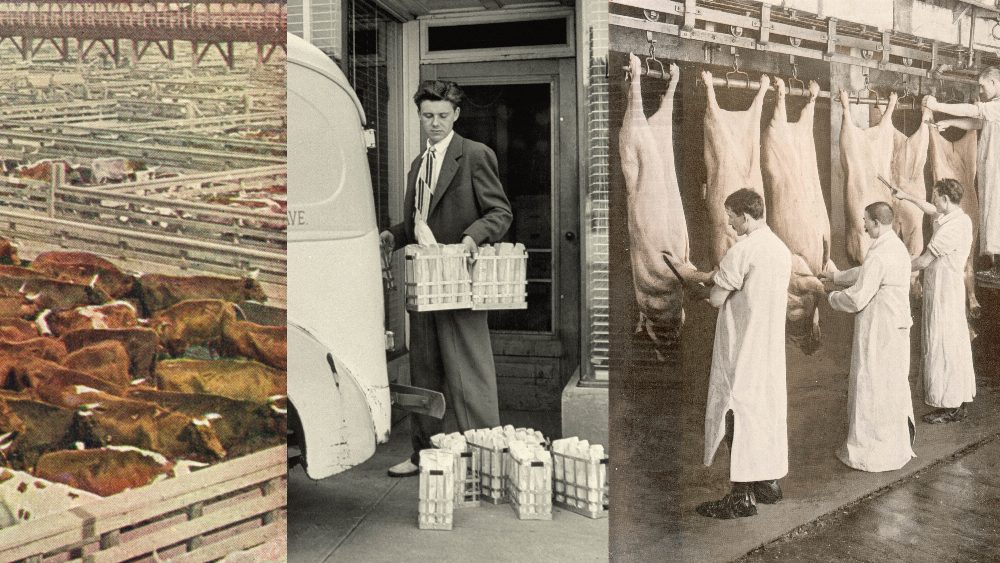
Historical parallels can be drawn to the early 1900s when food safety was a pressing issue, leading to legislative changes prompted by muckraking literature like Upton Sinclair's "The Jungle." Despite gaining regulatory power, the food industry continues to lobby against stringent safety measures, prioritizing profit over public health. The industry’s pushback underscores the ongoing struggle for better food safety regulations, which experts believe could prevent future outbreaks.
Advancements in food safety practices have been made, as seen in the implementation of the "test and hold" rule. This regulation, which prevents meat companies from distributing products until they have been tested for harmful bacteria, has significantly reduced E. coli outbreaks linked to ground beef. The success of such measures shows that with the right policies and public advocacy, it is possible to enhance food safety standards and protect consumers.
Source: www.theatlantic.com
#botulism #cyclosporiasis #food safety #infant formula #salmonella