Toxic Haze Engulfs Southeast Asia Amid Intensifying Wildfires
By Editor • September 3, 2026 • 2 min read
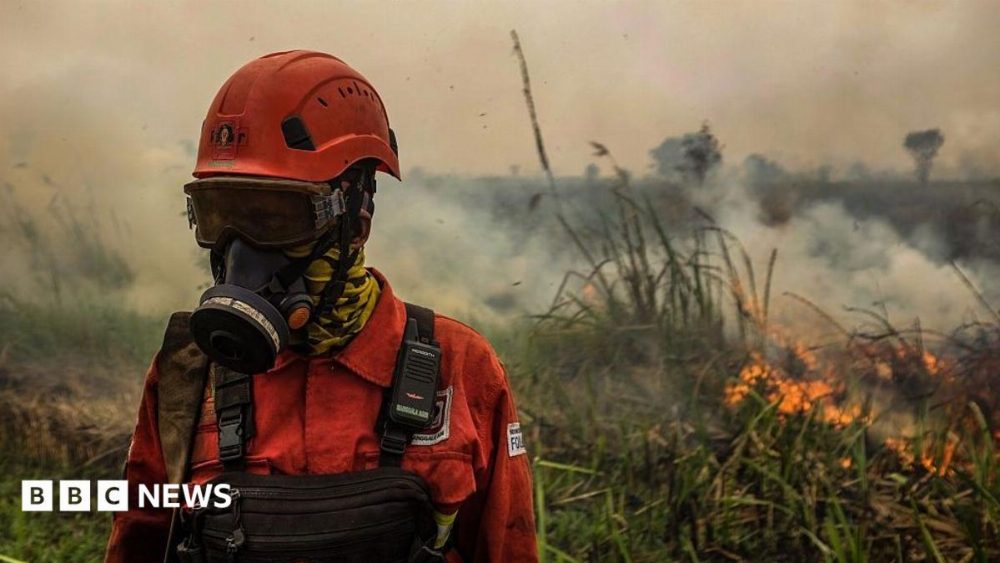
A thick cloud of toxic haze has settled over parts of Southeast Asia, predominantly affecting Indonesia, Malaysia, Singapore, and the Philippines. This environmental crisis stems from rampant wildfires that have persisted since mid-July, fueled by a severe Super El Niño, which has aggravated drought conditions in the region.
As wildfires continue to rage across Sumatra and Indonesian Borneo, millions are exposed to dangerously unhealthy air quality, with pollution levels exceeding the World Health Organization’s recommended limits by more than 15 times. Indonesia's Health Ministry has reported over 50,000 respiratory infection cases linked to the fires, with more than 12,000 of these affecting children under five.
Local residents are feeling the impact. Rizma Nur Fatimah, a teaching assistant from South Kalimantan, described the haze in her classroom as so dense that visibility was reduced to mere feet. “We’ve been living with this since I was born. It’s the same every year, but this year is worse,” she lamented. The situation is equally distressing in the Philippines, where symptoms such as itchy eyes and headaches have been reported.
Moreover, Malaysia is witnessing a rise in asthma and conjunctivitis cases, as smoke drifts across borders and exacerbates air quality issues. Experts are attributing the recurring fires to a legacy of land-use changes initiated during the Suharto era, when extensive logging and plantation developments were allowed to proliferate.
While drought conditions contribute to the spread of fires, human activities—such as draining peatlands for agriculture—have made these ecosystems more prone to burning. Peatlands, which are vital carbon stores, can transform into significant carbon emitters when disturbed. Dr. Nisa Novita from Yayasan Konservasi Alam Nusantara explains that the current conditions could turn these peatlands into 'carbon bombs' that release vast amounts of carbon into the atmosphere.
With predictions indicating that the ongoing El Niño could result in fires burning an area as vast as 11 million hectares, Indonesian officials are bracing for a critical battle ahead. As Forestry Minister Raja Juli Antoni noted, “September is the main fight for us.”
Source: www.bbc.co.uk