Trump's Venezuelan Oil Strategy Risks Repeating Historical Mistakes
By Editor • September 3, 2026 • 2 min read
The Trump administration's recent military maneuvering in Venezuela has raised concerns about a potential return to a troubling pattern of American interventionism that has characterized much of U.S. foreign policy history. This approach, reminiscent of past imperialistic actions, threatens to repeat the cycle of exploitation and resentment that Major General Smedley Butler condemned in his later years.
Major General Smedley Butler, a highly decorated Marine, experienced firsthand the consequences of America's imperial pursuits throughout his 33 years of service. Reflecting on his career, he labeled himself a "gangster for capitalism," acknowledging that the true costs of military interventions were often borne by taxpayers and soldiers while leaving deep-seated scars in the nations affected. Today, the Trump administration appears poised to follow a similar path in Venezuela, aiming to seize control of the country’s vast oil reserves while disregarding the implications for the Venezuelan populace.
A Troubling Prelude to Intervention
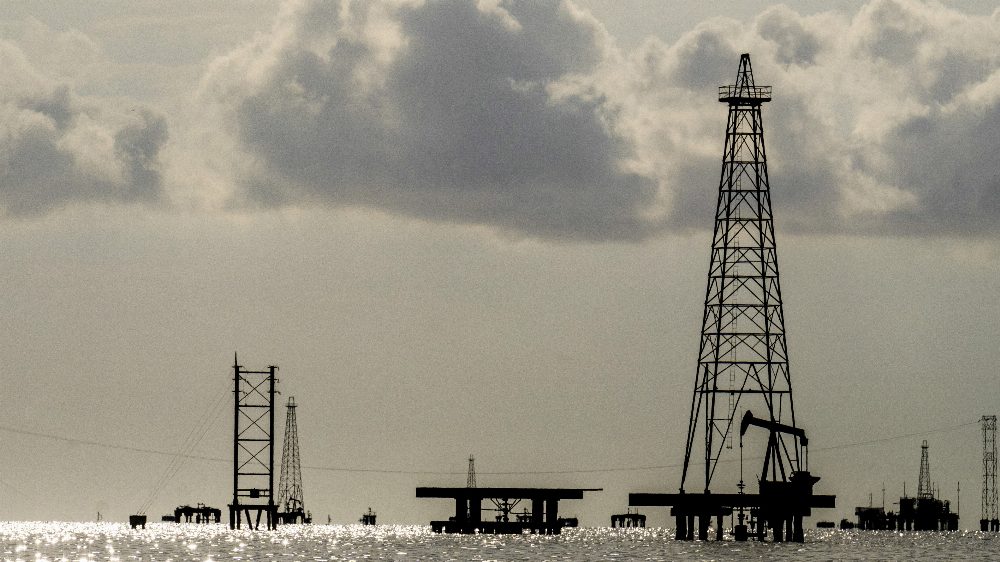
In January, U.S. troops moved into Venezuela, leading to the arrest of President Nicolás Maduro under the guise of drug-trafficking charges. However, the underlying motivation was clear: the desire to access Venezuela's extensive oil resources. President Trump has since hinted at plans to replenish the U.S. Strategic Petroleum Reserve with Venezuelan oil, framing it as a gift to the American people. Critics argue that this arrangement constitutes little more than extortion, with the Venezuelan people lacking any real agency in the matter.
Complexities Behind the Oil Deal
Despite the promise of profits for American oil companies, the situation is fraught with complications. Venezuelan oil is notoriously difficult to refine, and restoring production capabilities will take years, which means that immediate relief at the gas pumps is unlikely. Additionally, the current administration's strategies involve controversial figures like Alejandro Betancourt López, a Venezuelan oligarch with a murky past, further complicating the narrative of a straightforward U.S. intervention.
Historical Patterns and Future Consequences
The relationship between Venezuela and U.S. oil interests has been tumultuous, marked by nationalizations and foreign expropriations. Trump's actions echo a historical cycle that has often led to anti-American sentiment and instability in the region. As Venezuelan leaders have previously capitalized on populist sentiments against foreign interventions, the current U.S. strategy risks rekindling these narratives, potentially leading to further nationalizations and a hostile political climate.
Source: www.theatlantic.com
#American interventionism #oil reserves #Smedley Butler #Trump administration #Venezuela