Unpacking the Legacy of Howard Zinn: A Critical Look
By Editor • September 1, 2026 • 3 min read
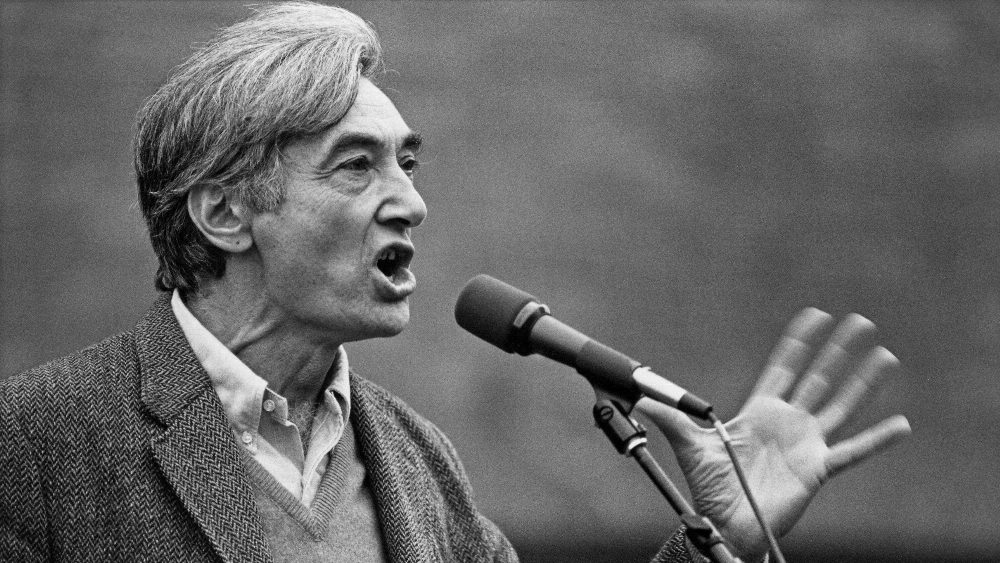
In the realm of American historical discourse, few figures are as polarizing as Howard Zinn, whose influence continues to shape conversations long after his passing in 2010. This enduring impact is explored in Dave Zirin's biography, The People's Historian, which attempts to navigate the complexities of Zinn’s radical vision and the implications it holds for today’s political landscape.
Zinn, born in 1922 to immigrant parents in Brooklyn, first gained prominence with his ground-breaking work, A People’s History of the United States, published in 1980. The book challenged traditional narratives by offering a perspective rooted in the experiences of marginalized groups. Zinn asserted, "I prefer to try to tell the story of the discovery of America from the viewpoint of the Arawaks, of the Constitution from the standpoint of the slaves…" His approach brought to light the struggles of ordinary people, framing them as the heroes of American history, while critiquing the actions of those in power.
Despite its popularity, Zinn's work has been met with skepticism. Critics have labeled it a leftist agenda disguised as historical analysis, arguing it oversimplifies complex events. Nevertheless, Zinn maintained a loyal following, becoming a celebrated figure on the left and a target for conservative critics. Zirin's biography seeks to answer the pressing question many pose: What would Zinn think about today's political climate?
While Zirin acknowledges Zinn's likely disdain for current authoritarian trends, he pushes the narrative further, emphasizing Zinn’s belief in the transformative power of collective action. Zinn’s life was marked by his participation in civil rights and anti-war movements, collaborating with activists like Ella Baker and Daniel Berrigan. Zirin highlights Zinn's optimism, encapsulated in his belief that "we can be surprised again" by the capacity for ordinary people to enact change.
However, Zirin also grapples with the challenges Zinn’s philosophy faces in light of recent political developments. He notes a troubling trend: in 2024, 77 million voters supported an authoritarian figure, raising questions about Zinn's faith in the people. Critics of Zinn's optimism have pointed to this reality, questioning whether he overestimated the potential for grassroots movements to lead to progressive outcomes.
In navigating these themes, Zirin presents a nuanced portrait of Zinn as not only a radical thinker but also a 'happy warrior' who recognized the potential for growth and change, both in individuals and society at large. Yet, Zirin's reflections prompt deeper inquiry into who constitutes 'the people' and whether their actions align with Zinn's ideals.
Zinn’s assertion that the masses are a force for good is increasingly complicated by the emergence of grassroots conservative movements. The rise of the right, as Zirin notes, cannot be dismissed as mere establishment manipulation; instead, it reflects a genuine mobilization among communities that Zinn may not have fully anticipated. This presents a paradox: the same grassroots energy he celebrated on the left also fuels conservative movements, challenging the notion that ordinary people will inherently gravitate toward progressive ideals.
Ultimately, Zirin's biography serves as both a tribute to Zinn's legacy and a critical examination of the limits of his beliefs. While Zinn championed the power of the people, the realities of modern politics suggest a more complex narrative about the forces shaping American society. As Zirin concludes, Zinn's life and work encourage ongoing dialogue about the potential for change, even in the face of overwhelming challenges.
Source: www.theatlantic.com