Unpredictable Weather Ahead: 2023's El Niño Sparks Concern Among Climate Scientists
By Editor • September 14, 2026 • 2 min read
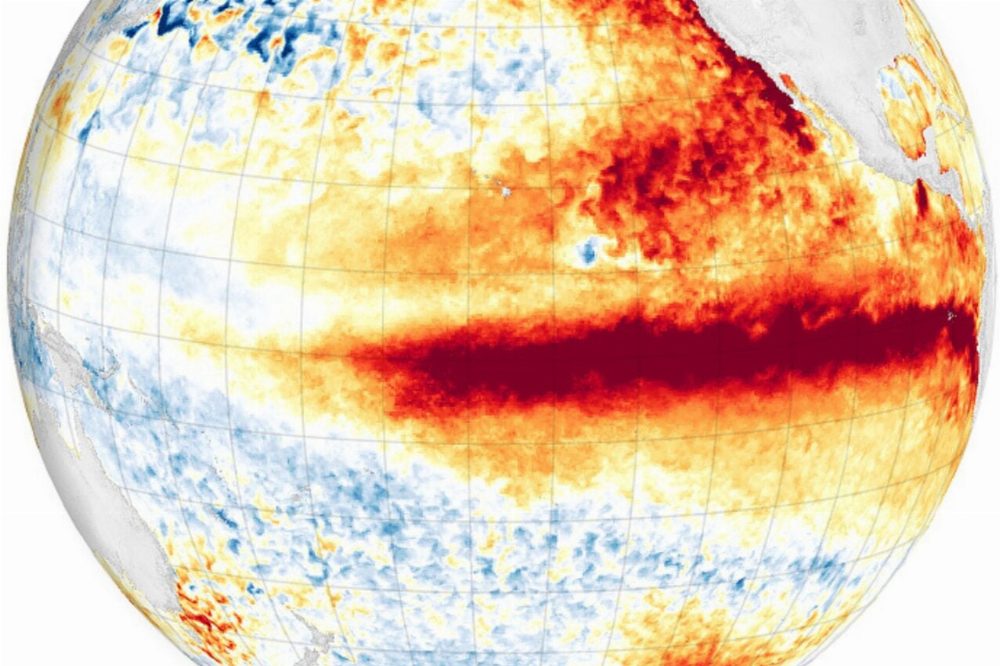
The El Niño phenomenon of 2023 and 2024 has raised eyebrows among climate scientists, as its effects diverge from established patterns. Researchers from the National Science Foundation’s National Center for Atmospheric Research (NCAR) have observed that this year's El Niño failed to deliver the anticipated wetter conditions in the southern United States or the drier climate in the north, leading to unusual weather outcomes globally.
Despite the absence of expected rainfall patterns in the U.S., the impact of El Niño has been felt severely elsewhere, particularly in Brazil, which is experiencing its worst drought in 120 years. NCAR scientists attribute these irregularities to climate change, specifically the warming of tropical waters in the Indian and Atlantic Oceans, which has disrupted traditional weather teleconnections—interconnected climate patterns that have historically guided predictions.
Complex Interactions and Uncertain Futures
Eran Vos, a climate scientist from Bar-Ilan University, emphasized the unpredictability of current weather patterns, stating, "We know less about the teleconnections of the new atmosphere." He warns that the interplay between global warming and El Niño will complicate forecasting and preparedness for extreme weather events. This year’s El Niño is also unique, as it is the first since the late 1990s to arise from warm eastern Pacific waters, diverging from the central Pacific origins that have prevailed in recent decades.
Historic Patterns Turned Upside Down
Further complicating the situation, researchers like Sergio de Miguel have noted that the typical climate responses observed in regions like southern Asia and northeast Africa during El Niño events have flipped dramatically. The warmer conditions previously associated with these events have given way to cooler temperatures, while Western Europe now sees warmer seasons correlated with El Niño, contrary to historical trends.
Clara Deser, a senior scientist at NCAR, highlighted the significance of these changes, asserting that “historical precedent may no longer be a reliable guide to ENSO teleconnections as anthropogenic warming patterns intensify.” As the climate baseline shifts, the uncertainties surrounding weather predictions and the implications for global ecosystems continue to grow.
Source: gizmodo.com
#climate change #drought #El Niño #global warming #Weather Patterns