Tensions Rise in the Baltic as French Naval Patrols Monitor Russian Activity
By Editor • April 1, 2025 • 3 min read
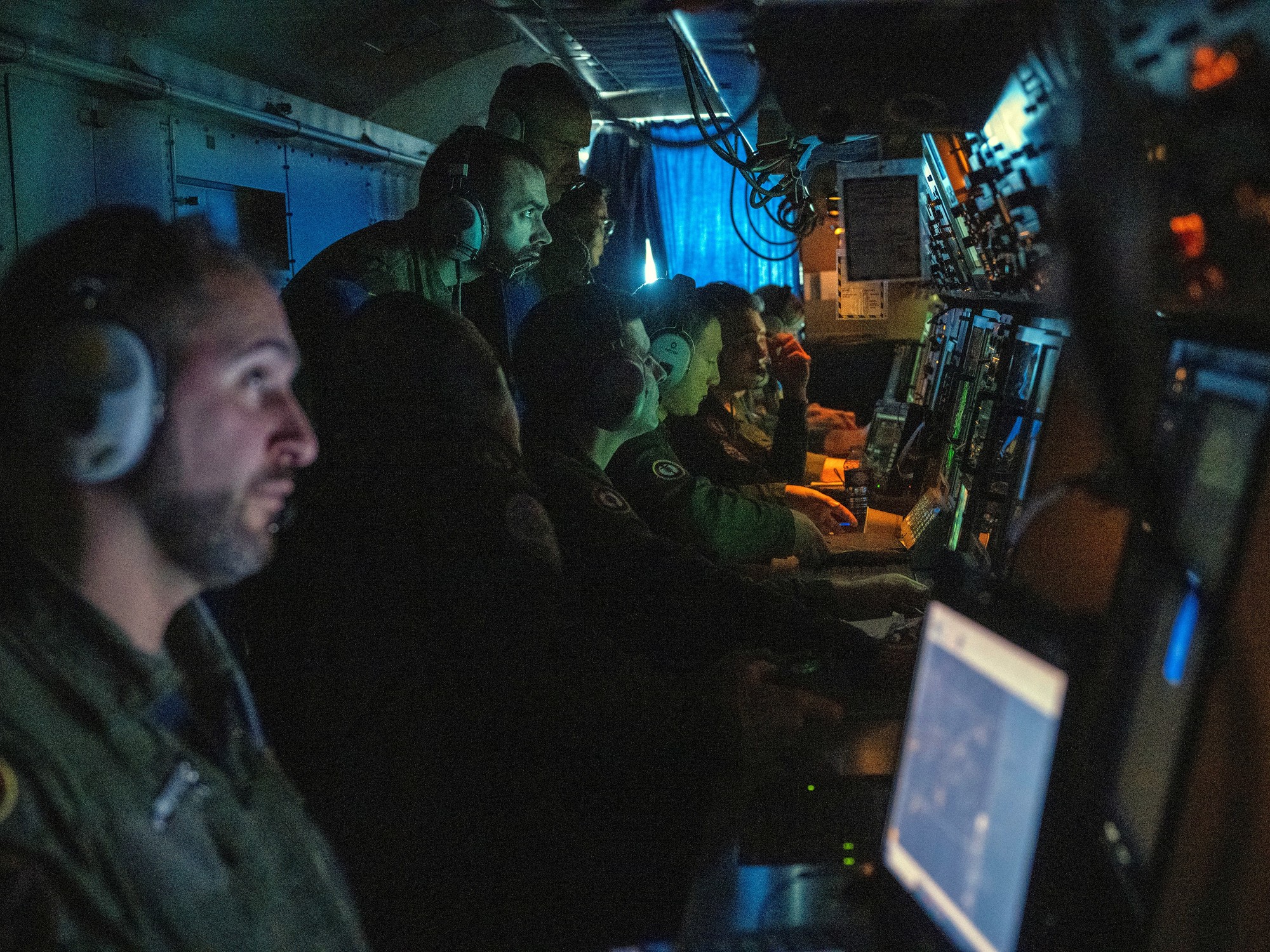
Aboard a French Atlantique 2 naval patrol aircraft, the crew maintained vigilance over the turbulent waters of the Baltic Sea, where a rising tension between Russia and NATO countries has become alarmingly palpable.
The aircraft descended to just 275 meters, skimming the surface of the sea in pursuit of a Russian warship that loomed on the horizon. Despite being equipped for anti-submarine warfare, the Atlantique 2 was armed only with high-resolution cameras and surveillance tools, as Lieutenant Commander Romain emphasized, “We must show that we are here.”
The Baltic Sea, with its heavily militarized coastlines from Northern European navies and Russia, has been a focal point of conflict in the ongoing standoff between Russia and the West. Recently, the stakes were raised further when Russian forces attempted to jam the aircraft's GPS during the patrol, while a Russian warship detected the Atlantique 2 on radar and issued a warning of potential engagement.
The French surveillance mission was particularly pertinent due to suspicions surrounding recent incidents involving commercial vessels damaging crucial underwater communication cables and a gas pipeline. European authorities suspect these may be acts of sabotage by Russia, although concrete evidence remains elusive.
In response to these growing concerns, NATO launched a new initiative, Baltic Sentry, aimed at bolstering maritime and aerial patrols in the region. Primarily involving Baltic member states like Sweden and Finland, the operation also includes contributions from France and the UK, as well as U.S. Marines stationed in Finland. Launched just before the Trump administration took office, Baltic Sentry has so far proceeded without interruption despite the political backdrop.
General Christopher G. Cavoli, NATO's Supreme Allied Commander in Europe, noted that Baltic Sentry exemplifies the alliance’s swift response to destabilization efforts, emphasizing unity in the face of challenges. While the initiative is not explicitly aimed at Russia, it is evident that Russian activity remains a primary concern.
During a recent 14-hour mission, the Atlantique 2 monitored Russian naval operations, particularly focusing on the Baltiysk naval base in Kaliningrad. The moment the aircraft entered the base's operational radius, it began experiencing GPS interference, coinciding with sightings of Russian submarines and frigates below.
A crew member used the aircraft's camera to capture images of the Russian vessels, while another consulted a reference manual to identify the ships. At one point, a Russian warship’s radar briefly locked onto the French aircraft, raising alarms about possible hostile actions; however, the crew speculated this might have been an attempt to gauge altitude rather than an imminent threat.
The French military expressed its concerns about such aggressive maneuvers, labeling them as unnecessary intimidation that obstructs freedom of navigation. Since Russia's large-scale invasion of Ukraine in 2022, Europe has grappled with a series of unusual incidents, reinforcing suspicions of Kremlin-led sabotage campaigns.
Despite repeated denials from the Kremlin regarding involvement in sabotage, intelligence reports indicate that various incidents, including fires at DHL shipping centers, could be linked to Russian plots. The alarming trend of underwater cable damage prompted NATO’s decisive military response, with Finnish commandos seizing a vessel, the Eagle S, suspected of cutting essential cables connecting Finland and Estonia.
Despite the heightened scrutiny, no definitive proof has yet emerged that the crews of the ships involved intentionally damaged the infrastructure, and many incidents attributed to sabotage have been later explained by navigational errors or rough weather.
Source: www.clarin.com