Harvard's Legal Battle with Trump Administration Shapes Future of Higher Education
By Editor • May 24, 2025 • 3 min read
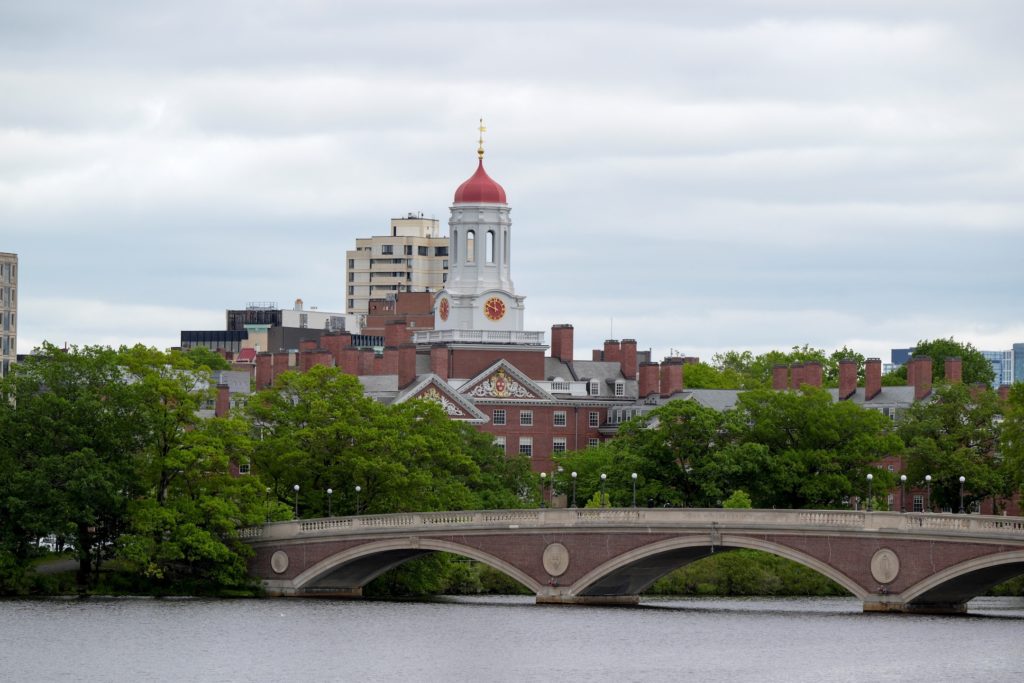
A recent legal confrontation between Harvard University and the Trump administration has sparked significant discussions about the future of higher education in the United States. A federal judge ruled against the administration's attempt to prevent Harvard from enrolling international students, a move that could have jeopardized the status of over 6,800 students, accounting for more than a quarter of the institution's entire student body.
This dispute is part of a broader struggle involving the Trump administration's ongoing scrutiny of elite universities. Harvard has been the focal point of various investigations, including those related to funding cuts, threats to its tax-exempt status, and criticisms regarding its campus culture. In light of these developments, the implications for Harvard extend beyond immediate enrollment concerns.
In an interview with Laura Meckler from The Washington Post, the far-reaching consequences of this legal battle were discussed. Meckler noted that while Harvard is renowned for attracting top talent globally, the potential loss of international students would profoundly impact its educational environment. "The diversity and exchange of ideas fostered by these students are integral to the Harvard experience," she stated.
Financially, the situation presents a complex picture. Unlike many universities that charge international students significantly higher tuition rates, Harvard offers financial aid even to its international cohort. Therefore, while the revenue from international students is not as critical to Harvard's budget as it might be for other institutions, the reputational damage could be severe.
The Trump administration's motives have been scrutinized, with President Trump himself criticizing Harvard's handling of various issues on campus, including allegations of antisemitism. "Billions of dollars has been paid to Harvard… And they have $52 billion as an endowment," Trump remarked, emphasizing a perceived disconnect between the institution's wealth and its responsibilities. This rhetoric is part of a larger narrative that positions the administration's actions as an attempt to impose a political agenda on higher education.
According to Meckler, this conflict represents a significant shift in the relationship between the Republican Party and elite educational institutions. Historically viewed as pillars of progress and innovation, universities are increasingly seen by some conservatives as bastions of liberal ideologies that are out of touch with mainstream America. This evolving perception could have long-lasting ramifications for federal funding and support for higher education.
In response to these challenges, Harvard’s president, Alan Garber, condemned the administration's actions as both unlawful and unwarranted, suggesting that this could set a troubling precedent for other colleges and universities across the nation. He characterized the situation as a broader conflict over the direction of higher education in the U.S., indicating that the fight is not solely about Harvard but rather about the future of academic freedom and institutional autonomy.
As the legal battle unfolds, the stakes are high for Harvard and other institutions facing similar scrutiny. The outcome may serve as a litmus test for how higher education will be funded and governed in the coming years, potentially reshaping the landscape of American colleges and universities in a way that could reverberate through generations.
Source: www.pbs.org