New U.S. Military Actions Signal Prolonged Conflict in the Middle East
By Editor • June 22, 2025 • 2 min read
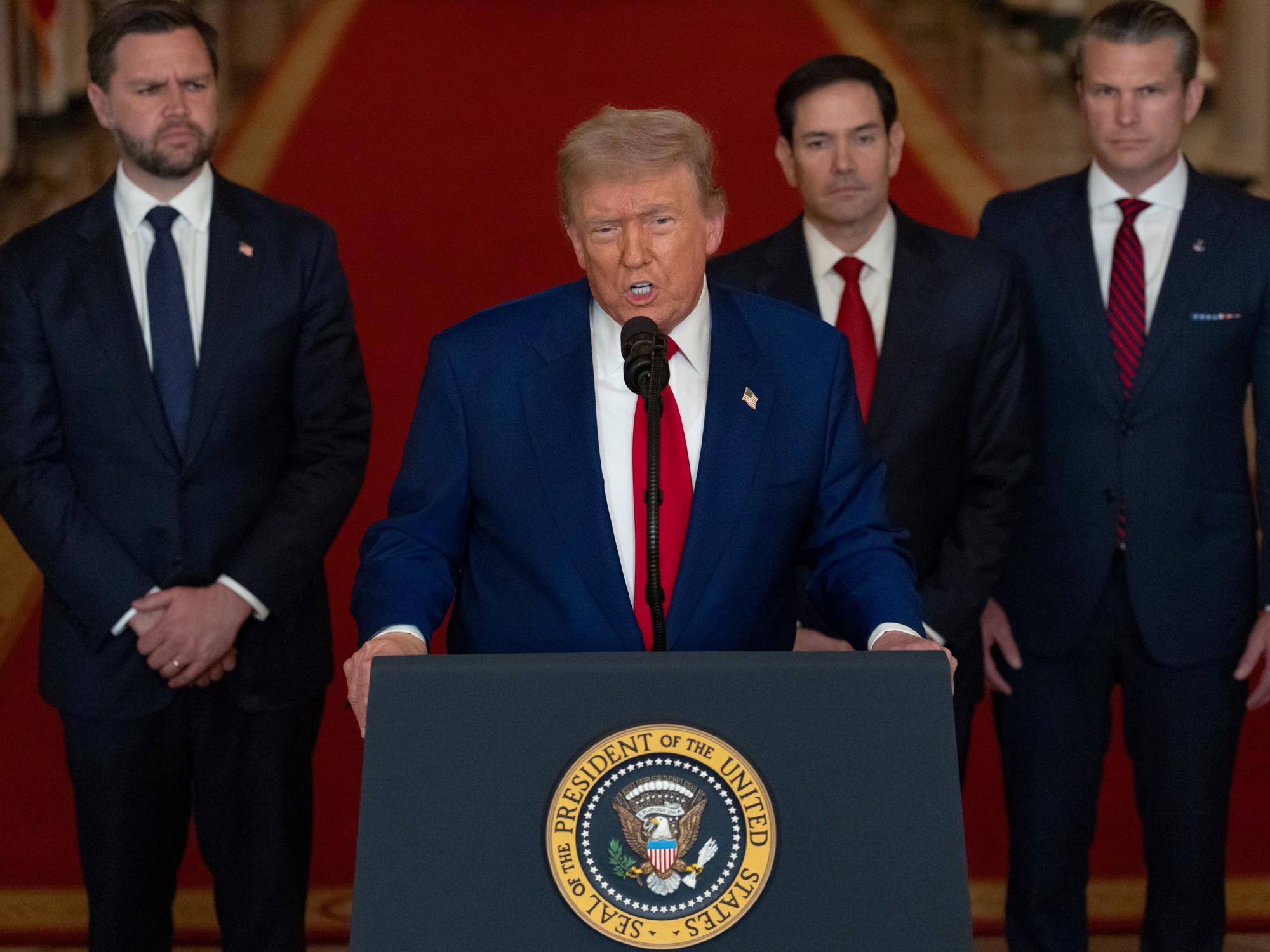
The recent escalation of military actions in the Middle East marks the beginning of a tense and uncertain chapter, as the United States has formally entered the fray between two of the region's most powerful military forces. The implications of this conflict are far-reaching, particularly for global energy markets.
Analysts indicate that the U.S. airstrikes, conducted just before the weekend, likely aimed to mitigate potential market fallout ahead of Monday’s trading, especially concerning oil prices. However, these aggressive measures are not expected to compel Iran to retreat, as such a retreat would signify the collapse of the Islamic Revolution led by Supreme Leader Ali Khamenei.
In anticipation of worsening conditions, Khamenei has reportedly begun considering potential successors, hinting at the gravity of the situation. Former President Donald Trump’s recent comments suggest that targeting figures like Khamenei could be imminent, which may further destabilize the leadership structure in Iran.
One of Iran’s most significant non-military strategies involves control over the Strait of Hormuz—a crucial maritime chokepoint. Should Iran decide to close this strait, it could severely disrupt global oil and liquefied gas supplies. The situation could escalate further if Houthi forces in Yemen launch missiles at oil tankers in the Red Sea, a scenario that has historical precedent given previous engagements with U.S. forces.
In light of these developments, experts predict that retaliatory strikes against U.S. interests are not only likely but will come swiftly. Iran understands that a victory in this conflict is unlikely but aims to ensure that the U.S. and Israel suffer substantial losses as well.
Despite the scale of the U.S. bombings, which included over 13 tons of munitions, the actual impact remains uncertain. Iran has claimed minimal damage, a statement that may downplay the strikes' effectiveness. Key targets included nuclear facilities at Fordow, Natanz, and Isfahan, but it is unclear if the strikes succeeded in damaging critical infrastructure.
Furthermore, the actual extent of Iran's nuclear ambitions remains a question, as the nation has consistently denied pursuing military nuclear capabilities. Nonetheless, with the current hostilities, there is a growing concern that Iran may accelerate its nuclear program, potentially with support from allies like North Korea. As the conflict unfolds, the U.S. is poised to become increasingly involved in what many anticipate will be a protracted war.
Source: www.clarin.com