AI's Impact on Typography: A Future of Challenges and Opportunities
By Editor • June 22, 2025 • 2 min read
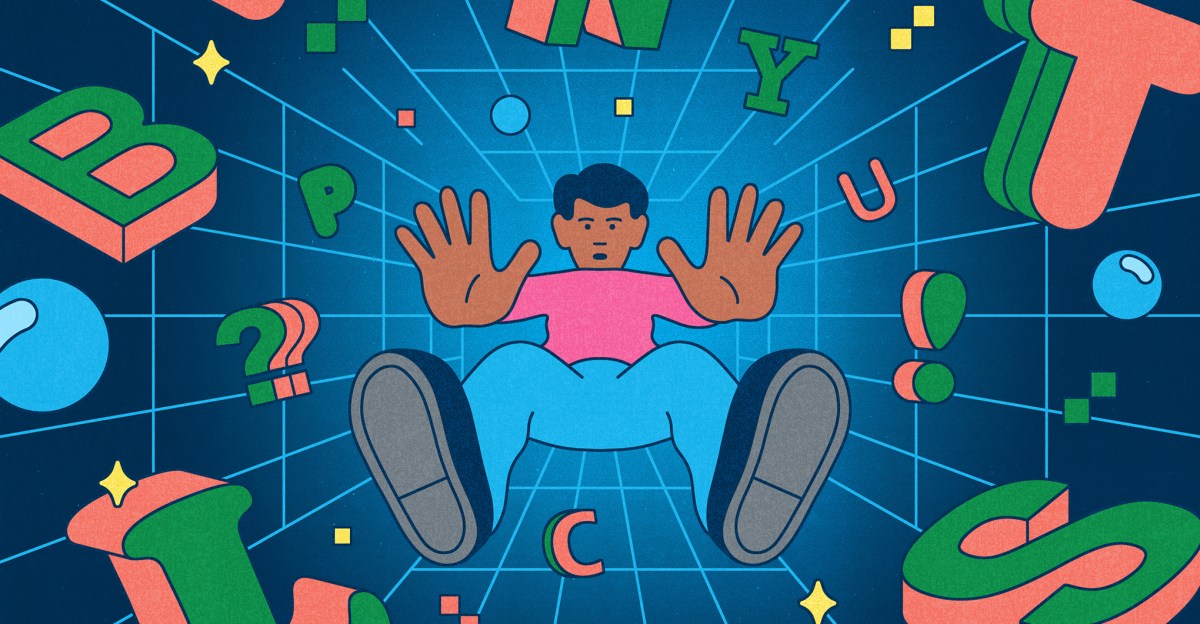
As artificial intelligence emerges as a pivotal force in the world of typography, Monotype, the titan behind iconic fonts like Helvetica, is at the forefront of this transformation. In its 2025 Re:Vision trends report, released in February, the company explores the potential for AI to revolutionize typography by creating adaptive text that responds to emotional cues and environmental conditions.
Monotype's insights suggest that typography could evolve to become more interactive, adjusting itself based on light levels, reading speeds, and even the attentiveness of the reader. This could mean typefaces that shift focus or change entirely throughout the day, making reading experiences more engaging. AI's promise extends to democratizing font design, enabling individuals without formal training to create typography through intelligent agents and chatbots. However, the exact implementation of these ideas remains uncertain.
Monotype's exploration is part of a broader trend where designers are increasingly leveraging tools like Midjourney and Replit in their workflows. While many creatives are excited about AI's potential, there is also a palpable skepticism among some typographers regarding the idea of optimizing creativity out of the design process. This tension echoes historical debates from the early 20th century when artists grappled with the implications of industrialization on art and design.
Charles Nix, Monotype’s senior executive creative director, emphasizes that the core goal is to connect people with the typography they need. He believes the current moment represents a unique opportunity in typographic history, akin to the transformative shifts brought by digital design. Yet, not everyone shares his enthusiasm; Zeynep Akay, creative director at Dalton Maag, expresses concerns about relinquishing creative control to AI. While she acknowledges the technology's potential to streamline repetitive tasks in type design, she questions whether AI can genuinely enhance the creative process.
Akay's skepticism is rooted in a fear that AI may ultimately undermine human creativity. She draws parallels to the dot-com bubble, suggesting that the current enthusiasm for AI might lead to overvaluation and eventual disillusionment if the technology fails to address real design needs. Nix, however, remains optimistic about AI's future role in typography, suggesting that its true potential may lie beyond immediate visibility.
Both Nix and Akay agree on one point: the landscape of typography is unlikely to undergo significant shifts in how fonts are sold and licensed. Companies like Monotype will likely continue to dominate, even as AI tools may be integrated into existing subscription models. However, the future remains speculative, as the industry navigates this uncharted territory, grappling with the implications of AI in design.
Source: www.theverge.com