A Transformative Pilgrimage Through the Sacred Trails of Mount Fuji
By Editor • August 18, 2026 • 3 min read
As I embarked on a journey through the ancient pilgrimage routes at the base of Mount Fuji, I was struck by the deep-rooted spirituality and rich cultural heritage that permeates this sacred land. Yasuhiko Ota, CEO of the Mount Fuji Trail Club and an experienced climber, emphasized the vital role local families play in safeguarding the region's traditions, particularly the Fujikō faith. This belief system, which blends elements of Shinto, esoteric Buddhism, and mountain worship, has faced significant decline since its peak in the 19th century, when thousands of Fujikō groups thrived. Now, the number of traditional oshi lodges has plummeted from 86 to just 14.
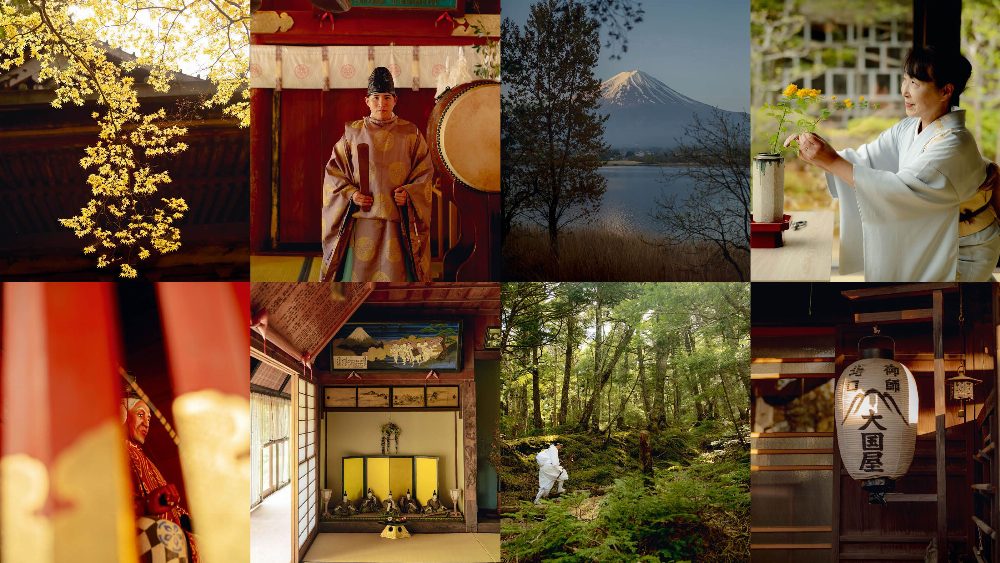
My pilgrimage began not in the bustling summer months but in the tranquil spring, aiming to connect with the spirituality of the mountain and escape the chaos of modern life. This unique experience was curated by Kammui, a travel specialist, and included not only hiking but also visits to significant Fujikō sites. Among them was Yoshida Tainai, a sacred cave believed to be the womb of the Mount Fuji goddess, and Daikokuya, a historic lodge where I met Taeko and Shinya Tanabe, who have been caretakers of the mountain's traditions for 19 generations.
Shinya’s cooking, composed of foraged ingredients and game, beautifully encapsulated their family's spiritual bond with Mount Fuji. He shared, "My cooking is an expression of the spirituality we find in nature," highlighting how each meal reflects a connection to the land. Alongside local guides, I was introduced to other custodians of Fujikō culture, including Shunji Katsumata, who guided us through the sacred landscapes.
On the day of the hike, Katsumata provided me with a gyoi jacket, traditional attire for pilgrims that signifies rebirth. We began our journey at Kikuyabo, an ancient lodge where we met Shinichi Akiyama, an 18th-generation priest. He performed a ritual by inking a woodblock that bore images of the mountain goddess, transferring auspicious symbols onto my robe. This practice is vital for ensuring a safe ascent, as climbing Mount Fuji carries inherent risks.
Our exploration continued as we visited the Joumonji family, where matriarch Tomoko presented us with a sweet wagashi, intricately designed to symbolize the beauty of spring. We concluded the day at Kitaguchi Hongu Fuji Sengen, a shrine entwined with both Shinto and Fujikō beliefs, where we participated in a prayer for safety and connection with the mountain's spirit.
The next morning began with a horseback ride through blooming Fuji cherries, a nod to the historical practices of pilgrims who often rode after covering long distances. Once we reached a certain elevation, we transitioned to hiking, with Katsumata encouraging us to focus on our inner thoughts as we walked through a torii gate that marked our entry into a more spiritual realm.
As we hiked up the ancient paths, I was reminded of the importance of this journey in reflecting on life amidst the overwhelming pace of modern society. Ota remarked, "This experience is a time when you can approach yourself and reflect on your life," an idea that resonated with me deeply. The trail led us through various stations, each offering unique views and insights into the flora and history of the mountain.
Our trek culminated at the fifth station, where the majestic peak of Mount Fuji finally emerged from the clouds, a sight that felt both rewarding and transformative. That evening, I indulged in a soak at the luxury retreat Gora Kadan Fuji, listening to the peaceful sounds of nature, reflecting upon the spiritual journey I had undertaken. This pilgrimage was not just a physical challenge but a deep dive into the rich tapestry of culture, spirituality, and connection to nature that Mount Fuji embodies.
Source: www.cntraveller.com