AI Art Meets Historical Context in San Francisco Exhibition
By Editor • August 20, 2026 • 2 min read
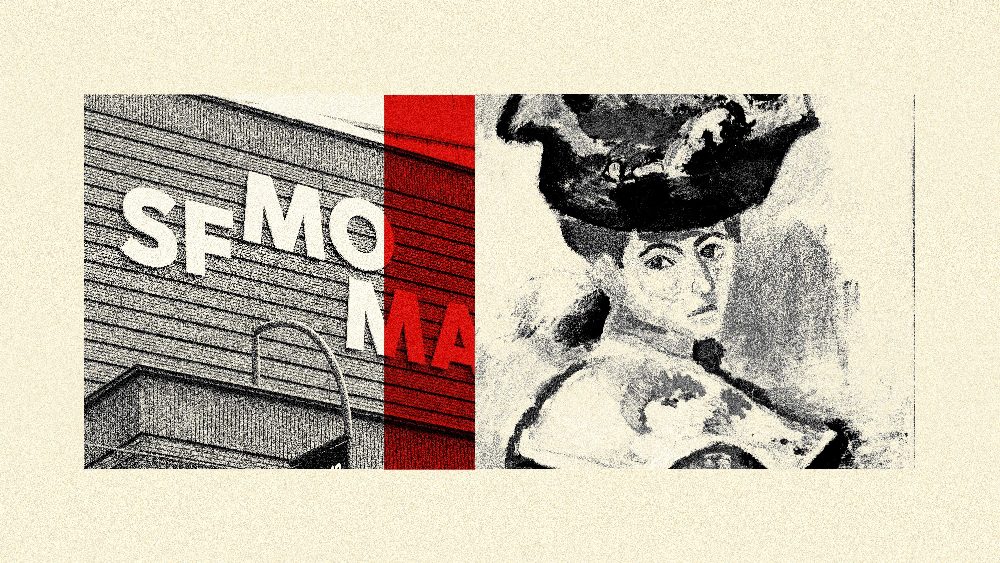
San Francisco's art scene is facing a controversial wave of technological influence as generative AI infiltrates local bulletin boards and gallery exhibitions. Many are noticing the rise of AI-generated posters promoting events like run clubs and taco stands, which raises questions about authenticity and the human touch in creative works.
In an attempt to escape this trend, one visitor turned to the San Francisco Museum of Modern Art, hoping for a refreshing experience at an exhibition dedicated to Henri Matisse and his fellow fauvists. Central to the exhibit was Matisse's groundbreaking painting, Femme au chapeau (1905), a work that famously shocked audiences with its unconventional use of color. A critic at the time famously remarked, "A pot of paint has just been thrown in the public’s face." This sentiment resonates today as the museum employs AI to enhance visitor experiences.
Upon entering the exhibition, the visitor found a mix of traditional artistry and modern technology. The museum, in collaboration with Google Arts & Culture, introduced AI features intended to immerse attendees in early 20th-century Paris. While the inclusion of historical wallpaper and animated projections of significant locales was warmly received, one AI-generated animation depicting Parisian streets felt more like a gimmick, detracting from the immersive experience.
Near the exhibit's exit, the visitor encountered another AI endeavor, where screens showcased Matisse's paintings reimagined through Google's video-generation technology, Veo. This transformation added depth to the original flat imagery, yet it sparked discomfort, as it seemed to move away from Matisse’s original intent of embracing color and flatness. Instead of being invited into the artwork, the viewer felt distanced by these AI interpretations.
Seeking clarity on the museum's approach, the visitor spoke with Janet Bishop, the museum's chief curator. Bishop explained that the goal was to recreate the ambiance of the 1905 Salon d’Automne, where Matisse’s painting first gained notoriety. The decision to incorporate AI was a result of extensive research and collaboration, aimed at providing a more dynamic visitor experience in a modern context.
Despite initial skepticism, the visitor’s conversation with Bishop revealed a thoughtful process behind the AI installations. The curator emphasized that the AI-generated elements were not merely quick fixes but were developed with historical accuracy in mind, aiming to transport visitors to a different time and place.
Bishop acknowledged the challenge of attracting younger audiences, noting that today’s visitors are accustomed to diverse forms of content. The integration of AI technology is seen as a way to bridge the gap between traditional art appreciation and contemporary engagement, especially given the museum's proximity to Silicon Valley.
As the exhibition continues, it serves as a battleground for the intersection of art and technology, prompting ongoing discussions about the future of creativity in an age of AI. Whether these innovations enhance or detract from the experience remains a topic of debate among art lovers, as they navigate the evolving landscape of artistic expression.
Source: www.theatlantic.com
#art exhibition #generative AI #Google Arts & Culture #Henri Matisse #San Francisco Museum of Modern Art