Biko Inquest Highlights South Africa's Struggle with Apartheid Legacy
By Editor • August 30, 2026 • 2 min read
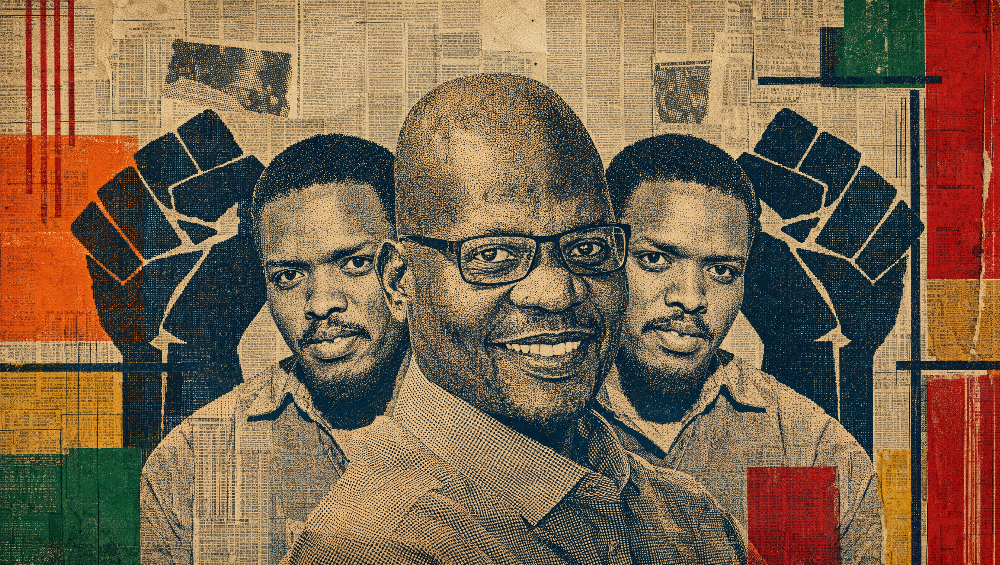
As South Africa nears the 49th anniversary of Steve Biko's tragic death, a deepening sense of collective amnesia regarding the nation's apartheid past is becoming evident. The recent inquest into the Black Consciousness leader's death has been marred by bureaucratic hurdles, raising concerns about the nation's commitment to confronting its historical injustices.
Just weeks ahead of the anniversary, Biko's widow, Ntsiki, found herself grappling with the state over funding for legal representation. Legal South Africa, the agency tasked with ensuring access to justice, shockingly deemed her ineligible for financial assistance. This cold, impersonal evaluation of her means echoed the treatment of those facing criminal charges, which disconcertingly trivialized the gravity of the inquiry into one of the country’s most iconic figures.
Fortunately, the situation changed when Minister of Justice and Constitutional Development Mmamoloko Kubayi intervened, directing her department to cover the costs. This decision came during a frustrating day of negotiations, underscoring the importance of governmental accountability in addressing the injustices of the past.
Judge Isaac Madondo, presiding over the inquest, expressed his disdain for the authorities' nonchalant approach to such a significant matter. Nkosinathi Biko, Steve Biko’s son, articulated the emotional toll of the day, describing the experience as “undignified” and revealing his conscious choice to keep his mother away from the distressing discussions.
The inquest, which stands in stark contrast to an apartheid-era ruling that dismissed Biko's death as merely an unfortunate incident, symbolizes a crucial moment in South Africa's quest for truth. However, the evasion of accountability suggests a troubling trend of minimizing the past's atrocities.
Moreover, ongoing investigations, such as the Khampepe Commission, which examines the suppression of prosecutions for apartheid-era crimes, highlight a disturbing legacy. Evidence suggests that some former liberation leaders may have made secret agreements with apartheid officials to protect each other, raising profound ethical questions about the post-apartheid justice landscape.
Former presidents Thabo Mbeki and Jacob Zuma, despite their historical rivalry, have united in legal battles to obstruct the Khampepe Commission's findings, indicating a desire to conceal uncomfortable truths about their past dealings. This irony not only complicates the nation’s healing process but also threatens the foundation of South Africa's democratic values.
Critics argue that the current ANC government has betrayed its commitment to justice and reconciliation, failing to fulfill the promises made during the Truth and Reconciliation Commission (TRC). The TRC was heralded globally as a model for post-conflict resolution, yet its principles now appear neglected within South Africa.
As societal anger continues to simmer in the absence of a thorough reckoning with the past, it becomes increasingly clear that without confronting these historical wounds, South Africa cannot hope to forge a peaceful and united future. The call for transparency and accountability remains urgent, as citizens seek to understand the full extent of both the apartheid regime's and the liberation movements' actions.
Source: www.dailymaverick.co.za
#Apartheid #inquest #Justice #Reconciliation #South Africa #Steve Biko