Cape Town's Golf Course Transformed into Data Centre Hub Amid Controversy
By Editor • August 24, 2026 • 2 min read
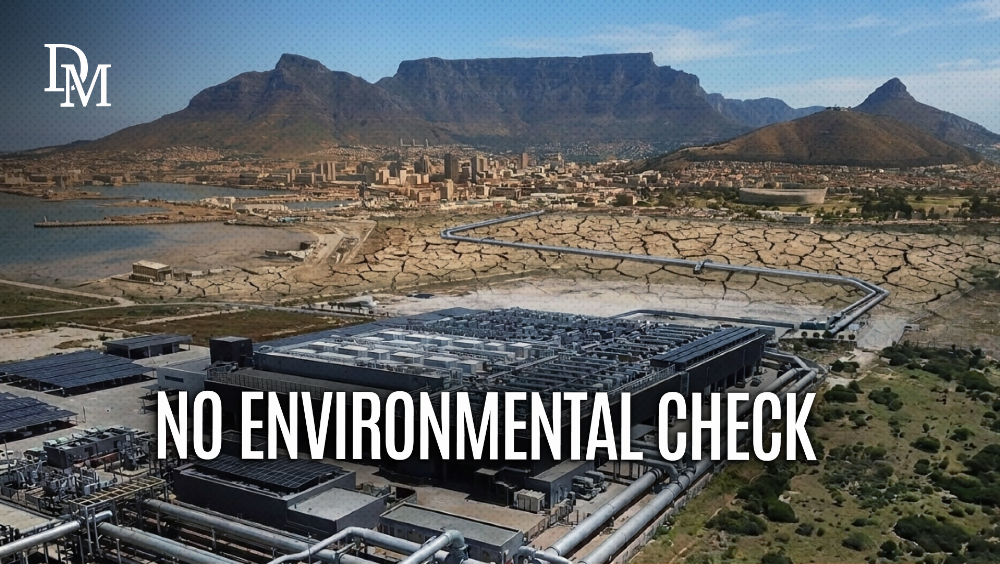
Cape Town is witnessing a significant transformation at the site of the former King David Golf Club, which is being converted into a R3-billion logistics hub set to host two major data centres operated by Equinix. This shift from greens to grids follows a dramatic decline in golf club membership, leading developers to seize the opportunity and reimagine the space.
As Cape Town grappled with severe water shortages during the Day Zero crisis, the golf course's water consumption of up to three million litres per day became unsustainable. Now, instead of a golf course, the area will house facilities that, while still demanding substantial resources, promise to be less thirsty for water.
On July 14, Cape Town's Municipal Planning Tribunal voted 4-1 in favor of granting land-use rights for Equinix, despite opposition from community groups and legal entities. This approval launches a complex commercial relationship involving the City of Cape Town, the developers, and Equinix, intricately linking land-use changes to the municipal power grid.
The deal includes a controversial land swap where the City transferred a small 280-square-metre parcel to the developer for R100. In return, the developer ceded a larger tract of land back to the City. This arrangement was necessary for the construction of a 240-megawatt electrical switching station, critical for powering the data centres.
The electrical demands of Equinix's facilities are substantial, comparable to that of a small municipality. The developer also paid R33-million in network charges to secure a robust grid connection, with upgrades to local infrastructure expected to finish by August 2028. This arrangement ensures that while a significant portion of the energy is dedicated to the data centres, the remaining supply bolsters the City's energy resources.
Interestingly, the reclassification of data centres as warehouses has raised eyebrows, with critics arguing that this mischaracterization underplays the environmental implications. A data centre, which operates continuously and consumes enormous resources, cannot be equated to a traditional warehouse with minimal energy needs.
Since the project’s inception in July 2019, it has undergone multiple planning amendments, seemingly avoiding a full environmental impact assessment. The concerns are further compounded by the necessity for backup power generation systems, which could necessitate diesel generators—potentially triggering stringent environmental regulations that the developers have sidestepped.
Legal challenges from groups like the Housing Assembly and the Legal Resources Centre emphasize the need for stringent oversight in granting land-use rights for such resource-intensive operations. As Cape Town continues to navigate this development, the question remains whether the rush to embrace technological advancement will overshadow critical environmental considerations.
Source: www.dailymaverick.co.za
#Cape Town #data centre #environmental impact #Equinix #land use