China's New Border Regulations Heighten Travel Restrictions for Citizens
By Editor • August 18, 2026 • 3 min read
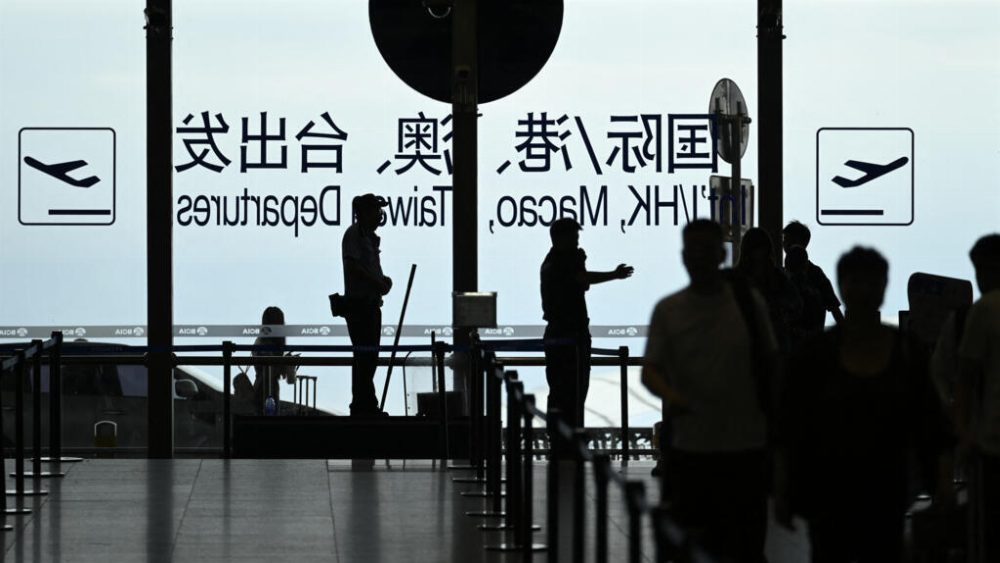
In a significant tightening of border controls, the Chinese government has announced new regulations aimed at increasing state oversight over its citizens' ability to travel abroad. Effective September 15, these rules introduce stricter checks and new criteria for imposing exit bans, which can last from six months to three years.
The regulations, revealed on July 31 by China's State Council, assert that officials can demand additional documentation from travelers, with the stated goal of preserving national sovereignty. Citizens found providing false information could face travel restrictions, and those involved in illegal entry or exit activities may encounter even harsher penalties.
Moreover, the regulations also extend to individuals who have participated in illegal acts or threatened national security while abroad. This raises concerns about the potential for broad interpretation and application of the rules, as individuals could be barred from leaving for actions that may fall under vague categories.
Legal experts and analysts have voiced concern over the implications of these regulations, suggesting that they formalize existing exit restrictions rather than expand state power. Henry Gao, a law professor at Singapore Management University, warned that these changes effectively transform the right to leave China into a privilege granted at the state's discretion. He urged citizens to consider departing while they still have the opportunity.
Christopher Nye and Charles Sun, policy analysts at the Jamestown Foundation, noted that the new rules enhance the authority of border officers to scrutinize travelers' stated reasons for leaving. They pointed out that the regulations provide a clearer legal basis for enforcement, which could lower the threshold for exit bans.
While the regulations stipulate that individuals facing such bans should be notified and informed of their appeal options, exceptions can be made for national security or criminal investigations, leaving many unaware of their status until they attempt to travel.
Experts have highlighted that these measures could further empower the Chinese government to exert influence over its citizens' activities abroad. The regulations may expand the reach of the state's jurisdiction over offenses committed outside its borders, potentially affecting citizens engaged in lawful activities abroad.
The impact of these measures extends beyond Chinese nationals, as foreign travelers may also face restrictions under the new rules. Foreign nationals could be barred from entering China for one to five years if they submit false information during visa applications or border entry. This particularly affects former Chinese citizens, as Beijing does not recognize dual nationality and may impose unique risks on them.
Amid increasing scrutiny on travel, the Taiwanese government has advised its citizens of heightened risks when travelling to China, citing the unpredictable nature of the Chinese legal system. Minister Chiu Chui-cheng emphasized that in China, rules are often subject to interpretation, making travel decisions increasingly precarious.
As these regulations come into force, the implications for personal freedom, legal rights, and international relations remain significant. The Chinese government’s growing grip on travel points to a broader trend of exerting control over its citizens' movements, raising alarms about the future of personal liberties in the country.
Source: www.france24.com
#border regulations #China #human rights #national security #travel restrictions