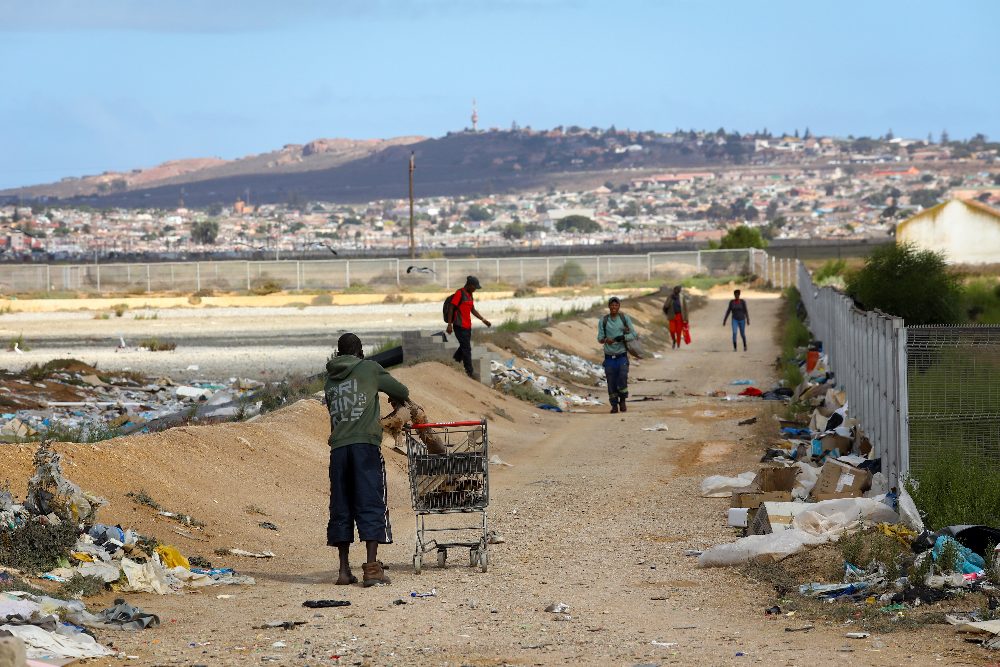
Coastal Fishers Unite to Protect African Penguins at Stony Point
By Editor • August 24, 2026 • 3 min read
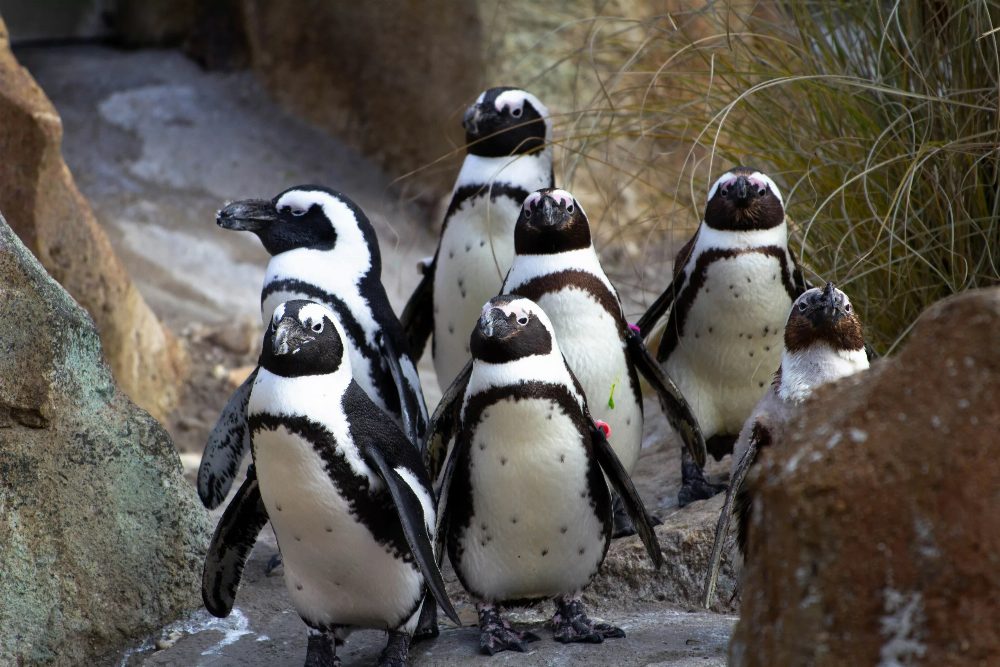
In Betty’s Bay, a fragile coexistence between African penguins and small-scale fishers underscores the urgent need to protect the local marine ecosystem. As fish stocks dwindle and the penguin population faces extinction, local fishing communities are stepping up efforts to safeguard the ocean that has sustained them for generations.
Aunty Miriam Smit, 74, recalls a vibrant childhood in Kleinmond, where her family thrived in a close-knit fishing community. However, the apartheid-era forced removals shattered that community, displacing many residents from their homes. “Life there was wonderful,” she reminisces, reflecting on the days when fishermen would set sail at dawn, and families would gather to help launch their boats.
Today, the situation is starkly different. The waters around Stony Point, once teeming with fish, have seen a dramatic decline, particularly in line fish species like snoek, which has been absent for seven years. Morne Yon, a local fisher, emphasizes the need to respect the sea, describing it as “a living force.”
Stony Point is not just a fishing site; it is also home to a unique colony of African penguins. Unfortunately, these iconic birds are classified as Critically Endangered by the IUCN, with predictions of extinction in the wild by 2035. The most recent survey revealed only 676 breeding pairs, a staggering drop from previous years.
The decline of African penguins is intricately linked to their food supply, which consists primarily of sardines and anchovies. Overfishing by large-scale purse-seine fisheries has significantly reduced these vital fish stocks, leaving penguins unable to adapt to alternative food sources. Conservation organizations such as SANCCOB and BirdLife South Africa have taken legal steps to enforce fishing closures around penguin breeding colonies, leading to the establishment of new no-fishing zones that cover over 90% of the penguins’ core foraging area.
However, conservationists stress that more needs to be done beyond breeding seasons, as young penguins venture into unprotected waters. The health of the penguin population serves as an indicator of the overall marine ecosystem, highlighting the interconnectedness of species and the fishing communities that rely on them.
Craig Smith, a marine specialist at WWF, notes that coastal communities are among the most marginalized in South Africa. To combat this, WWF initiated the Fisheries Conservation Project in Kleinmond, focusing on sustainable livelihoods that connect local fishers to the ocean. This initiative has led to successful ventures, such as the Mooi Uitsig community running On the Edge Restaurant, which thrives on the tourism generated by the penguin colony.
Empowering local residents is crucial; individuals like Relebohile Mbhele, who trained as an ecotourism guide through WWF programs, now lead nature tours that educate visitors about the region’s rich heritage while generating income.
Additionally, small-scale fishing cooperatives have gained fishing rights for the first time, and local fishers are now equipped with technology to monitor their catches and sell sustainably sourced fish. Marcelin Barry, a community conservation monitor, shares his journey from observing the sea to actively engaging with it through fishing and research efforts.
The collaboration between fishers and scientists is essential for future conservation efforts. By merging traditional knowledge with scientific research, both groups can work together to understand marine ecosystems better. WWF continues to facilitate dialogue among stakeholders, ensuring that everyone has a seat at the table to discuss the health of the ocean and the species that inhabit it.
Source: www.getaway.co.za
#African penguins #fishing communities #Kleinmond #marine conservation #WWF