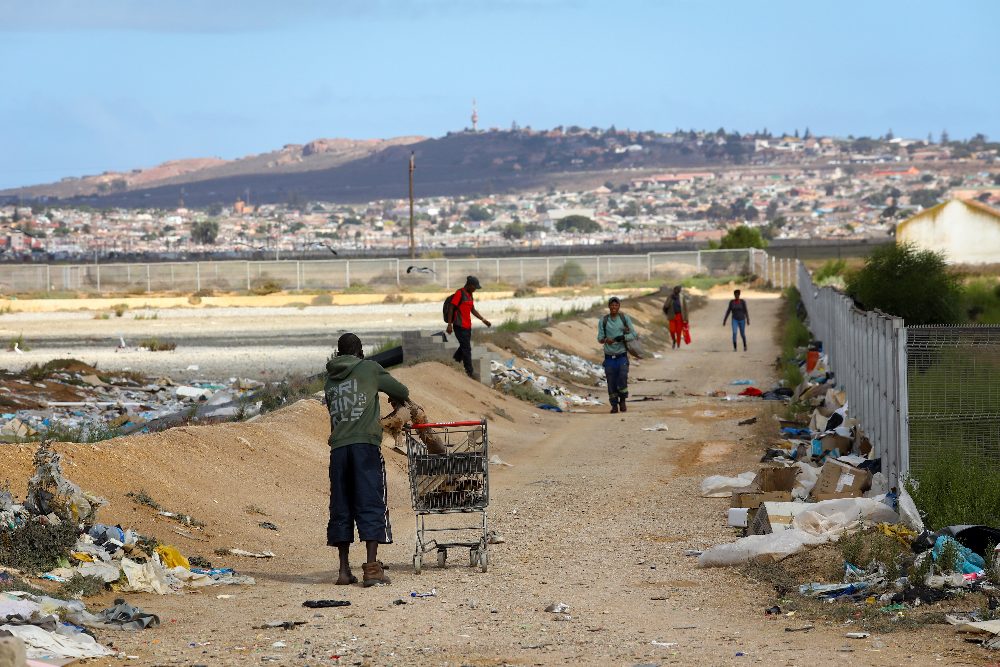
Cobalt Mining in the Congo: A Harrowing Exposé of Exploitation
By Editor • August 24, 2026 • 2 min read
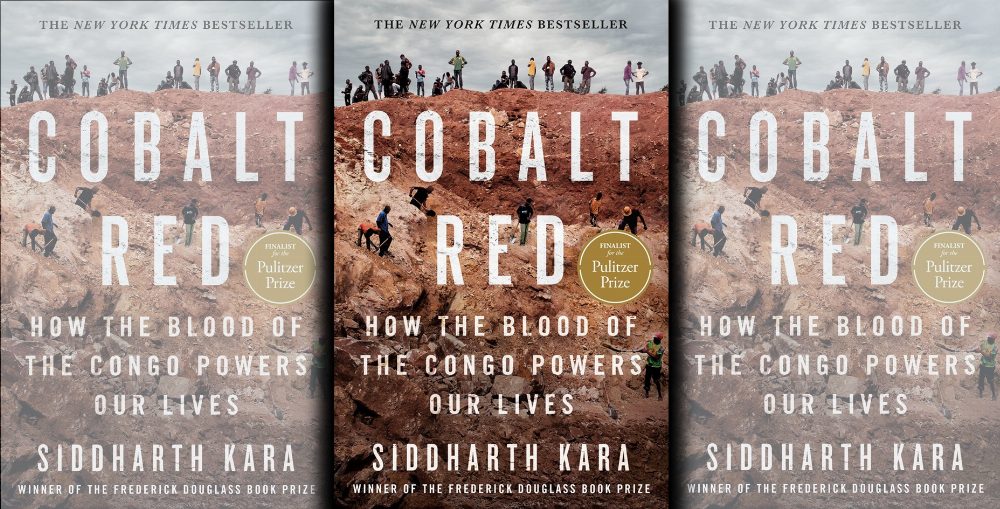
In his groundbreaking work, Cobalt Red, activist Siddharth Kara sheds light on the grim realities surrounding cobalt mining in the Democratic Republic of Congo (DRC). His investigation reveals the harrowing human toll and environmental devastation that underpin the global demand for this critical mineral, essential for lithium-ion batteries powering everything from smartphones to electric vehicles.
The DRC, particularly its Katanga region, is home to the world's richest cobalt reserves, surpassing the combined totals of all other regions. Yet, this wealth has become a double-edged sword, triggering a frantic race for extraction that echoes the colonial exploitation of the past. For centuries, foreign powers have exploited the DRC's vast resources, with the current cobalt frenzy reminiscent of King Leopold II’s brutal regime during the late 19th century.
While the catastrophic loss of life under Leopold's rule is well-documented, Kara emphasizes that modern cobalt mining still harbors grave dangers. Today, thousands die each year from mining accidents, toxic exposure, or environmental contamination—a stark reminder that the exploitation of the Congolese people persists. The veneer of modern civilization, with its proclaimed adherence to human rights, crumbles when faced with the reality of miners, often children, working in perilous conditions.
Corporations at the forefront of the tech revolution, such as Apple, Samsung, and Tesla, have adopted policies promising ethical sourcing and zero tolerance for child labor. However, as Kara's findings suggest, these commitments may be superficial. Despite corporate assurances of responsible practices, the situation on the ground in the DRC paints a different picture. Research reveals that the dire conditions of artisanal mining, where many miners toil under hazardous circumstances, remain largely unaddressed.
In the face of rising scrutiny, international coalitions like the Responsible Minerals Initiative and the Global Battery Alliance have emerged. These organizations aim to promote ethical sourcing and eliminate child and forced labor within the cobalt supply chain. Yet, Kara's firsthand experience in the DRC raises doubts about the efficacy of these programs. He reports a stark absence of visible change or corporate accountability, describing the environment as one of extreme predation for profit.
The irony is palpable: while global corporations thrive on the trillions generated from their products, the Congolese miners live in abject poverty, facing immense suffering and hazardous conditions. As forests are felled and communities destroyed in the name of resource extraction, the burden of our technological progress weighs heavily on the backs of those who extract the cobalt.
With Cobalt Red, Kara invites readers to confront the uncomfortable truth that our modern conveniences are built on a foundation of exploitation and environmental degradation. The book serves not only as a call to awareness but also as a demand for accountability from both corporations and consumers regarding the human and ecological costs of cobalt mining.
Source: www.dailymaverick.co.za
#Cobalt #Democratic Republic of Congo #human rights #mining #Siddharth Kara