College Life: A Shrinking Social Scene for Today's Students
By Editor • August 17, 2026 • 3 min read
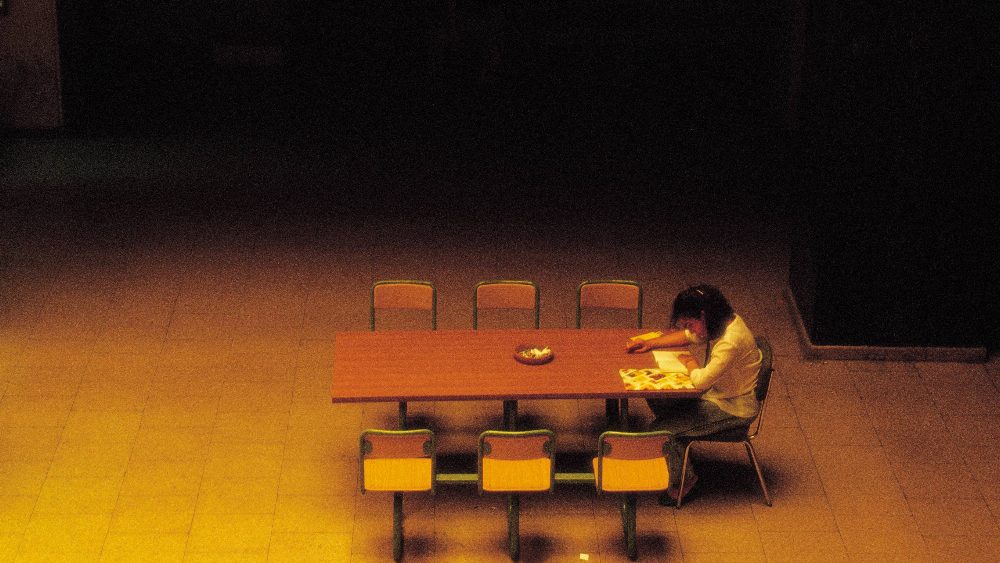
In an era traditionally defined by social exploration and camaraderie, college students across the U.S. are experiencing an unexpected shift towards isolation. Despite the long-standing reputation of campuses as vibrant social hubs, recent data reveals a concerning trend: students are spending significantly less time socializing compared to past generations.
According to an analysis by UCLA’s Higher Education Research Institute, the percentage of college seniors who dedicate more than six hours a week to partying plummeted from 32% in 1994 to just 21% by 2026. Similarly, the proportion of students engaging in face-to-face social interactions for over six hours weekly dropped from 74% to 65%. This decline is particularly alarming as first-year students report feeling increasingly isolated, with rates of frequent loneliness more than doubling over the past twenty years.
Interestingly, national surveys show that college students are reporting higher levels of loneliness than adults. The National Survey of Student Engagement indicates that students often have more positive interactions with professors than with their peers. A senior at MIT, involved in Greek life and athletics, expressed his feelings of isolation, noting he often eats alone despite actively seeking social interactions.
Experts suggest that the rise of smartphones and social media may be a significant factor contributing to this phenomenon. Daniel Eisenberg, a professor at UCLA, pointed out that as smartphones became ubiquitous in the 2010s, they may have replaced opportunities for face-to-face socializing, with many students feeling their social lives are inferior to the highlight reels observed on platforms like Instagram and TikTok.
Moreover, the nature of extracurricular activities has transformed, with many clubs now focusing more on enhancing resumes rather than fostering genuine social connections. Cat Moore, former director of belonging at the University of Southern California, noted that students are busier than ever with commitments that often prioritize networking over socializing, despite the availability of over 1,000 student clubs.
The lasting impacts of the COVID-19 pandemic have also played a critical role in shaping student interactions. Many current college students missed out on vital socialization experiences during their formative years, leading to what Ryan Patel from Ohio State University describes as stunted social development. Administrators are now faced with addressing challenges that typically arise during adolescence, such as navigating romantic relationships and even experiencing alcohol for the first time.
The pandemic not only affected students' social skills but also altered the academic landscape. The proportion of undergraduates enrolled in entirely remote courses surged from 15% to 24% from 2019 to 2024, limiting in-person interactions that traditionally occur on campus. A senior at MIT lamented that despite being in classes with friends, he often goes entire weeks without seeing them due to the prevalence of online lectures and exam-based grading.
While some argue that the increase in students identifying as lonely may reflect a shift in emotional awareness rather than a substantive change in their circumstances, Richard Weissbourd from Harvard’s Graduate School of Education confirms that the trend of loneliness among young people is genuine. He attributes this to a generation more adept at articulating their emotional states, which may lead them to view normal social desires as unusual.
In response to the rising loneliness, college administrators are seeking innovative solutions. For instance, Colgate University's president, Brian Casey, has initiated campus improvements aimed at enhancing student interactions, such as building new footpaths and common areas designed to encourage spontaneous meetings. While the situation remains complex, some signs suggest that loneliness among students may be beginning to decline, with recent studies indicating a slight drop in loneliness levels to pre-COVID figures.
Source: www.theatlantic.com
#college #COVID-19 #extracurricular activities #loneliness #social life